2026 Top PCB Test Pins Buying Guide for Global Sourcing?
As the electronics industry rapidly evolves, the demand for quality PCB test pins is on the rise. According to a recent report by ResearchAndMarkets, the global PCB market is projected to reach $90 billion by 2026, driven largely by advancements in technology and manufacturing processes. This trend highlights the critical role of reliable test pins in ensuring the functionality and durability of printed circuit boards.
In the quest for precision, manufacturers must evaluate various factors when sourcing PCB test pins. High-quality pins are essential for achieving accurate measurements and maintaining consistent performance across multiple applications. Moreover, recent studies indicate that up to 30% of production delays stem from inadequate testing equipment. This statistic underscores the importance of selecting the right test pins to avoid costly setbacks.
However, not all test pins are created equal. Sourcing decisions require careful consideration of material quality, compatibility, and durability. In an industry where seconds can determine success, subpar choices can lead to significant losses. Engaging with reputable suppliers and understanding the technical specifications of PCB test pins can profoundly impact overall production efficiency and product reliability. Ultimately, making informed decisions in this area is vital for sustaining competitive advantage in the electronics landscape.
2026 PCB Test Pins Market Overview and Trends Analysis
The PCB test pins market is poised for significant growth in 2026, driven by rising demand in the electronics sector. According to industry reports, the global market is expected to reach $500 million by 2026, with a compound annual growth rate (CAGR) of 7.5%. This trend reflects a shift towards more advanced testing technologies in PCB manufacturing. As devices become more complex, the need for precise and reliable testing solutions increases.
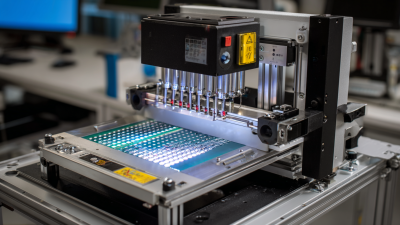
Emerging trends highlight the adoption of automation in PCB testing. Automated test equipment (ATE) is becoming essential, reducing human error and increasing testing efficiency. Reports indicate that nearly 30% of manufacturers are investing in automated solutions. This investment is crucial for meeting the strict quality standards in aerospace and medical industries. However, challenges remain. Many companies struggle with integrating new technologies into existing processes.
Sustainability is another critical aspect influencing the market. In 2026, nearly 20% of PCB test pins will likely be manufactured from eco-friendly materials. This shift aims to address environmental concerns while maintaining performance. Balancing cost and sustainability can be challenging for manufacturers. The industry must continue to innovate to meet these new demands effectively.
2026 Top PCB Test Pins Market Overview and Trends Analysis
| Category |
Market Share (%) |
Growth Rate (CAGR) |
Key Trends |
| Passive Test Pins |
35% |
5.2% |
Increased demand for high-density boards |
| Active Test Pins |
45% |
4.8% |
Growing trend in automated testing systems |
| Specialized Test Pins |
20% |
6.0% |
Customization for niche applications |
Key Factors Driving PCB Test Pins Demand in Global Sourcing
In the evolving landscape of global sourcing, the demand for PCB test pins has surged. Several key factors drive this momentum. The continuous advancement in electronic technology requires reliable testing solutions. As devices become more sophisticated, precision in testing becomes critical. Efficient PCB test pins ensure this precision, catering to various applications.
Moreover, the increase in electronic manufacturing worldwide significantly influences demand. Industries from automotive to consumer electronics are expanding. Each sector requires specialized test pins for quality assurance. As a result, companies are focusing on sourcing top-quality materials that can withstand rigorous testing environments. The push for sustainable practices also impacts sourcing decisions. Eco-friendly materials are gaining traction, providing a balance between performance and environmental responsibility.
However, challenges remain. The availability of quality suppliers can vary across regions. Some manufacturers may struggle to meet the stringent requirements set by industries. Poorly sourced test pins can lead to device failures, affecting overall reliability. It's essential for businesses to conduct thorough assessments before procurement. Establishing strong relationships with trusted suppliers can help mitigate these risks and ensure high testing standards.
Essential Specifications for Selecting PCB Test Pins in Manufacturing
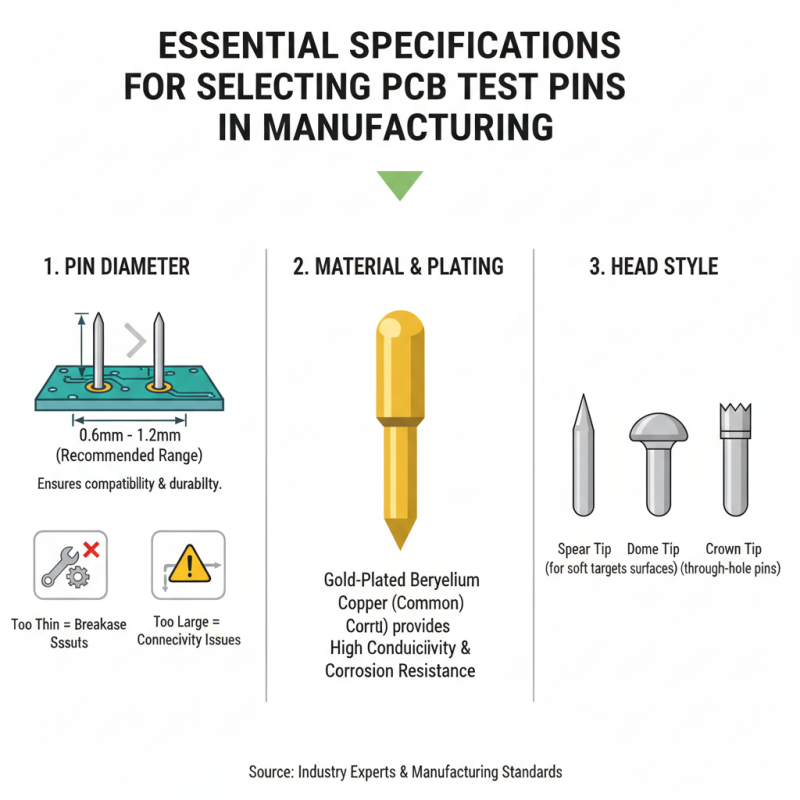
When selecting PCB test pins for manufacturing, several essential specifications are crucial. The diameter of the pin plays a vital role. Most industry experts recommend a diameter between 0.6mm and 1.2mm. This range ensures compatibility with standard testing equipment while maintaining durability during assembly. Choosing a pin that is too thin may lead to breakage, while a larger diameter can cause connectivity issues.
Material is another critical factor. Many manufacturers prefer pins made of stainless steel or beryllium copper. According to a report by IPC, over 75% of PCB manufacturers prioritize material quality to ensure reliability. The right material can enhance conductivity and resistance to corrosion. Yet, there are different grades of these materials. Understanding the specific environment in which the PCB will operate is important. It is not uncommon for manufacturers to overlook these details, leading to unexpected failures.
Pin height is also an important consideration. A standard height of 2.5mm to 3.5mm is frequently recommended. This allows for effective contact without excessive protrusion that complicates assembly. However, manufacturers sometimes underestimate the impact of mismatched heights in complex boards. This can lead to ineffective connections and testing inaccuracies. Inconsistencies in testing can result in costly rework or even product recalls, emphasizing the need for careful selection based on specifications.
Cost-Benefit Analysis of Different PCB Test Pins Options
When considering PCB test pins, the cost-benefit analysis is crucial. Different options come with varying price points and features. Analyzing durability, connection stability, and ease of use can provide valuable insights. Higher-quality materials typically lead to greater longevity and reliability. However, these come with increased initial costs. For budget-conscious organizations, balancing quality with expense can be challenging.
Many engineers find that cheaper options may save money upfront but can lead to higher long-term costs. Frequent replacements and maintenance add to overall expenses. In contrast, investing in premium test pins can enhance testing accuracy and reduce errors. This may yield cost savings over time. Users should evaluate both short-term and long-term impacts when making a choice. A thorough audit of all available options often reveals surprising insights.
Consulting industry experts can also be beneficial. Their experience can shed light on the performance of various test pins. Additionally, feedback from peers can highlight common pitfalls in purchasing decisions. Ultimately, understanding the nuanced differences among products is key. This approach supports informed and strategic sourcing decisions in the fast-evolving electronics sector.
Future Innovations in PCB Test Pins Technology for Enhanced Performance
The landscape of PCB test pins is evolving rapidly. Recent innovations focus on improving performance and reliability. Research indicates that the demand for high-performance test pins will increase by 20% over the next three years. This shift is driven by the rise in complex electronic devices.
New materials like copper-tungsten composites are being explored. These materials enhance conductivity while maintaining mechanical strength. Additionally, advancements in manufacturing technology are enabling finer pin geometries. This improvement leads to better contact and reduces signal integrity issues. A study found that finer pins can improve test accuracy by up to 15%.
While there is tremendous progress, challenges remain. The balance between cost and performance is still a concern for many manufacturers. Reducing defects while maintaining high-quality standards requires continuous innovation. Industry experts note that the transition to automated testing methods is crucial for keeping pace. Understanding these trends is vital for sourcing effective PCB test pins in an increasingly competitive market.
2026 PCB Test Pins Performance Analysis