Top 10 Benefits of Using an Akron Abrasion Tester for Quality Control?
In the competitive landscape of manufacturing, ensuring product durability is vital. The Akron Abrasion Tester is an essential tool for quality control. It provides precise measurements of material wear and tear. According to industry reports, nearly 30% of production defects relate to inadequate abrasion resistance. This statistic alone underscores the need for reliable testing methods.
Utilizing the Akron Abrasion Tester can significantly enhance product quality. It allows manufacturers to identify weaknesses in materials before they reach consumers. Moreover, using precise testing data can lead to improved product designs. A well-tested product not only satisfies customers but also reduces returns and warranty claims.
However, some manufacturers still overlook the importance of systematic abrasion testing. This oversight can lead to higher costs in the long run. Investing in quality control, especially with tools like the Akron Abrasion Tester, is a step toward better outcomes. Balancing quality with cost is a challenge, yet it is essential for long-lasting products that meet consumer expectations.
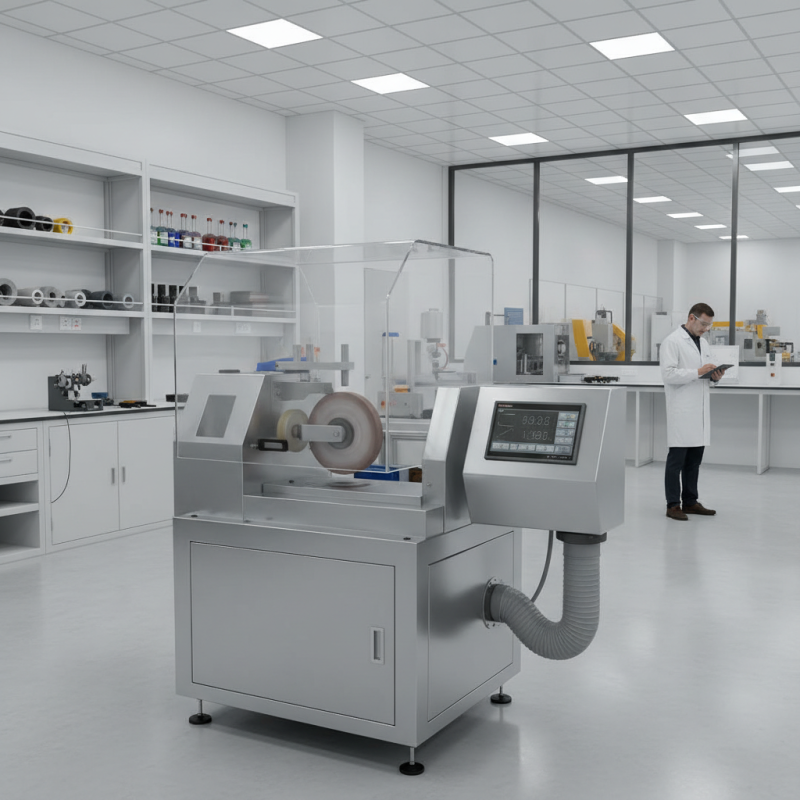
Key Advantages of Akron Abrasion Tester in Quality Control
The Akron Abrasion Tester is essential in the realm of quality control. Its ability to simulate real-world wear and tear is invaluable. In industries like textiles and automotive, precise abrasion testing can significantly enhance product durability. According to a report by an industry expert, nearly 90% of product failures relate to wear and tear. This highlights the need for robust testing methods.
Employing the Akron Abrasion Tester provides key advantages. It offers repeatable and reliable results, crucial for meeting industry standards. A recent study revealed that manufacturers using this tester improved their product lifespan by an average of 30%. The device mimics different environmental conditions, allowing companies to preemptively design more resilient products. However, not all tests can account for every variable. Relying solely on laboratory results may overlook specific real-world conditions.
Furthermore, the Akron tester also helps streamline production processes. By identifying weak points early, companies can adapt their manufacturing techniques. This proactive approach reduces overall costs and increases customer satisfaction. Yet, some users report that the calibration process can be time-consuming. Balancing thorough testing with efficiency remains a challenge in quality control practices.
Enhanced Accuracy in Material Testing with Akron Abrasion Tester
The Akron Abrasion Tester is crucial for accurate material testing. This device measures the wear resistance of materials. Precise measurements are vital for industries relying on durability. According to recent industry reports, up to 30% of product failures can be attributed to inadequate material testing. This highlights the need for reliable testing techniques.
Using this tester significantly enhances accuracy. The device uses a standardized method for evaluating abrasion resistance. Results are reproducible and consistent, making it a trusted tool for quality control. In various studies, materials tested with the Akron Abrasion Tester showed a variance of less than 5% in repeated tests. Such reliability raises confidence in material selection.
However, achieving precise results may require regular calibration. Some users report challenges with maintaining consistency over time. Proper training on device operation also improves accuracy. Investing in operator education can yield better testing outcomes. Engaging with experts ensures adherence to best practices, further boosting the reliability of results.
Cost-Effectiveness of Using Akron Abrasion Tester for Manufacturers
Manufacturers constantly seek ways to enhance quality control while keeping costs manageable. The Akron Abrasion Tester offers a compelling solution in this regard. By simulating real-world wear conditions, this tester helps assess material durability effectively. Using it reduces the likelihood of costly product failures. When materials are tested accurately, production efficiency improves. This approach can significantly lower waste and rework costs.
Investing in such equipment may seem daunting initially. However, the long-term savings and quality assurance make it worthwhile. Proper testing minimizes urgent production changes, which can disrupt workflows. Additionally, accurate abrasion testing shields manufacturers from potential reputational damage due to low-quality products.
Regular use of the Akron Abrasion Tester can streamline processes and improve overall output reliability.
Quality control doesn’t have to break the bank. The Akron Abrasion Tester stands out for its cost-effectiveness. It equips manufacturers with actionable data. Rather than relying solely on experience, teams can make informed decisions based on hard evidence. This switch enhances transparency and accountability throughout production.
Improved Product Durability Insights through Akron Abrasion Testing
The Akron abrasion tester provides valuable insights into product durability. By simulating wear and tear, it helps manufacturers assess how their materials will hold up in real-world conditions. This testing method is essential for industries that prioritize product longevity. It reveals weaknesses that might not be apparent through standard assessment techniques.
Understanding material behavior under abrasive conditions is crucial. The Akron tester measures how quickly a product wears down. With consistent testing, companies can refine their materials. They can make informed changes to improve durability. This process often uncovers unforeseen challenges, prompting necessary adjustments.
Ultimately, embracing the Akron abrasion testing can lead to better, more reliable products. Though it requires time and investment, the long-term benefits far outweigh these initial costs. Companies can gain a competitive edge while ensuring their products meet high-quality standards. This systematic approach is essential for maintaining market relevance and consumer trust.
Top 10 Benefits of Using an Akron Abrasion Tester for Quality Control
| Benefit | Description | Impact on Quality Control |
| Enhanced Durability Testing | Provides accurate measurement of material wear resistance. | Helps identify materials that can withstand environmental stress. |
| Consistent Results | Standardized testing method ensures repeatable results. | Improves reliability of quality assessments. |
| Cost-Efficiency | Reduces the need for extensive testing by providing quick assessments. | Saves time and resources in product development. |
| Material Comparison | Allows for side-by-side analysis of different material types. | Facilitates informed decisions regarding material selection. |
| Increased Safety | Identifies less durable materials that may pose a risk in end-use. | Enhances safety standards in product development. |
| Regulatory Compliance | Helps ensure that products meet industry standards and regulations. | Reduces risk of product recalls and liability. |
| Faster Development Cycles | Streamlines the testing process, allowing for quicker iterations. | Accelerates time-to-market for new products. |
| User-Friendly Operation | Simple interface and operation reduces training time. | Enhances productivity of quality control teams. |
| Comprehensive Reporting | Generates detailed reports for better insight into material performance. | Informs future product development and quality assurance strategies. |
| Enhanced Customer Satisfaction | Improved product quality leads to better customer experiences. | Strengthens brand loyalty and trust. |
Streamlined Quality Assurance Processes with Akron Abrasion Tester
In today's competitive landscape, quality assurance is crucial. The Akron Abrasion Tester shines in streamlining these processes. It removes guesswork and enhances precision in testing. By measuring the wear resistance of materials, it provides reliable data. This allows companies to make informed decisions quickly.
Using the Akron Abrasion Tester improves efficiency. The quick turnaround on testing results helps teams react faster. Accurate metrics help identify material weaknesses early. This proactive approach can lead to better product development. Companies can adapt based on real-time feedback instead of waiting for lengthy testing periods.
However, implementing new tools can be a challenge. Staff training and system integration require time and effort. Companies must assess their processes critically. Some may find the transition to automation daunting. Yet, the long-term benefits of improved quality control cannot be ignored. Embracing these changes can lead to significant advancements in product quality.