What Are the Benefits of WPC Wall Panels for Your Projects?
In recent years, WPC Wall Panels have emerged as a favored choice for both residential and commercial projects. These panels combine wood and plastic, offering a unique blend of aesthetics and durability. Many architects and builders appreciate their versatility and ease of installation. However, not all WPC products are created equal.
WPC Wall Panels provide substantial benefits that can enhance any project. They resist moisture, making them ideal for humid environments. Their lightweight nature simplifies transportation and handling on-site. Additionally, they can mimic the appearance of natural wood without the maintenance challenges. Yet, some users find their initial costs higher compared to traditional materials.
Understanding the various qualities of WPC Wall Panels is crucial. Not every project will benefit from them equally. Evaluating specific needs is essential for effective usage. Exploring different options in the WPC market can lead to better decisions. Ultimately, WPC Wall Panels offer promising benefits that deserve careful consideration in design and construction.
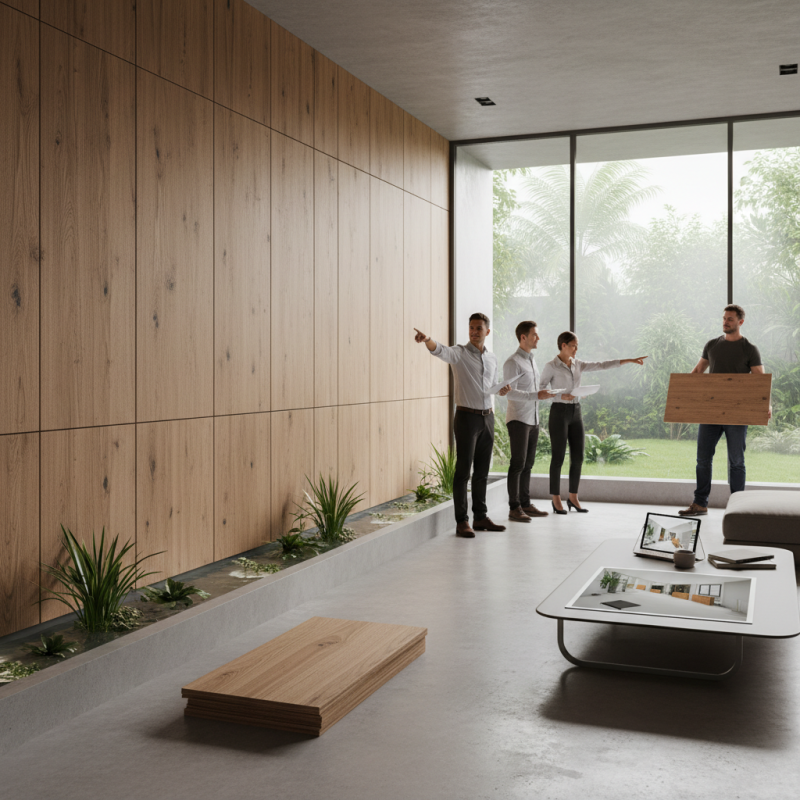
Benefits of WPC Wall Panels in Construction Projects
WPC wall panels have gained popularity in construction projects due to their unique benefits. They combine wood fibers and plastic, creating a product that is durable and versatile. According to a report by Research and Markets, the global WPC market is projected to grow at a CAGR of 11.6% from 2021 to 2026. This indicates a rising trust in WPC materials among builders and architects.
The environmental benefits of WPC panels are significant. They are often made from recycled materials, reducing waste in landfills. Additionally, WPC panels require less maintenance compared to traditional wood panels. They are resistant to moisture, insects, and warping, leading to longer-lasting installations. A study by Smithers Pira highlights that WPC can last over 25 years with proper care, making it an economical choice over time.
Tips: Consider the aesthetic aspects when choosing WPC panels. They come in various colors and textures. Test a few samples to see what fits your project best. Be mindful, though; not all WPC products perform equally. Research their manufacturing processes to ensure you’re getting a reliable product. Engage with professionals who have hands-on experience with WPC materials for insights on installation and performance.
Durability and Weather Resistance of WPC Materials
WPC wall panels offer exceptional durability and weather resistance, making them an ideal choice for various construction projects. These panels are made from a blend of wood fibers and plastic, creating a strong material that withstands harsh conditions. They resist rot, decay, and insect damage far better than traditional wood. This could save homeowners significant maintenance costs over time.
In environments with extreme weather, WPC materials shine. They do not warp or crack in the sun and can handle moisture without swelling. This resilience is crucial for outdoor applications, where exposure to rain, snow, or high humidity can be problematic. However, some users report that while installation is straightforward, achieving a perfect finish can require extra effort and attention to detail.
Another consideration is that while WPC panels are sturdy, they are not entirely impervious to the elements. Over time, fading can occur under intense sunlight. This is something that should be acknowledged when making long-term plans. It’s important to weigh these factors against the benefits to determine if WPC panels are the right fit for your needs.
Aesthetic Versatility: Design Options with WPC Wall Panels
WPC wall panels offer incredible aesthetic versatility, making them a popular choice for various projects. With the ability to mimic natural materials like wood and stone, these panels adapt seamlessly to different design themes. According to a report from Research and Markets, the WPC market is expected to reach a value of $11 billion by 2027, highlighting its growing popularity among designers and architects.
These panels are available in a range of colors, textures, and patterns, allowing for unique customization. For instance, homeowners can choose from a rustic finish for a cozy feel or a sleek, modern look for contemporary spaces. The options seem endless, which can feel overwhelming. Picking the right style for your project requires careful thought. Consider the overall ambiance and desired functionality when making your choice.
**Tip:** Always request samples before making a final decision. Visualize the panels in your space to ensure they align with your vision. Balancing aesthetics with practicality is crucial. While WPC panels are durable and low-maintenance, choosing the wrong design can lead to regret down the line. Reflect on the long-term impact of your selection.
Benefits of WPC Wall Panels
Sustainability and Environmental Impact of WPC Panels
WPC (Wood Plastic Composites) wall panels are gaining attention for their environmental benefits. Made from a blend of recycled wood and plastic, they offer a sustainable alternative to traditional materials. According to a report by the Environmental Protection Agency, WPC panels can significantly reduce waste. The use of recycled materials means less deforestation and decreased landfill usage.
WPC panels boast lower carbon emissions during production compared to conventional wood products. A study from the University of California found that WPC manufacturing emits 50% less CO2. This considerable reduction benefits the planet while providing durable solutions for construction projects. Moreover, WPC is recyclable, allowing for a circular economy approach.
However, challenges remain. Not all WPC products are created equal regarding sustainability. Some may contain harmful additives that can affect recyclability. It’s vital for consumers to seek certifications or reliable sources. Understanding these nuances can lead to better decision-making in project planning. Balancing sustainability with practicality can enhance overall project outcomes.
Cost-Effectiveness of WPC Wall Panels in Long-Term Projects
WPC (Wood-Plastic Composite) wall panels offer considerable cost-effectiveness for long-term projects. A recent industry report indicates that WPC panels can reduce installation costs by up to 40%. This reduction often comes from simplified installation processes and lower maintenance requirements. Over time, the durability of WPC panels decreases the need for frequent repairs, which leads to further savings.
Moreover, studies show that projects utilizing WPC materials often report a lifespan exceeding 25 years. This longevity makes them a wise investment, especially for commercial buildings or outdoor structures. In a cost analysis, it has been noted that while WPC panels might have a higher upfront cost than traditional materials, their long-term savings on maintenance can outpace initial investments.
However, it is essential to approach this material with a critical eye. Some users noted issues with discoloration or warping over time. While such drawbacks can be managed with proper care, they highlight the need for thorough research before selection. Understanding both benefits and potential challenges can lead to more informed decisions in project planning.
What Are the Benefits of WPC Wall Panels for Your Projects? - Cost-Effectiveness of WPC Wall Panels in Long-Term Projects
| Dimension | Description | Benefits | Long-term Savings ($) |
| Material Durability | WPC panels are resistant to moisture, rot, and pests. | Reduces maintenance costs and increases lifespan. | $500 |
| Installation Time | Quick and easy to install with less labor required. | Saves on labor costs and project duration. | $300 |
| Aesthetic Variety | Available in a range of finishes and colors. | Enhances decor and increases property value. | $200 |
| Eco-friendliness | Made from recycled materials and eco-friendly processes. | Appeals to environmentally conscious consumers. | $150 |
| Cost of Maintenance | Requires minimal upkeep compared to traditional options. | Lowers overall maintenance expenses. | $400 |