
Best Fiber Opening and Pillow Filling Machine in China?

Choosing the best Fiber Opening And Pillow Filling Machine in China depends on the material, production target, and finished pillow design. A compact workshop filling polyester fiber for standard cushions has different needs from a factory processing recycled blends at higher volumes. The right machine should open compressed fiber evenly, feed it consistently, and fill pillow shells without excessive clumping.

A useful comparison starts with practical details. Check the stated output range, compatible fiber types, filling accuracy, and adjustment options. Ask how operators clear blockages and access wear parts. If possible, request a material trial using your own fiber; a showroom demonstration may not reflect real production conditions. Ask for clear specifications, installation guidance, and a written list of included components. Small details matter.

So does after-sales support. Confirm spare-part availability, response times, and whether training is offered in a language your team understands. Inspect the control panel, hoses, and filling nozzle, not just the machine’s headline capacity. A higher output figure can look attractive, but it may not suit your floor space or staffing. There is no universal winner. Even careful research has limits: supplier data should be checked against a sample run and your actual operating requirements. This guide outlines the features and questions that can help buyers assess Chinese equipment with greater confidence.
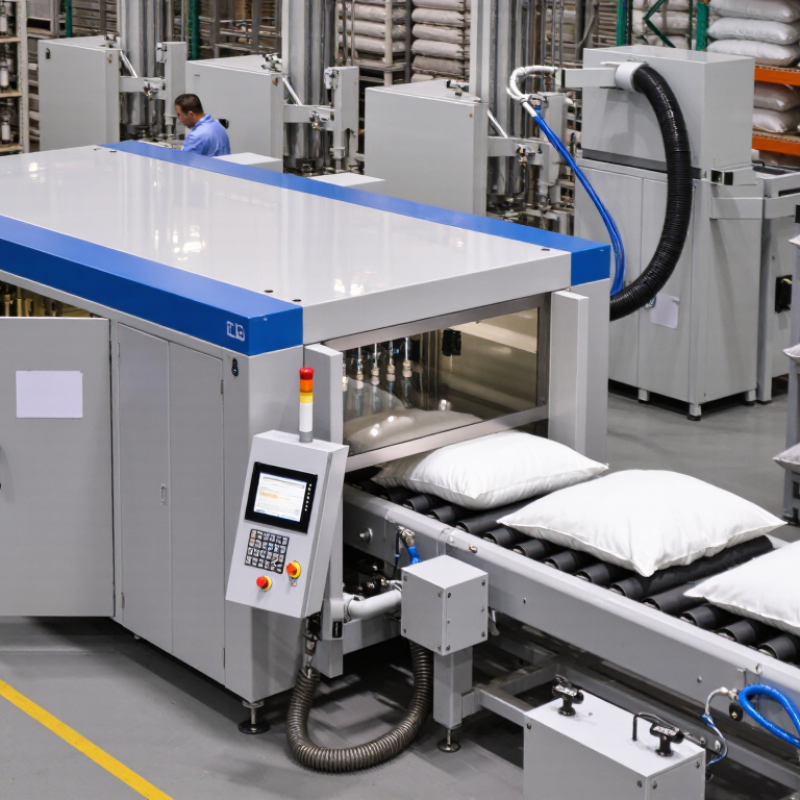
Best Fiber Opening and Pillow Filling Machine in China?

What Is a Fiber Opening and Pillow Filling Machine?

A fiber opening and pillow filling machine loosens compressed filling material and delivers it into pillow shells. Common materials include polyester fiber, recycled textile fiber, and some natural fillings, provided the equipment is designed for them. The opening section separates clumps using rollers or rotating teeth. Airflow then carries the loosened fiber through a hose to a filling nozzle. The operator places the nozzle at the pillow opening and controls how much material enters.

Machine layouts vary. Some combine opening and filling in one unit; others use separate stations. In practice, an operator checks fiber condition, feed rate, and nozzle position because uneven feeding can leave one side of a pillow flatter. A small test fill helps reveal problems before a larger run.

Not magic.

The finished pillow’s feel depends on more than the machine. Fiber type, fill weight, and how evenly the material is distributed all matter. Dust buildup and tangled fiber can affect airflow, so routine cleaning and inspection are important. Operators should follow the equipment manual and use appropriate safeguards around moving parts. There is a trade-off, too: faster feeding may reduce control over fill consistency. Even with careful setup, results can vary between fiber batches.

How Does the Machine Open Fiber and Fill Pillows?

A fiber opening and pillow filling machine turns compressed polyester fiber into a loose, airy material that can move through a filling tube. The operator places a measured amount of fiber into the feed area. A conveyor carries it toward rotating rollers or toothed drums, which pull apart compacted clumps. Gentle, repeated opening matters. Excessive force can shorten or damage some fibers, while too little may leave dense knots.

Once opened, the fiber moves toward the filling outlet by mechanical feeding or airflow, depending on the machine design. The operator guides the nozzle into a pillow shell and controls the feed so the filling spreads across the corners. Small adjustments help. Fiber type, moisture, feed rate, and pillow size can all affect the result, so settings that work for one batch may not suit the next. In practice, filling is not always perfectly even; checking pillow weight and feel during production can reveal problems early. The process needs attention. A clean feed path and regular inspection also help maintain steady output.

What Types of Fiber Opening and Filling Machines Are Available?

Fiber opening and pillow filling machines serve different stages. A bale opener loosens compressed fiber into manageable tufts, while a fine opener separates clumps further for more even blending. For reclaimed textile fibers, a garnetting or recycling opener can pull apart fabric scraps, though output quality depends heavily on the incoming material. Textile Exchange’s Materials Market Report 2024 estimates that global fiber production reached 124 million tonnes in 2023. That scale highlights why consistent fiber preparation matters, but it does not mean every workshop needs the same setup.

For pillow production, common options include manual-feed filling machines, weighing-and-filling systems, and multi-nozzle pneumatic fillers. Manual-feed models suit smaller runs; operators place fiber into a hopper and fill each shell by hand. Weighing systems meter a set quantity before delivery, helping keep pillow weight more consistent. Multi-nozzle machines can fill several chambers or products in sequence. Look for adjustable airflow, accessible cleaning points, and dust extraction around the feed area. Small details matter. Fiber can bridge in a hopper, and recycled blends may behave unpredictably. I would not choose by headline speed alone; test the actual fiber blend and pillow size before deciding.

How to Evaluate Fiber Opening and Pillow Filling Machines in China

Choosing a fiber opening and pillow filling machine in China requires more than comparing advertised output. Start with the material you actually process: polyester staple fiber, recycled filling, or blended fiber can behave differently. Ask suppliers to run a sample batch, then inspect whether clumps remain and whether the opened fiber feels even. Small details matter.

Measure output under working conditions, not just in a demonstration. Record kilograms per hour, filling time per pillow, and the variation in finished weight. A reliable filling system should let operators adjust airflow or feed settings without constant guesswork. Check dust collection, guards, emergency stops, and the space needed for cleaning. Ask how often wear parts need replacement, and whether routine maintenance can be done with tools available at your facility.

Do not judge a machine by speed alone. Excessive airflow may scatter light fibers, while poor feeding can leave pillows uneven. Request a trial using your own fabric shells and target fill weights. Keep the results, including any failed runs; they reveal more than a polished sales sheet. One limitation is easy to overlook: test conditions may not match a busy production shift, so confirm performance over a longer run before deciding.

Which Features Matter When Choosing a Machine for Your Production Needs?

Best Fiber Opening and Pillow Filling Machine in China?

Choosing a fiber opening and pillow filling machine starts with the material you actually process. Hollow polyester, reclaimed fiber, and mixed blends can behave differently in the hopper. Ask for a trial using your own fiber, then inspect whether the output feels evenly opened or still contains dense clumps. Small details matter. Check the working width, feed control, and rated output against your daily production, not only a supplier’s peak figure. A machine that runs smoothly for a short demonstration may struggle during a full shift.

For pillow filling, look closely at dosing consistency, nozzle access, and how easily operators can change pillow sizes. A foot pedal or simple control panel can reduce awkward handling when workers are holding an open shell. Not just speed. Ask how often screens, belts, and air passages need cleaning, and whether routine maintenance requires special tools. Dust collection and guards also deserve attention, since they affect the workspace and daily operation. A polished specification sheet is useful, but it cannot answer every question. It is easy to overvalue capacity and overlook the space needed for fiber storage, operator movement, and finished pillows. Check those conditions before deciding.

Best Fiber Opening and Pillow Filling Machine in China? - Which Features Matter When Choosing a Machine for Your Production Needs?

Machine configuration Main function Suitable production needs Potential advantages Points to check
Single-stage fiber opener Separates and loosens compacted fiber using a feed system and opening components. Small or moderate production runs, or operations that already have downstream filling equipment. A relatively straightforward setup; can be appropriate when the incoming fiber is already reasonably uniform. Confirm that the opening action suits the fiber length and material. Ask how feed rate and cleaning access are managed.
Multi-stage opening line Uses multiple opening stages to progressively loosen and distribute fiber before the next process. Higher-volume production or applications where consistent fiber preparation is important. Allows opening to be divided across stages; line configuration can be matched to the material and production flow. Check the full line layout, transfer points, dust-control provisions, maintenance access, and compatibility with downstream equipment.
Fiber opener with pillow filling station Opens fiber and conveys or feeds it to a station that fills pillow shells or other suitable products. Pillow production that needs fiber preparation and filling within one connected workflow. Can reduce manual handling between opening and filling when the equipment is properly integrated. Verify fill-weight control, operator access, shell-opening method, filling nozzle suitability, and changeover requirements.
Standalone pillow filling machine Feeds prepared loose fiber into pillow shells; it may be paired with a separate opener. Facilities that already prepare fiber or need to upgrade filling without replacing the opening process. Can be integrated into an existing production line and selected around the required filling method. Check whether the machine requires pre-opened fiber, how filling consistency is adjusted, and whether it suits the pillow sizes produced.

Selection note: Actual output and filling consistency depend on the fiber type, fiber condition, feed consistency, machine configuration, and operating settings. Before purchase, request a trial using your own material and confirm electrical requirements, guarding, dust management, spare parts, and cleaning procedures.

Go to Top