What Are the Best IC Test Socket Types in 2026?
Choosing the right IC test socket in 2026 is less about finding a universal winner and more about matching the socket to the device, test conditions, and production plan. A fine-pitch logic package may need a different contact structure from a high-current power device. Even small details matter: pin pitch, contact resistance, signal frequency, operating temperature, and the number of insertion cycles expected.
Common options include spring-pin, cantilever, elastomeric, and membrane sockets. Each makes different trade-offs in contact force, electrical performance, service life, and handling. Some are easier to replace or adapt; others may suit demanding signal or package requirements. There is no shortcut. A socket that performs well on a laboratory bench may behave differently after repeated loading or under production temperatures.
This guide compares the main ic test socket types and explains where each may fit. It also outlines practical selection criteria, from package compatibility to maintenance and total cost of ownership. Engineers should verify specifications against the device datasheet and confirm performance with representative testing. That step can reveal issues that a catalog description misses. One caution: published cycle-life figures do not always reflect a specific test setup. The best choice is the one validated for your actual device, tester, and workflow—not simply the newest design.
What an IC Test Socket Is and How It Works
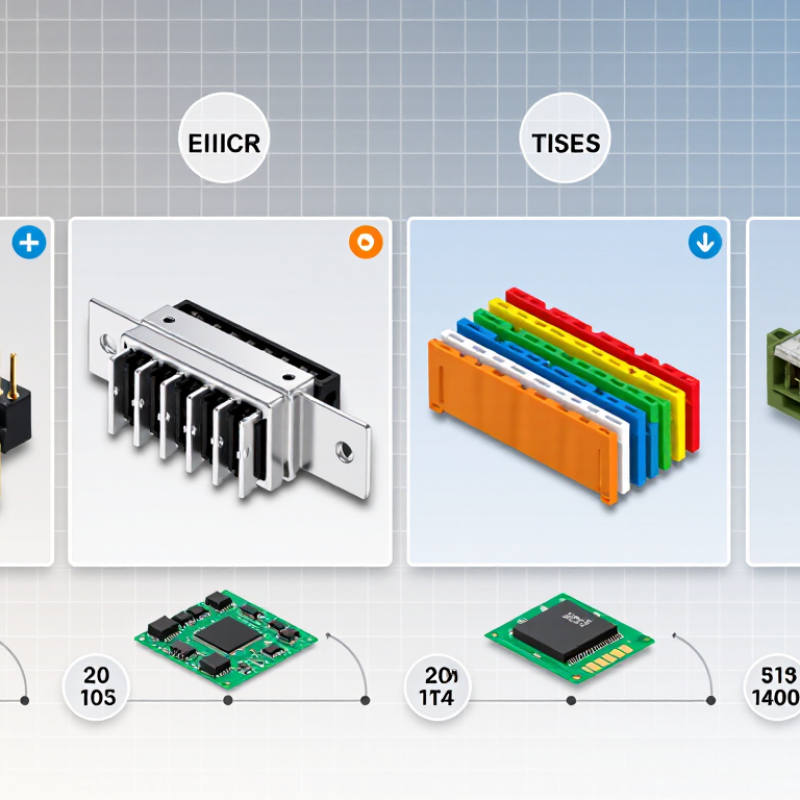
An IC test socket is a removable electrical interface between a semiconductor device and test equipment. The chip sits in a shaped cavity, where contacts align with its package terminals. Inside the socket, spring probes or compliant contacts press against those terminals. The pressure creates temporary electrical paths without permanently attaching the chip to a circuit board.
The tester sends power and carefully timed signals through those paths, then measures the device’s responses. A test board routes the signals between the socket and the tester. It is not magic. A contact that is slightly misaligned, worn, or contaminated can produce unstable readings. In practice, engineers check contact resistance and inspect the socket when results become inconsistent.
Sockets also hold the device steady during testing, which may involve repeated insertions or changing temperatures. Their contact layout must match the package, while their materials and mechanics must suit the test conditions. A useful socket is not simply one that conducts electricity; it must do so reliably across many cycles. That sounds straightforward, but small differences in contact force can matter, and no socket stays ideal forever.
Key Design Features That Distinguish IC Test Socket Types
What Are the Best IC Test Socket Types in 2026?
Key Design Features That Distinguish IC Test Socket Types
The best socket depends on the device, test speed, and production volume. Spring-pin sockets use individual compliant contacts, making them practical for repeated insertion and varied package layouts. Cantilever sockets use angled metal contacts and can suit fine-pitch devices, but contact wear and alignment need close attention. Elastomer sockets press conductive paths against package pads. They offer many contact points with modest force, though compression and temperature can affect consistency.
Tips: Check contact resistance, pitch, and rated cycle life. Confirm the socket’s thermal range matches your test conditions. A few degrees matter.
For high-speed testing, inspect the electrical path, not just the contact material. Short, well-controlled paths can help limit parasitic effects. Also review replaceable parts, cleaning access, and clamping force; these details influence uptime and device handling. Ask for data measured with a package like yours. Then validate it on the actual tester. Specifications rarely tell the whole story, and I would not treat one successful bench test as proof of long-term reliability. A small pilot run can expose uneven contact marks or rising resistance before they become costly.
Major IC Test Socket Types Used in 2026
What Are the Best IC Test Socket Types in 2026?
Major IC Test Socket Types Used in 2026
IC test sockets connect packaged chips to test equipment without permanently soldering them to a board. The right type depends on package shape, contact pitch, test frequency, and the number of insertion cycles expected. Common options include spring-probe, elastomeric, and cantilever sockets. There is no universal winner.
Spring-probe sockets use small, spring-loaded contacts to press against package pads or balls. They suit many development and production tests, but worn or contaminated probes can cause unstable readings. Elastomeric sockets use conductive particles or wires within a compliant material. They can provide many contacts in a compact area, though compression and alignment must be controlled carefully. That matters.
Cantilever sockets use angled metal contacts, often for devices with leads around the package edge. They are mechanically straightforward, but contact force and lead wear deserve attention. For fine-pitch or high-speed devices, engineers should also check signal integrity, thermal conditions, and cleaning access. A socket that works well on a bench may behave differently after thousands of insertions. That is easy to overlook. Compare contact resistance, replacement needs, and package tolerances using the actual test setup, not a generic specification alone.
How to Compare Sockets for Different Test Requirements
What Are the Best IC Test Socket Types in 2026?
How to Compare Sockets for Different Test Requirements
Compare socket types against the actual test envelope, not a catalog headline. Spring-probe sockets suit many production handlers because pins can be replaced and accommodate some package variation. Elastomer sockets can support fine-pitch, low-inductance contact, but compression uniformity and aging need validation. MEMS contacts may suit very fine pitches and high parallelism, though repairability and cost can be harder. For RF, high-current, or hot-temperature tests, verify bandwidth, current rating, contact resistance, and thermal stability under operating conditions. Small details matter.
Use the same package, board layout, and test temperature when comparing samples. Check contact-resistance drift across repeated insertions, not just first-touch readings. A socket that performs well at room temperature may struggle after thermal cycling. The Semiconductor Industry Association reported 2024 global chip sales of $627.6 billion, up 19.1% year over year, in its February 2025 release. This is useful market context, not evidence that one socket type performs best. There is no clean universal ranking; that is easy to overlook.
Tips: Request test data for your package and operating conditions. Ask how many insertion cycles were tested, and inspect the fixture for uneven contact. A comparison table can still miss a weak setup.
Selection Factors for Choosing an IC Test Socket in 2026
What Are the Best IC Test Socket Types in 2026?
Selection Factors for Choosing an IC Test Socket in 2026
The best socket depends on the device, test conditions, and required service life. Pogo-pin sockets suit many production tests because they offer replaceable contacts and reliable compression. Elastomer sockets can support fine-pitch packages and reduce contact force, but need careful alignment. For high-frequency testing, check signal integrity across the full operating bandwidth—not just the socket’s headline rating. WSTS reported global semiconductor sales of $627.6 billion in 2024, up 19.1% from 2023. That growth reflects a broadening test workload, not a guarantee that one socket design fits every application.
Compare contact resistance, pitch, insertion force, thermal range, and rated mating cycles against your actual test plan. A package with tiny, closely spaced pads may favor a fine-pitch contact system; a hot test environment makes material stability and heat transfer more important. Ask suppliers for measured data under conditions close to yours, including repeated-cycle results. A perfect specification sheet can still hide alignment problems. It happens.
Tips: Test sample sockets with real devices before committing. Log contact resistance and failures over several thousand insertions. Also check whether worn contacts can be replaced without changing the fixture. Slightly inconvenient, but useful.
What Are the Best IC Test Socket Types in 2026?
Compare common socket types by their typical fit for key test requirements. Scores are qualitative guidance, not measured performance; actual suitability depends on the socket design, package, and test conditions.
Selection factors: fine-pitch or high-pin-count packages, high-frequency testing, high-current testing, and frequent device changes. Scale: 1 = less typical fit; 5 = strong typical fit. Confirm contact resistance, bandwidth, current capacity, thermal limits, and cycle life with the socket specification.