China Best Pogo Pin Receptacle Manufacturer?
Choosing the right China best pogo pin receptacle manufacturer requires more than comparing prices. It demands careful attention to engineering experience, production control, and communication quality. A reliable supplier should understand how pogo pin receptacle components perform inside charging docks, test fixtures, medical devices, and compact industrial equipment.
The evaluation should begin with practical details. Check the contact material, plating thickness, spring force, stroke, operating temperature, and expected mating cycles. Ask for drawings, tolerance data, inspection records, and sample testing results. A professional manufacturer can explain why gold plating suits one application, while another design may require different surface protection. Factory capability matters too. Automated assembly, incoming material inspection, and controlled testing can reduce inconsistent contact resistance.
Look closely.
Experience is often visible in small details, such as clean machining, stable spring movement, and accurate packaging. However, no supplier is perfect. Product samples may perform well, while large-batch consistency still needs verification. That is why an honest purchasing process should include pilot orders, electrical testing, and feedback from real operating conditions. Certifications can support credibility, but they should not replace independent quality checks. This guide will examine manufacturer qualifications, customization support, pricing factors, quality assurance, delivery performance, and after-sales service. It will also consider common selection mistakes, because the lowest quotation may create higher replacement costs later. Reliability is built gradually, not promised in one email.

What Is a Pogo Pin Receptacle?
What Is a Pogo Pin Receptacle?
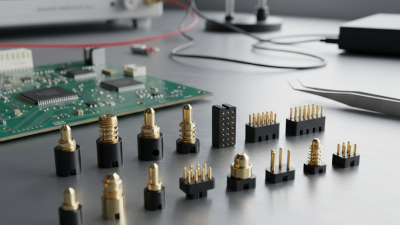
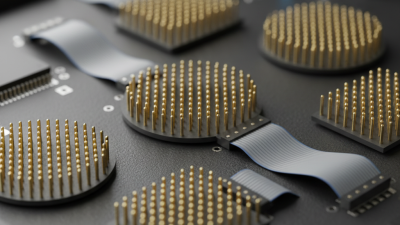
A pogo pin receptacle is a small socket that receives a spring-loaded pogo pin. It creates a temporary electrical and mechanical connection between two devices. Inside the receptacle, a conductive sleeve guides the pin and maintains contact during compression. This design supports repeated mating without soldering wires each time. You may find receptacles in charging docks, test fixtures, battery contacts, and compact electronic modules.
The receptacle’s size, plating, contact force, and mounting style affect reliability. A tight fit can improve stability, but excessive force may increase wear. A loose fit may cause signal interruption or unwanted movement. In practical assembly work, alignment often matters as much as material selection. Even a high-quality contact can fail when the pin enters at an angle. I have seen small housing tolerances create larger problems during vibration testing. No design is perfect, so real testing remains necessary.
Tips: Check the pin diameter first. Confirm the required stroke and working current. Keep dust away from the contact area. Test mating cycles before production. A simple fixture can reveal alignment issues early. Supplier documentation should include dimensional tolerances, electrical ratings, and inspection methods. Be cautious with attractive specifications; actual performance depends on the complete assembly, not one component alone.
How to Evaluate Chinese Pogo Pin Receptacle Manufacturers
China Best Pogo Pin Receptacle Manufacturer?
How to Evaluate Chinese Pogo Pin Receptacle Manufacturers
Choosing the best Chinese manufacturer requires more than comparing unit prices. In practical sourcing work, I examine samples before reviewing large quotations. A reliable receptacle should maintain stable contact force after repeated compression. Check plating thickness, spring material, housing tolerance, and working temperature. Ask for drawings with tolerances, not only attractive product photos.
Request a sample batch from the same production line used for mass orders. Measure pin travel with a digital caliper. Test contact resistance before and after cycling. A useful trial may include thousands of compressions, vibration exposure, and soldering temperature checks. The supplier should explain its inspection equipment and sampling standards clearly. Factory videos are helpful, but they are not proof.
Communication reveals technical competence. Engineers should answer questions about current rating, mating cycles, surface treatment, and custom tooling. They should also identify design risks instead of promising everything. Verify material certificates, process records, and traceability documents when your application requires them. Independent testing can add confidence for demanding assemblies. It costs more, sometimes unnecessarily, but one hidden defect can cost far more. I have found that delivery consistency deserves equal attention. A perfect prototype means little if later batches change dimensions. Ask for a corrective-action process and realistic lead times. No evaluation is perfect. Leave room for rechecking assumptions.
Manufacturing Standards, Quality Control, and Customization
China’s Best Pogo Pin Receptacle Manufacturer?
Manufacturing quality begins with controlled materials, not attractive samples. A reliable factory verifies spring force, contact resistance, plating thickness, and dimensional tolerance. IEC 60512 provides relevant test methods for electrical connectors, including mechanical and environmental performance. These tests should be documented by batch.
Quality control must continue through production. Incoming inspection checks copper alloy, plating, and insulation components. Automated optical inspection can detect misalignment before assembly. Final testing should include contact resistance, compression cycles, salt spray, and temperature exposure. A 2024 MarketsandMarkets report estimated the electronic connectors market at more than 80 billion US dollars in 2023. This growth increases pressure for repeatable production, not merely higher output.
Customization separates a capable manufacturer from a catalog supplier. Engineers may require different stroke lengths, spring forces, mounting styles, or gold-plating specifications. The design should match current, space, cycling, and environmental demands. ISO 9001-based traceability helps connect each shipment with its material records and inspection results. However, certification alone proves little. Ask for control plans, test limits, sample reports, and corrective-action records. Some suppliers provide excellent first samples but weaker long-term consistency. That risk deserves honest review. Development drawings should also include tolerances, because unclear dimensions create expensive disputes.
China Best Pogo Pin Receptacle Manufacturer? Manufacturing Standards, Quality Control, and Customization
International management standards provide a useful framework for evaluating pogo pin receptacle manufacturers. The chart shows the publication year of widely recognized standards relevant to quality, automotive manufacturing, and environmental management. Product-specific electrical, mechanical, and durability tests should be selected from the applicable IEC 60512 test methods.
ISO 9001:2015 supports documented quality processes and traceability. IATF 16949:2016 is relevant when automotive-sector requirements apply. ISO 14001:2015 addresses environmental management. For customization, buyers should also verify contact resistance, rated current, spring force, stroke, plating system, dimensional capability, inspection records, and reliability-test results against the final product specification.