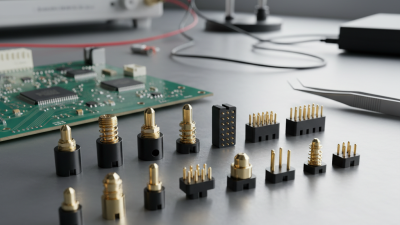
Best Pogo Pin Test Fixture for Accurate Testing?
In today's rapidly evolving electronics sector, the importance of reliable testing cannot be overstated. Pogo pin test fixtures are critical for ensuring the quality of electronic components. According to a recent report by Research and Markets, the global market for test fixtures is projected to grow significantly, indicating their vital role in manufacturing processes. As electronic devices become more complex, precise testing becomes necessary.
The use of pogo pin test fixtures helps in achieving high accuracy in electrical connections. These fixtures are essential for automating testing procedures, reducing human error, and increasing efficiency. However, the choice of a pogo pin test fixture must be carefully evaluated. Factors such as pin longevity, connection stability, and compatibility with different devices are crucial for optimal performance.
While many manufacturers claim superiority in their pogo pin designs, not all provide the expected reliability. Overlooking critical specifications can lead to subpar results. Ensuring quality in test fixtures is fundamental, as it directly impacts the performance of end products. Businesses must remain vigilant in selecting the right pogo pin test fixture to enhance their testing processes and ensure product integrity.
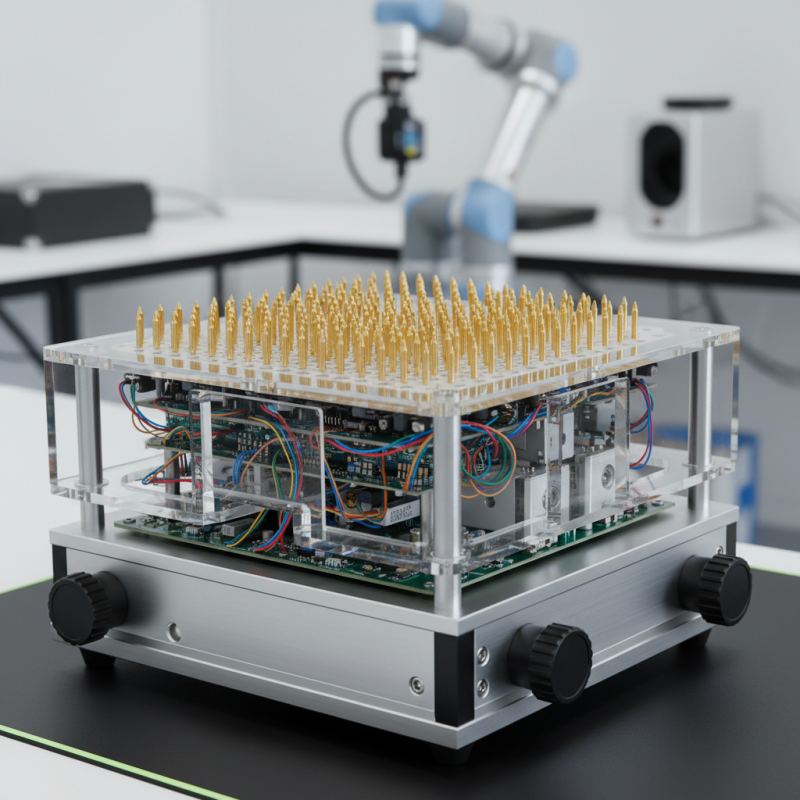
Best Pogo Pin Test Fixture: Overview of Market Leaders and Innovations
The market for pogo pin test fixtures is evolving rapidly, driven by the demand for precise electronic testing. A recent report indicates that the global pogo pin market will reach $1.3 billion by 2027, growing at a CAGR of 5.6%. This growth is fueled by advancements in technology and the increasing complexity of electronic devices. Manufacturers are prioritizing accuracy to enhance product reliability.
When selecting a pogo pin test fixture, features like durability and adaptability are crucial. Innovations such as self-cleaning mechanisms and modular designs are becoming standard. These enhancements not only improve testing accuracy but also reduce maintenance costs. Older fixtures often wore out quickly, requiring frequent replacements. This raises questions about sustainability in production practices.
Tips: Always check for the latest innovations. Implementing modern fixtures can save time and resources. Regular calibration is vital for maintaining accuracy in testing. Pay attention to changing standards within the industry. The reliability of your test fixtures directly impacts product quality. Investing in better technology can enhance overall productivity.
Any investment in pogo pin technology should also consider long-term benefits. Ensure that the fixture you choose can adapt to future testing needs. Some designs may not be compatible with emerging technologies, which can limit testing efficiency. It's essential to balance current functionality with future-proofing needs.
Best Pogo Pin Test Fixture Accuracy Comparison
Key Features of High-Quality Pogo Pin Test Fixtures for Precision Testing
When selecting a pogo pin test fixture for precise testing, several features distinguish high-quality options. One important factor is the pin pitch. A tighter pin pitch allows for better connections and reduces the likelihood of missed contacts. Industry reports indicate that fixtures with less than 0.5mm pin pitch can significantly enhance testing accuracy.
Another key feature is the material quality of the pogo pins. High-quality pins, often made from stainless steel, offer longevity and reliability. Data shows that fixtures with gold-plated tips can withstand more cycles without wear, ensuring consistent performance. This durability is essential for industries that require frequent testing, like electronics.
Tips: Always evaluate the spring force of the pogo pins. A balanced force can improve contact reliability, especially under varying temperatures.
It's also vital to consider the alignment features of the fixture. Options with adjustable alignment mechanisms ensure proper positioning of components. Misalignment can lead to significant testing errors. Industry estimates suggest that misalignment can account for up to 30% of failed tests.
Investing time in selecting a quality pogo pin test fixture will pay off in the long run. Precise testing leads to fewer product failures and reduces the cost of rework. Prioritizing these features is crucial for maintaining high standards in testing.
Comparative Analysis of Pogo Pin Test Fixture Accuracy Metrics
When selecting a pogo pin test fixture, accuracy is paramount. Various metrics can assess the performance and reliability of these fixtures. One key metric is contact resistance, which influences the signal integrity during testing. Lower resistance often indicates a more reliable connection, leading to better performance. However, achieving consistently low resistance can be challenging due to wear over time or improper alignment during tests.
Another crucial aspect is the probe alignment accuracy. Misalignment can lead to inconsistent test results. Proper design ensures that pogo pins make reliable contact with the test points. A fixture that allows easy adjustments can enhance precision. Yet, even the best designs sometimes fail to account for all variables, such as thermal expansion or manufacturing tolerances.
Durability also plays a significant role. A test fixture must withstand repeated use without degrading its performance. Regular maintenance can mitigate some issues, but fixtures may require replacement after a certain number of tests. As testing demands evolve, it’s vital to assess whether your current fixture meets the necessary standards. Regular reassessment can help identify areas for improvement, keeping your testing process efficient and accurate.
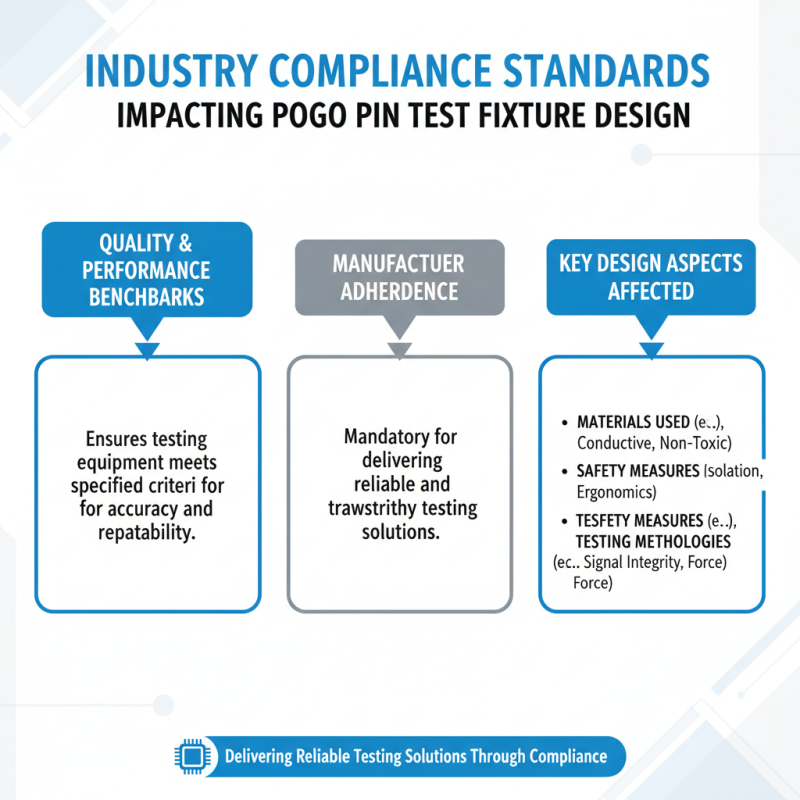
Industry Compliance Standards Impacting Pogo Pin Test Fixture Design
The design of pogo pin test fixtures is significantly influenced by industry compliance standards. These standards ensure that testing equipment meets specific quality and performance benchmarks. Manufacturers must adhere to these criteria to deliver reliable testing solutions. Compliance affects various aspects, including materials used, safety measures, and testing methodologies.
Moreover, the evolving landscape of compliance regulations can present challenges for designers. Staying updated with the latest standards requires continuous education and adaptation. Many fixtures may initially fail to meet these requirements due to outdated designs or insufficient testing. This reality highlights the importance of thorough assessments during development. Regular testing and validation can help identify gaps and improve fixture reliability.
Accurate testing is crucial for product integrity. A well-designed pogo pin test fixture can enhance accuracy and efficiency. However, achieving this demands a deep understanding of both technology and compliance requirements. Investing time in learning about the latest standards can prevent costly mistakes later on. Ultimately, the quest for compliance drives innovation in testing technology.
Cost-Benefit Analysis of Investing in Advanced Pogo Pin Test Fixtures
Investing in advanced pogo pin test fixtures can significantly enhance testing accuracy. This equipment ensures reliable connections during testing. While the initial costs may be high, the benefits can outweigh the expenses in the long run. Precise testing can minimize production errors, leading to cost savings.
Consider the long-term advantages. Higher accuracy reduces the need for rework and returns. This can improve overall productivity. Over time, the savings from fewer production errors often justify the investment.
**Tips:** Evaluate the potential return on investment before making a purchase. Research the fixture’s compatibility with your existing equipment. Regular maintenance can prolong the lifespan of your test fixtures, ensuring consistent performance.
Best Pogo Pin Test Fixture for Accurate Testing? - Cost-Benefit Analysis of Investing in Advanced Pogo Pin Test Fixtures
| Fixture Type |
Accuracy (%) |
Cost ($) |
Deployment Time (weeks) |
Maintenance Cost ($/year) |
Rating (out of 5) |
| Standard Pogo Pin Fixture |
95 |
500 |
3 |
50 |
3.8 |
| Enhanced Accuracy Fixture |
98 |
1200 |
4 |
70 |
4.5 |
| High-Speed Pogo Pin Fixture |
97 |
1500 |
6 |
60 |
4.7 |
| Customizable Modular Fixture |
96 |
1800 |
5 |
80 |
4.2 |
| Multi-Function Test Fixture |
99 |
2500 |
8 |
100 |
4.9 |