2026 How to Choose the Right Pogo Pin Receptacle for Your Project?
When designing a project that involves electronic connections, selecting the right pogo pin receptacle is crucial. Pogo pin receptacles offer a reliable solution for creating temporary connections in compact spaces. Understanding their specifications and applications can enhance your design's efficiency and functionality.
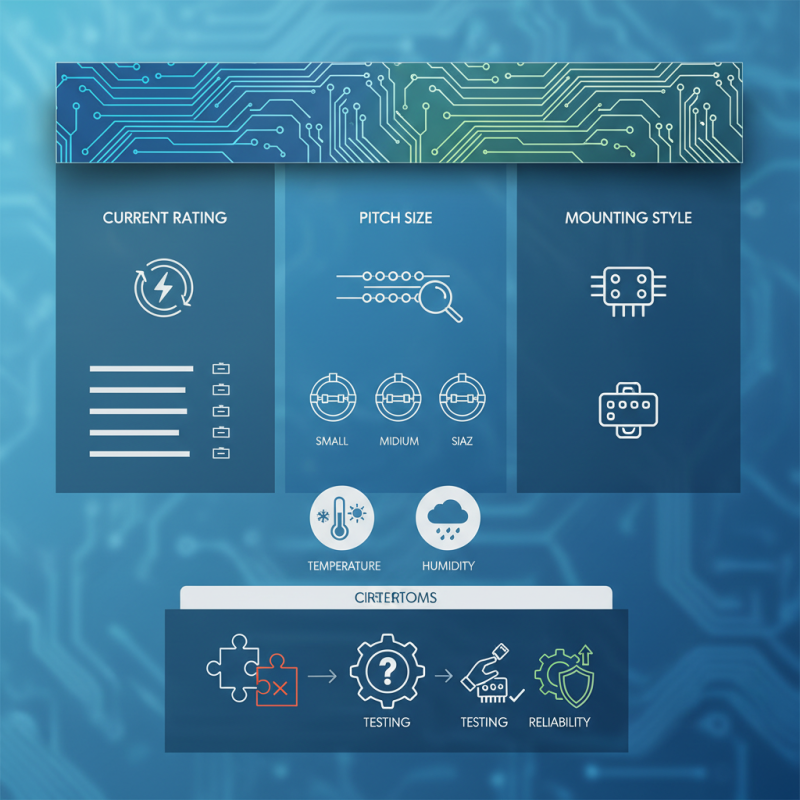
Choosing the right receptacle requires careful consideration. Factors such as current rating, pitch size, and mounting style play essential roles. A mismatch could lead to failure in your project. Additionally, an understanding of the environment where these components will operate is vital. Conditions like temperature and humidity can affect performance.
It's important to recognize that not all pogo pin receptacles are created equal. Some may not fit perfectly into your existing setup, leading to costly redesigns. Testing different options in prototype stages can help ensure compatibility. By reflecting on these choices, you can enhance the reliability of your project.
Understanding Pogo Pin Receptacles and Their Applications
Pogo pin receptacles play a critical role in connecting electrical components. Understanding their design and application is key for any project. These components feature spring-loaded pins that ensure a reliable connection. Commonly found in electronics, they are used in various applications, such as testing devices and wearable technology.
When selecting a pogo pin receptacle, consider the specifications. Understand the current and voltage requirements. Ensure the pin size matches your project's needs to prevent connection issues.
Tip: Always evaluate the environmental factors, like temperature and humidity. These can affect performance.
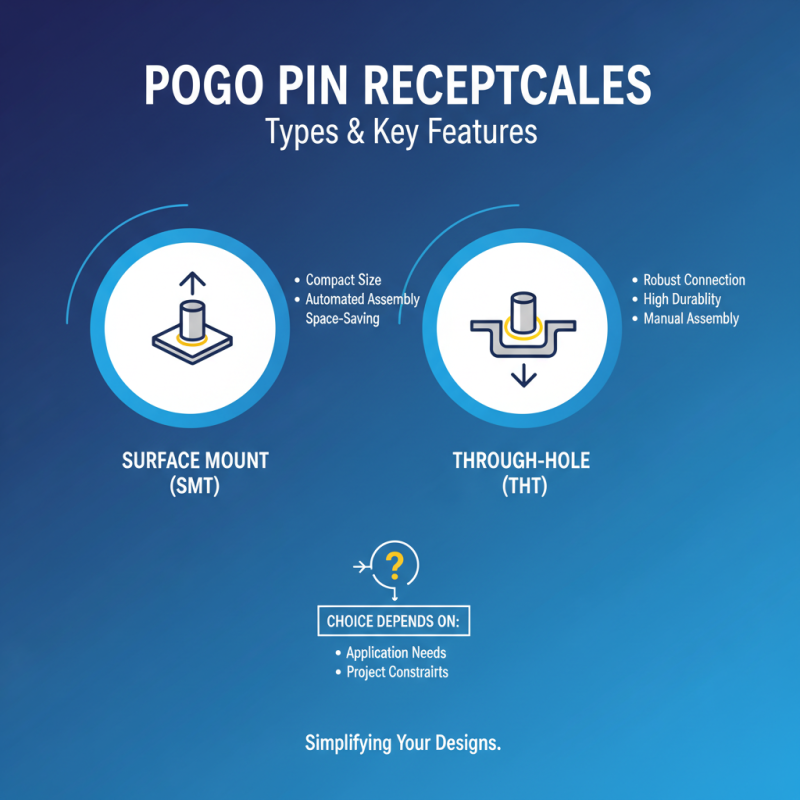
Also, think about the mounting style. Surface mount and through-hole are the two main options. Your choice can impact the ease of assembly and overall reliability.
Tip: Testing prototypes on a small scale can reveal potential problems. Iterating designs ensures you find the best fit for your needs.
Key Factors to Consider When Selecting Pogo Pin Receptacles
When selecting pogo pin receptacles, several key factors come into play. The design of the receptacle should match the specific requirements of your project. Consider the dimensions, spacing, and pin count. Every detail matters because incorrect specifications can lead to connection failures.
Material selection influences durability and conductivity. Metal materials like stainless steel or gold-plated finishes typically provide better performance. Depending on your application, thermal sensitivity could also be a vital factor. Ensure the material can withstand the operating temperatures without degrading.
**Tips:** Check for compatibility with your PCB layout. Ensure that the pogo pins fit snugly into the receptacle. Conduct thorough testing before finalizing your design. Monitor for any signs of wear or inconsistencies. This is crucial for reliability in long-term applications. Use a multimeter to ensure good electrical continuity.
Lastly, consider the alignment features. Misalignment can cause intermittent connections, affecting performance. Aim for a design that accommodates slight misalignments for better reliability. Collaboration with experienced engineers can help avoid common pitfalls. Remember, careful selection now can save complexities later.
Types of Pogo Pin Receptacles and Their Unique Features
When selecting a pogo pin receptacle, understanding the various types available is crucial. These receptacles come in different configurations, each designed for specific applications. Some are surface mount, while others are designed for through-hole installation. The choice between these options can impact the overall space and functionality of your project.
Key features differentiate pogo pin receptacles. Spring-loading mechanisms enable a reliable connection, essential for applications like battery management systems. Different pin configurations enhance the receptacle’s adaptability, allowing for multi-directional mating. Notably, the material used in manufacturing can influence conductivity and durability. Some materials are more resistant to wear, which may be critical for high-use environments.
Choosing the right receptacle requires careful consideration of your project’s unique needs. Overlooking the specifications can result in connectivity issues or poor durability. It’s vital to assess the electrical requirements and environmental factors. Mistakes can lead to costly redesigns. Reflection on these elements ensures the long-term success of your project.
Evaluating Electrical Specifications for Pogo Pin Receptacles
When selecting a pogo pin receptacle, understanding electrical specifications is crucial. These components are not just connectors; they serve important roles in circuit operation. Voltage ratings, current capacities, and contact resistance should all be accounted for. Too much voltage can lead to failures, while inadequate current handling may cause overheating. This balance is essential for a reliable design.
Take into consideration the application's environment. High temperatures, humidity, or dust can affect performance. Testing in real-world conditions is often necessary. Sometimes, manufacturers publish data, but not all conditions are covered. This gap can lead to misconceptions about reliability.
Designers should also think about the lifetime of pogo pin connections. Repeated use can wear out contacts over time. Consider track records of similar projects to make informed decisions. Engaging with experts or forums can provide insights but remember that experiences may vary. This reflection can help avoid critical missteps in your project's design phase.
Best Practices for Integrating Pogo Pin Receptacles in Projects
When integrating pogo pin receptacles into your projects, consider the design and layout carefully. Start by assessing the mechanical stability required for your application. Pogo pins must maintain a reliable connection during use. Inadequate support can lead to misalignment and poor performance. Adjust the size and number of receptacles based on the board's dimensions and your device's needs.
Pay attention to the pin pitch and current rating. These factors affect how well the receptacle fits into your design. A smaller pitch may save space but can complicate assembly. Ensure accurate alignment to avoid manufacturing errors. Prototyping can identify unexpected issues. You might find the pins struggle to fit perfectly in their places. Testing helps refine the fitting process.
Lastly, ensure proper soldering techniques are employed during assembly. Poor solder joints can lead to intermittent connections. These problems often arise from improper heat application or poor surface preparation. Reflect on your assembly processes regularly. Monitor feedback from testing. Continually improve based on this insight to enhance performance and reliability.
2026 Pogo Pin Receptacle Selection Criteria
This chart illustrates the key specifications to consider when selecting the right pogo pin receptacle for your project in 2026. Factors such as current rating, operating temperature, contact resistance, size, and number of pins are critical in making an informed choice.