How to Choose Blue Light Therapy Devices in 2026?
Choosing a Blue Light Therapy device in 2026 requires more than comparing prices, ratings, or attractive product photos. The right choice depends on wavelength, irradiance, treatment distance, session length, and documented safety testing. A device that looks powerful may deliver uneven light. Another may feel comfortable but provide too little energy for meaningful results. Small details matter.
Dr. Michael R. Hamblin, a leading photomedicine researcher, has described photobiomodulation as “the use of light to stimulate healing, reduce inflammation, and relieve pain.” His work reminds consumers that light-based treatment should be evaluated scientifically, not marketed as a miracle. For acne-focused Blue Light Therapy, evidence commonly centers on blue wavelengths near blue-violet ranges, which may help target Cutibacterium acnes. However, results differ between individuals. Skin type, treatment consistency, medication use, and the actual device output can change the experience.
Look for published specifications, independent testing, clear instructions, and realistic clinical claims. Check whether the manufacturer explains eye protection and contraindications. Some devices may irritate sensitive skin or worsen dryness when used too often. Professional guidance is wise when you have photosensitivity, take light-sensitive medication, or manage a skin condition. Do not trust every glowing review.
This guide examines the practical questions buyers often overlook. Is the wavelength verified? Is the output measured at the recommended distance? Can you use the device consistently without discomfort? I cannot promise that every promising feature will produce better results. Careful comparison remains essential, because the most expensive device is not always the most suitable one.
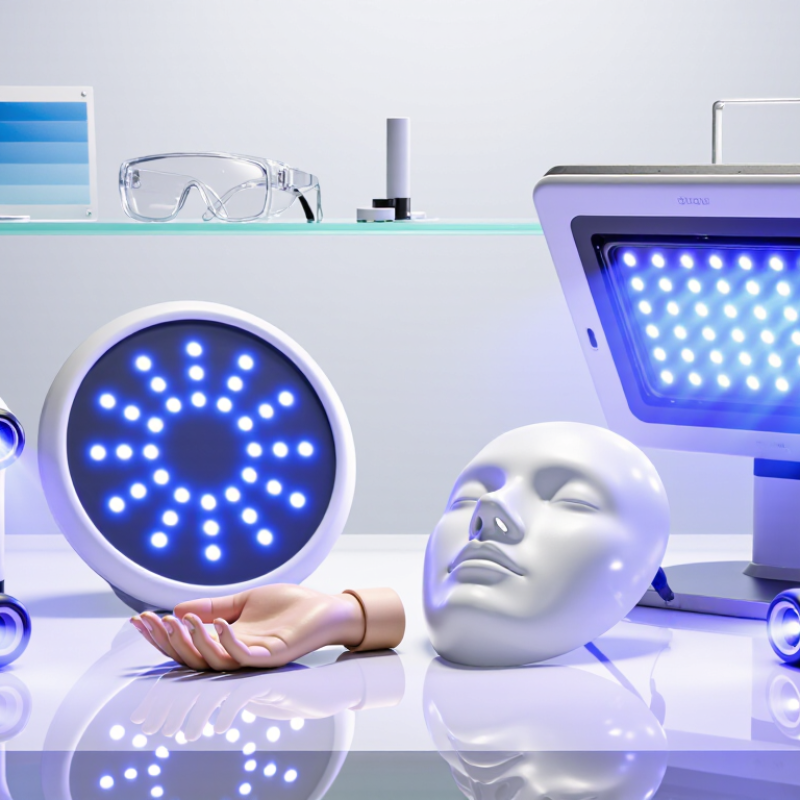
What Blue Light Therapy Is and How It Works
How to Choose Blue Light Therapy Devices in 2026?
Blue light therapy uses visible blue wavelengths, commonly around 405–470 nanometers. Unlike ultraviolet light, it does not intentionally tan or burn the skin. For acne-prone skin, blue light may activate porphyrins produced by Cutibacterium acnes. This process can create reactive oxygen and reduce some acne-related bacteria. The effect is not instant. Consistent sessions matter more than dramatic advertising.
A suitable device should state its wavelength, treatment distance, session length, and tested light output. Vague phrases like “medical strength” offer little useful information. Look for clear safety instructions and built-in eye protection. People using photosensitizing medicine should ask a qualified healthcare professional before treatment. The same caution applies to users with light-sensitive conditions or unexplained skin changes.
Device comfort also affects real-world use. A heavy mask may stay in a drawer, even if its specifications look impressive. A timer, stable fit, and easy cleaning can make treatment more practical. Clinical evidence supports blue light for some mild acne, but results vary between users. It may not control nodules, scarring, or every cause of acne. The label can look more precise than the evidence. My own preference would be measured expectations, not the brightest device.
How to Compare Wavelengths, Power, and Treatment Coverage
How to Choose Blue Light Therapy Devices in 2026?
Wavelength matters more than a glowing surface. For acne-focused devices, blue light commonly falls near 415–470 nanometres. A narrow, clearly stated peak is more useful than vague “blue spectrum” language. Check whether the manufacturer provides spectral testing, not just marketing claims. I once equated brightness with effectiveness. That was a poor shortcut.
Power requires careful reading. Look for irradiance, measured in milliwatts per square centimetre, at the recommended treatment distance. Dose depends on both irradiance and time: 10 mW/cm² for 10 minutes delivers approximately 6 J/cm². A brighter device may shorten sessions, but excessive intensity can increase discomfort. Treat the numbers cautiously. Independent laboratory reports are valuable, although testing methods can differ.
Coverage affects consistency. A small mask may illuminate the cheeks while missing the jawline and forehead. A panel can cover more skin, but uneven spacing may create bright and weak zones. Hold a ruler against the device, then compare its treatment area with your target skin. Check heat, eye protection, timer accuracy, and cleaning requirements. Follow the stated distance precisely. People using photosensitising medicines or managing eye conditions should seek professional advice before treatment. Evidence is still uneven across conditions, so a device with impressive specifications does not automatically deserve clinical trust.
How to Choose Blue Light Therapy Devices in 2026?
Comparing Wavelengths, Power, and Treatment Coverage
Shorter blue wavelengths contain more photon energy. The chart compares representative blue-light wavelengths with their calculated photon energy and the irradiance produced when 1 watt of optical power is distributed across a 200 cm² treatment area. Actual treatment performance also depends on optical losses, distance, beam uniformity, exposure time, and safety controls.
How to compare devices: - Wavelength: Confirm the peak wavelength and spectral bandwidth rather than relying only on a “blue light” label.
- Power: Irradiance equals optical power divided by illuminated area. For example, 1 W across 200 cm² equals 5 mW/cm² before optical losses.
- Coverage: Larger coverage can shorten repositioning time, but the light should remain evenly distributed across the treatment area.
- Safety: Check eye protection requirements, exposure limits, heat management, and whether the device is appropriate for the intended use.
Calculated values use photon energy ≈ 1240 ÷ wavelength (nm) and irradiance = optical power ÷ treatment area.
How to Evaluate Safety Features, Evidence, and Device Quality
How to Choose Blue Light Therapy Devices in 2026?
A credible device should explain its wavelength, irradiance, treatment time, and testing methods. Vague phrases like “advanced light technology” provide little useful evidence. Look for published studies that match the device’s wavelength, dose, and intended use. Results from another machine may not transfer reliably. That distinction matters.
Safety features deserve practical attention. A built-in timer can prevent accidental overuse. Eye protection should fit comfortably and block inappropriate wavelengths. Check for heat controls, automatic shutoff, secure cables, and clear cleaning instructions. The housing should feel stable, with no exposed wiring or sharp edges. If the manual omits contraindications, pause before purchasing. Ask a qualified healthcare professional if you have light-sensitive conditions, take photosensitizing medication, or use the device near your eyes.
Device quality is more than appearance. Verify independent electrical testing, transparent manufacturing information, and a traceable warranty. Regulatory clearance in your market may support basic safety, but it does not guarantee impressive results. I once assumed a brighter panel would work better. That assumption was too simple. Higher intensity can increase irritation without improving outcomes. Keep a record of treatment dates, session length, skin reactions, and changes in symptoms. Photos taken under the same indoor lighting can reveal gradual differences, although they remain imperfect evidence. Be skeptical of dramatic testimonials. A careful choice depends on measurable specifications, realistic claims, and consistent use.
How to Choose a Device Based on Your Needs and Budget
How to Choose Blue Light Therapy Devices in 2026?
Choosing a blue light therapy device should begin with your actual goal, not its appearance. For acne concerns, look for clear wavelength information, often near 405–420 nanometres. A device claiming to treat everything deserves careful questions. Check published testing, treatment distance, session length, and irradiance data. If these details are missing, your decision becomes guesswork.
Budget matters beyond the purchase price. Include replacement parts, protective eyewear, electricity, and the time required for regular sessions. A lower-cost panel may seem attractive, but uneven light can produce inconsistent coverage. A smaller device might suit occasional facial use, while a larger unit may fit broader areas.
Read the safety instructions closely. Blue light can irritate sensitive eyes, and some medicines increase light sensitivity. Ask a qualified healthcare professional before use if you take photosensitising medication or have a diagnosed skin condition. Results vary. That is easy to forget.
Tips: Compare specifications in a simple table. Record your skin’s condition before treatment. Follow the recommended distance and schedule. Stop if burning, unusual redness, or eye discomfort appears. Do not assume brighter means better. Evidence for home devices is still uneven, and marketing language can sound more certain than the research. Personally, I would value transparent measurements over extra features, even if the device looks less impressive.