How to Choose the Best Coiling and Packing Machine?
Choosing the best Coiling and Packing Machine is crucial for many industries. In 2022, the global packaging machinery market was valued at approximately $43 billion. This figure is expected to grow significantly due to increasing demand for efficient packaging solutions. Coiling and Packing Machines play a vital role in optimizing processes, enhancing productivity, and reducing waste.
When selecting a Coiling and Packing Machine, it’s essential to consider various factors. Machine speed, size, and the materials it can handle are critical aspects. Not all machines perform equally under different conditions. For instance, some may struggle with delicate materials, which can lead to increased product damage. Understanding these details can lead to better operational efficiency.
Additionally, manufacturers often overlook the importance of machine compatibility with existing workflows. A Coiling and Packing Machine that doesn’t fit well with current systems can disrupt production. This oversight can turn into costly downtime. Evaluating technology advancements, like automation features, is necessary. Incorporating this knowledge influences long-term success in packaging operations.
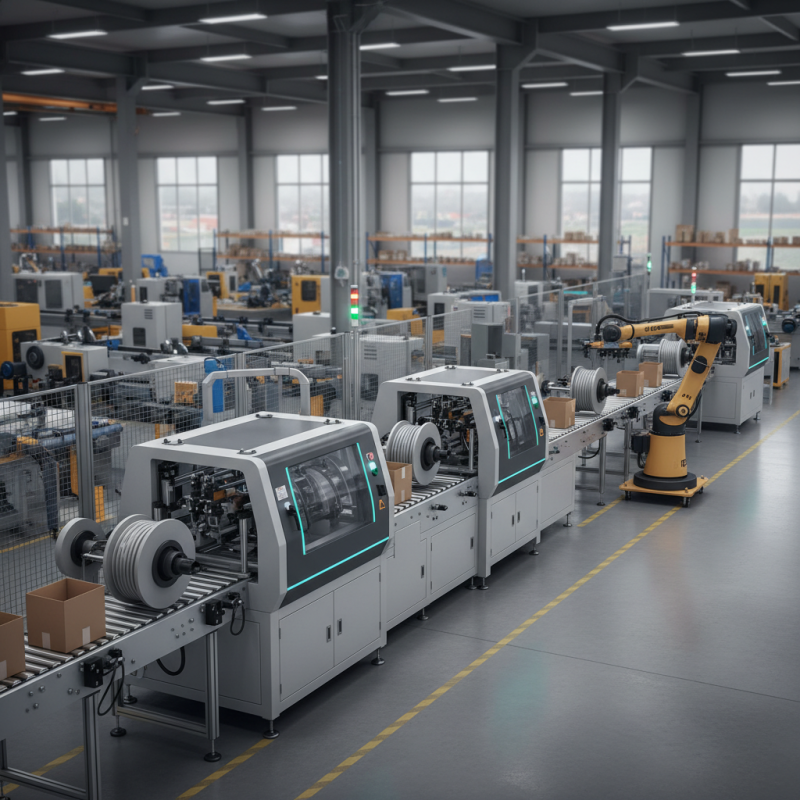
Factors to Consider When Selecting a Coiling Machine
Choosing the right coiling and packing machine involves evaluating several key factors. Begin with your production needs. Consider the types of materials you will handle. For example, companies often report that flexibility in handling various materials increases overall efficiency by up to 30%. It's essential to choose a machine that can easily adapt to different product requirements.
Speed and accuracy are also crucial. Many operators face challenges when packing at high speeds, leading to errors. Research shows that precision in packing can enhance product quality and reduce waste. Aim for machines with a high degree of accuracy to minimize these risks.
Tips: Always assess the machine’s maintenance needs. Regular maintenance can prevent unexpected downtime. Consider the space available in your facility. A compact design can save valuable floor space while still meeting production needs.
Evaluate production speed requirements. Some machines may promise high output but might not maintain quality. Understand your operational capacity and choose a machine that aligns with it. Note that underestimating production capability can lead to future losses, affecting your business growth.
Understanding Different Types of Packing Machines
Choosing the right packing machine can be challenging. Many options exist, and understanding each type is essential. Horizontal and vertical form-fill-seal machines are two popular choices. They work differently but serve similar purposes. Horizontal machines lay products flat. They are great for pouches and bags. Vertical machines, on the other hand, stand products upright. These are ideal for liquids and powders.
Another common type is the cartoning machine. This machine automates the process of putting products into cartons. It's efficient for bulk items. Then there are shrink wrap machines, which provide a tight seal around products. These are perfect for bundling several items together. Each kind of machine has strengths and weaknesses. For example, a shrink wrap machine may leave unsightly wrinkles. Some machines might require frequent adjustments and can be hard to clean.
In selecting a packing machine, consider the size and shape of your products. This is crucial for achieving the best results. Analyze your production speed requirements too. A machine that is too slow may hinder your operations. Ultimately, it’s about finding the right balance between efficiency and quality.
Comparison of Different Types of Packing Machines
Evaluating Machine Capacity and Speed for Your Needs
When evaluating machine capacity and speed, first consider your production needs. Assess the volume of products you handle daily. Identify peak times and average demand. This information will guide your choice. Some machines may work well for low volume, but struggle during high demand.
Tip: Calculate your average daily output. Then find machines that meet or exceed this number. Speed is essential, but don't solely focus on it. Reliability matters too. A fast machine that breaks down often can slow you down immensely.
Think about the types of products you’re packing. Different materials may require specific handling. Consider weight and fragility. A light, delicate item needs a different approach than a heavy, sturdy one.
Tip: Test machines if possible. Ensure they can handle all types of products. You might discover a few features that are not as helpful as they seem. Pay attention to user reviews. They can highlight hidden quirks that manufacturers don't mention.
Assessing Machine Durability and Maintenance Requirements
When assessing the durability of coiling and packing machines, it’s important to look at materials and construction. Machines made from high-quality steel last longer. Corrosion-resistant features are also a plus in many environments. Check welds and joints for strength. These components can be weak points.
Maintenance requirements can determine long-term performance. Machines with easy access to parts simplify repairs. Regular maintenance intervals should be clear and manageable. Look for those that offer intuitive maintenance guides. This will save you time and stress.
**Tip:** Always review user manuals for maintenance tips. They often contain valuable insights.
Additionally, consider the machine's compatibility with your production needs. It may be a machine with high durability, but if it requires frequent repairs, it’s not efficient. Track records matter. Look for user feedback on actual usage. This real-world data can reveal hidden issues.
**Tip:** Keep a maintenance log. This helps identify recurring problems. It aids in decision-making for future purchases.
How to Choose the Best Coiling and Packing Machine? - Assessing Machine Durability and Maintenance Requirements
| Machine Model | Durability Rating (Years) | Maintenance Frequency (Months) | Key Features | Cost Estimate ($) |
| Model A | 10 | 6 | High-speed operation, compact design | 15000 |
| Model B | 8 | 12 | User-friendly interface, energy-efficient | 12000 |
| Model C | 12 | 9 | Versatile packing options, rugged construction | 17500 |
| Model D | 15 | 10 | Advanced safety features, minimal downtime | 20000 |
Budgeting for Coiling and Packing Machine Investments
When budgeting for coiling and packing machines, careful planning is essential. Start by defining your production needs. Consider the type of products you will pack. Some machines excel in speed. Others are more versatile. It’s crucial to find a balance between capability and cost.
Examine the total cost of ownership. Initial expenses can be misleading. Factor in maintenance, energy consumption, and potential downtime. Investing in a durable, efficient machine may save money over time. However, not all options are equal. A cheaper machine might lead to more frequent repairs.
Also, think about scalability. Your business may grow, and the machine should grow with it. Can it adapt to different product sizes? Will it meet future demands? Keeping these questions in mind can lead to better investment decisions. It's challenging to predict every variable, yet planning meticulously is vital. Each choice carries weight and can shape your production line's future.