How to Choose the Best Cryogenic Gearbox for Your Needs?
Selecting the best Cryogenic Gearbox can be a daunting task. As industry expert Dr. Emily Carter states, “Understanding your specific application is crucial in this selection process.” Cryogenic gearboxes operate in extreme conditions, which necessitates careful consideration of various factors.
Temperature ranges, materials, and load capacities play significant roles in the choice of a gearbox. Many overlook the nuances of thermal expansion and contraction in these environments. Maintenance requirements also differ considerably. Selecting an inappropriate gearbox may lead to failure or costly breakdowns.
Be aware that not all manufacturers provide comprehensive information. Some focus more on sales than on delivering reliable gearboxes. Consumers must conduct thorough research. Peer reviews can provide insight, but personal experience often leads the way. Understanding both strengths and weaknesses is essential for making informed decisions.
Understanding Cryogenic Gearboxes and Their Applications
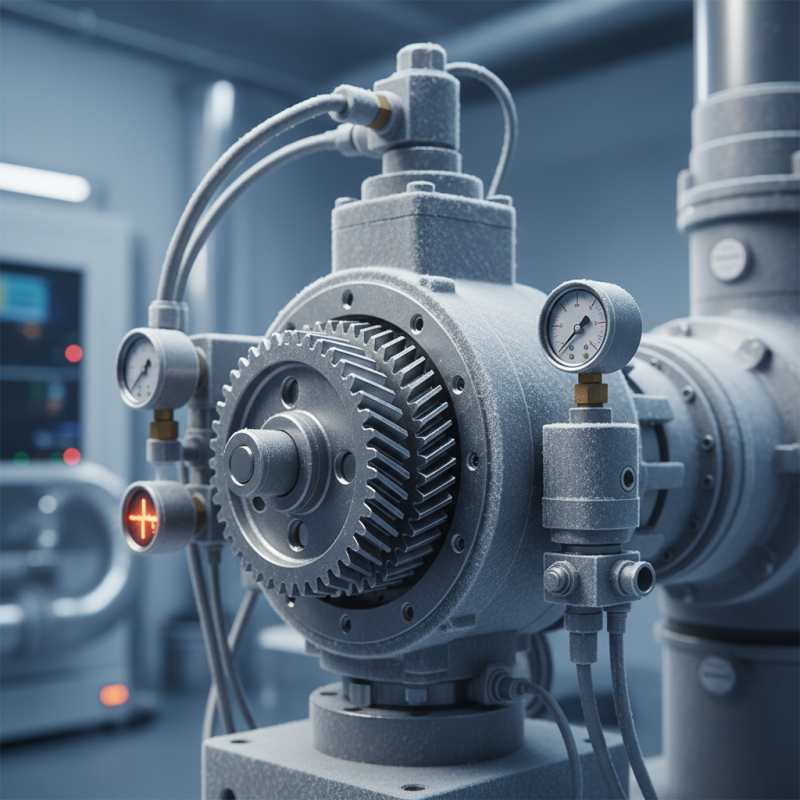
Cryogenic gearboxes are specialized components designed for extremely low temperatures. They are essential in applications such as liquefied natural gas systems, space exploration, and other advanced technological processes. The unique features of these gearboxes allow them to function effectively in harsh environments.
Choosing the right cryogenic gearbox involves understanding its construction and materials. Most models use alloys resistant to thermal contraction. This is crucial because conventional materials may become brittle at low temperatures, leading to mechanical failure. Consideration of lubrication is vital, too, as traditional lubricants might not perform well in cryogenic conditions.
Applications span various industries, from aerospace to energy. However, the environment can create challenges. Users may encounter compatibility issues with existing systems. It's important to evaluate these factors before making a decision. Regular testing and monitoring are necessary to ensure consistent performance.
Key Factors to Consider When Choosing a Cryogenic Gearbox
When selecting the right cryogenic gearbox, several key factors demand consideration. One critical aspect is the temperature range. Most cryogenic applications operate between -150°C to -270°C. A gearbox needs to withstand these extreme temperatures without compromising performance. Industrial studies highlight that roughly 30% of gear failures arise from inadequate thermal management in these conditions.
Material selection is another vital factor. Common materials like stainless steel offer robustness but may not perform well at cryogenic temperatures. A report from the Cryogenic Society notes that specialized alloys can enhance performance by reducing brittleness and increasing longevity. This is essential, as the operational lifespan can significantly influence overall project costs.
Load capacity must match the demands of the application. If underloaded, wear and tear can occur rapidly. Conversely, overloading can lead to catastrophic failures. Reports suggest that accurately assessing torque requirements can cut maintenance costs by 25%. This emphasizes a need for careful evaluation in your choice of gearbox. Each selection involves trade-offs, highlighting the importance of personalized specifications over one-size-fits-all solutions.
Types of Cryogenic Gearboxes and Their Performance Characteristics
When selecting a cryogenic gearbox, understanding the types and their performance is crucial. There are typically three main types of cryogenic gearboxes: spur gearboxes, helical gearboxes, and planetary gearboxes. Each type offers distinct advantages depending on your application. For instance, spur gearboxes are known for their simplicity and efficiency. They can maintain high performance at low temperatures but may experience higher noise levels.
Helical gearboxes, on the other hand, provide smoother operation and greater load capacity. According to industry reports, helical designs can improve torque by approximately 20% compared to spur designs. This increased effectiveness makes them suitable for demanding industrial environments. However, their complexity leads to higher manufacturing costs, which should be considered when evaluating options.
Planetary gearboxes excel in compact spaces while delivering high torque density. By distributing load across multiple gears, they minimize wear and enhance durability. Reports indicate that they can operate effectively at temperatures as low as -250°C. While they have impressive performance profiles, their design can sometimes be challenging to integrate into existing systems. Understanding these nuances will help ensure a better fit for your specific cryogenic requirements.
How to Choose the Best Cryogenic Gearbox for Your Needs?
| Type of Cryogenic Gearbox | Typical Applications | Performance Characteristics | Temperature Range (°C) | Load Capacity (N·m) |
| Helical Gearbox | Cryogenic pumps and compressors | High efficiency, compact design | -200 to -100 | 500 |
| Planetary Gearbox | Cryogenic handling systems | High torque, low backlash | -196 to -100 | 1000 |
| Worm Gearbox | Cryogenic research and testing | High reduction ratios, self-locking | -150 to -40 | 250 |
| Bevel Gearbox | Cryogenic storage systems | Compact, high load capacity | -200 to -70 | 750 |
Evaluating Material Compatibility for Cryogenic Environments
When selecting a gearbox for cryogenic applications, material compatibility is crucial. According to a report by the Cryogenic Engineering Conference, materials must withstand extreme temperatures that can plummet below -150°C. Common materials like stainless steel and aluminum may become brittle in cryogenic conditions. This brittleness can lead to catastrophic failure during operation.
Metallurgical studies show that certain polymers, such as PTFE and PEEK, perform well in these environments. PTFE maintains its flexibility and strength, while PEEK offers excellent mechanical properties even at low temperatures. Additionally, elastomers need careful consideration. Common options include silicone or fluorocarbon-based materials, but they may lose elasticity and durability when exposed to cryogenic temperatures.
It’s important to understand that not all materials behave consistently under cryogenic conditions. The performance can vary significantly based on the specific alloy composition or polymer formulation. Companies must conduct extensive compatibility testing to avoid costly failures. Overlooking these details can lead to equipment malfunction, unexpected downtime, and financial loss. Balancing longevity and performance requires thorough research and expert consultation.
Material Compatibility Evaluation for Cryogenic Gearboxes
Vendor Selection and Maintenance in Cryogenic Gearbox Systems
Selecting the right vendor for cryogenic gearbox systems is crucial. Vendors should have extensive expertise in cryogenic technology. Look for those with a solid track record. Check their industry experience and customer reviews. Reliable vendors understand the complexities of low-temperature operations. They provide gearboxes that can handle extreme conditions. This is vital for effective performance.
Maintenance is another key aspect of cryogenic gearbox systems. Regular checks can prevent potential failures. It is important to monitor for signs of wear and tear. A slight misalignment can lead to costly issues down the road. Employees should be trained to recognize early warning signs. The focus should be on creating a preventive maintenance schedule.
Vendors often provide support for maintenance strategies. This can enhance the longevity of the gearbox. Transparency in maintenance procedures builds trust. However, not all vendors communicate their processes clearly. It’s essential to ask questions and seek clarity. Understanding maintenance requirements ensures optimal performance throughout the gearbox's life.