How to Choose the Best Kitchen Refrigeration System for Your Needs?
Choosing the right Kitchen Refrigeration system can be a daunting task. With so many options available, it’s easy to feel overwhelmed. Kitchen refrigeration is crucial for preserving food quality and safety. Selecting an efficient system impacts both your cooking and food storage experience.
Consider your kitchen layout and space. A large family may require a spacious refrigerator. Compact models suit smaller kitchens or apartments. Assess your needs carefully, as these choices affect daily life. Energy efficiency is another vital aspect. A reliable unit saves costs over time. Look for models with good energy ratings for long-term benefits.
Aesthetics also matter in a modern kitchen. A stylish refrigerator can enhance your space’s appeal. Functionality should not be sacrificed for looks. Reflect on your own cooking habits and frequency of grocery shopping. This helps determine the perfect size and features of your kitchen refrigeration system. Be mindful of your choices. An informed decision leads to better satisfaction and efficiency.
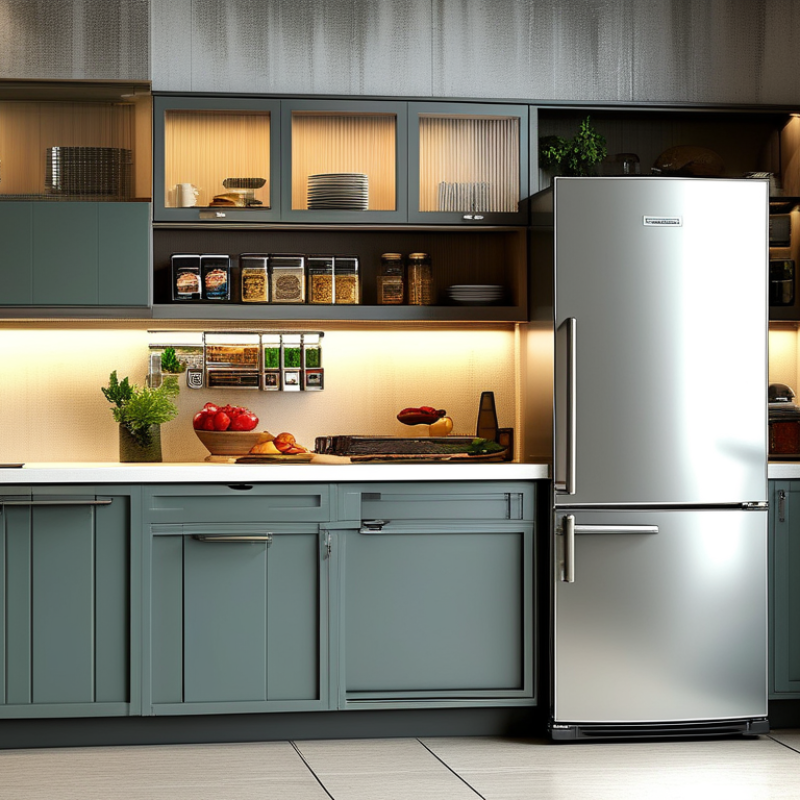
Understanding Different Types of Kitchen Refrigeration Systems
When selecting a kitchen refrigeration system, understanding the available options is crucial. There are primarily three types: reach-in refrigerators, walk-in coolers, and undercounter units. Reach-in refrigerators are ideal for kitchens with limited space. They allow for easy access and are compact in size.
Walk-in coolers suit larger operations. They provide ample storage and accommodate bulky items. However, they require more floor space and can be expensive to install. Undercounter units are great for smaller kitchens, fitting neatly beneath countertops. They maximize space but offer limited capacity.
**Tips:** Consider your kitchen’s size and layout when choosing. Assess your storage needs carefully. Think about the temperature ranges you require for different foods. Reflect on your budget for both purchase and maintenance. Each type has unique advantages but also limitations. Prioritize based on your kitchen workflow. Reliability is key; check reviews and seek expert advice before making a decision.
Assessing Your Kitchen Space and Layout for Refrigeration Needs
When considering refrigeration for your kitchen, space and layout are crucial. Measure available areas carefully. Understand how much space you can dedicate to refrigeration units. An inefficient layout can lead to wasted energy and poor accessibility. Visualize the flow of your kitchen. Where do you frequently prepare food? Positioning your refrigerator near food prep areas can save time and effort. Take note of your kitchen’s design. A modern kitchen might benefit from a sleek, integrated refrigerator, while a vintage design may require a retro-style unit. Reflect on the cabinet sizes and door swings. An oversized refrigerator can obstruct movement. Think about how appliances align with your kitchen's workflow. Blood, sweat, and tears go into meal prep — make it easier. Consider ventilation too. Refrigerators need adequate airflow to function efficiently. Poor ventilation might cause overheating issues. Evaluate any obstructions around potential locations. These small details can significantly impact refrigerator performance. Understanding your specific needs takes time and effort. Think about what works for you, not just trends.
Evaluating Energy Efficiency and Operating Costs of Refrigerators
When selecting a kitchen refrigeration system, energy efficiency is crucial. According to the U.S. Department of Energy, energy-efficient refrigerators can save an average of $200 annually in operating costs. This amount can significantly impact a household budget over time. Understanding Energy Star ratings can guide consumers toward models that minimize energy use while maximizing performance.
Operating costs also consist of maintenance and repair. Common issues arise from poor insulation and compressor malfunctions. Regular maintenance checks can prevent equipment failure. For instance, a study by the Appliance Standards Awareness Project found that poorly maintained refrigerators waste up to 50% more energy compared to well-maintained units. This highlights the need for proactive care.
Additionally, consider the overall lifecycle cost of a refrigerator. While a cheaper model may seem appealing, it can result in higher energy bills. Investing in a well-rated unit often pays off in the long run. Finding the right balance between upfront price and ongoing expenses is essential for any savvy shopper.
Energy Efficiency and Operating Costs of Refrigerators
Key Features to Consider When Selecting a Refrigerator
Choosing the right kitchen refrigeration system is essential. Key features play a crucial role in that decision. Start with size. According to industry reports, about 40% of households underestimate their space needs. Measure your kitchen to avoid issues with fitting.
Energy efficiency is another major factor. Look for models with high Energy Star ratings. Research from the U.S. Department of Energy reveals that energy-efficient refrigerators can save up to $300 over ten years. This can significantly reduce long-term costs.
Consider the layout and organization within the fridge. Adjustable shelves and door bins enhance usability. Many people overlook how often they need to rearrange items. A flexible layout can minimize frustration and keep items accessible. Lastly, think about noise levels. A quiet refrigerator can contribute to a more pleasant kitchen environment. Remember to assess how sound may affect your daily activities.
Maintenance Tips for Long-lasting Kitchen Refrigeration Systems
Maintaining your kitchen refrigeration system is crucial for longevity. Regular care can save you money. A well-maintained fridge operates more efficiently, which preserves food quality.
One critical tip is to clean the condenser coils frequently. Dust and dirt can build up, reducing efficiency. This should be done every six months. Changing air filters is also essential. A dirty filter strains the appliance, affecting cooling. Use warm soapy water to clean filters and rinse them thoroughly.
Check door seals too. Gaps in seals can cause temperature fluctuations. Test seals by closing the door on a piece of paper. If it pulls out easily, the seal may need replacement. Inspecting your refrigeration system regularly contributes to its overall efficiency and lifespan. Don't overlook these simple yet vital steps.
How to Choose the Best Kitchen Refrigeration System for Your Needs? - Maintenance Tips for Long-lasting Kitchen Refrigeration Systems
| Feature | Description | Maintenance Tip |
| Energy Efficiency | Look for models with high energy ratings to save on electricity bills. | Clean condenser coils regularly to maintain efficiency. |
| Size | Choose a size that fits in your kitchen and meets your storage needs. | Ensure proper ventilation space around the unit for optimal performance. |
| Cooling Technology | Consider models with multi-zone cooling for versatile storage. | Check temperature settings regularly for consistent cooling. |
| Noise Level | Select quieter models for a more peaceful kitchen environment. | Listen for unusual noises, which could indicate maintenance issues. |
| Cost | Compare initial costs with expected lifespan and energy savings. | Keep track of repair costs to assess long-term viability. |