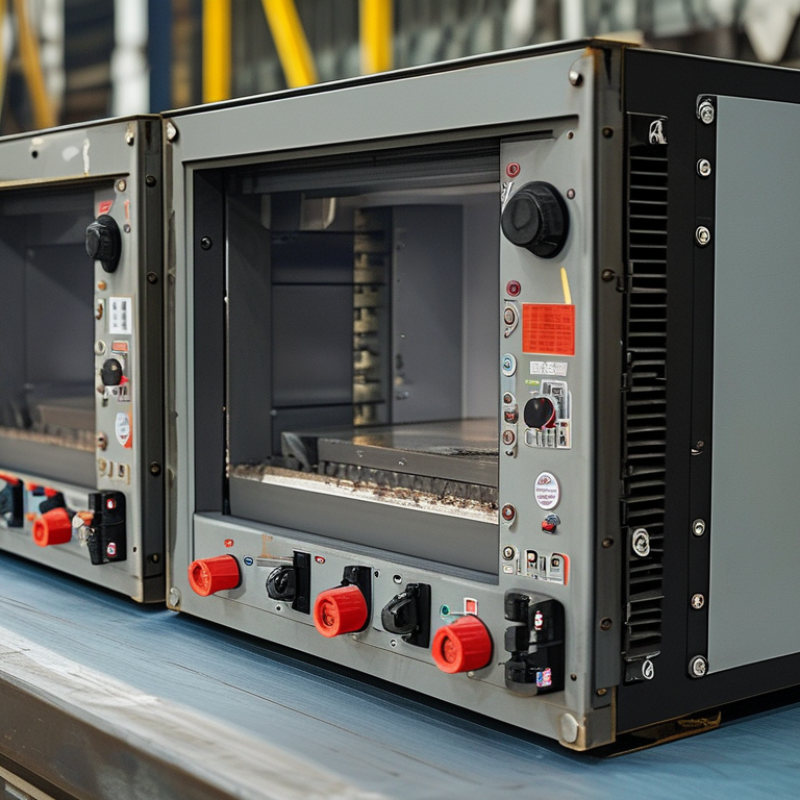
Top 5 Tips for Choosing the Right Vacuum Brazing Furnace?
Selecting the right Vacuum Brazing Furnace is crucial for achieving optimal results in your manufacturing processes. Industry expert Dr. Emily Chen states, "A well-chosen brazing furnace can significantly enhance production efficiency." When considering such an investment, understanding furnace capabilities, materials compatibility, and energy efficiency proves vital.
Each furnace operates under specific conditions. Mismatches can lead to subpar results. The technology behind Vacuum Brazing Furnaces has advanced rapidly. This can make choices overwhelming. Factors like furnace size and chamber design demand careful evaluation.
Potential buyers often overlook these aspects. This oversight can be costly. Investing time in research pays off in the long run. The right Vacuum Brazing Furnace not only saves money but also improves product quality.
Understanding the Requirements for Your Vacuum Brazing Application
When selecting a vacuum brazing furnace, understanding your specific requirements is crucial. The materials to be brazed, their dimensions, and the desired joint quality all play significant roles. Different applications demand different temperature profiles and atmospheres. Ensure the furnace can accommodate your unique specifications.
Quality control should not be overlooked. You might need to consider the level of automation and monitoring. Inspecting the vacuum quality is essential. Inadequate vacuum can lead to defects in the brazing process. The optimal performance of the furnace is linked directly to your production needs.
Think about the size of the furnace. A unit that’s too small can limit your capabilities. On the other hand, a furnace that’s excessively large may lead to energy inefficiencies. Assess your production volume and space requirements carefully. Ignoring these details can lead to frustrating operational challenges. Balancing efficiency and effectiveness is key to finding the right solution.
Top 5 Tips for Choosing the Right Vacuum Brazing Furnace
This chart illustrates the key factors to consider when selecting a vacuum brazing furnace for your application, along with their importance ratings based on industry standards.
Evaluating the Size and Capacity of Vacuum Brazing Furnaces
When selecting a vacuum brazing furnace, understanding size and capacity is crucial. The furnace must accommodate the dimensions and volume of the components you intend to braze. A too-small furnace can limit production capabilities, leading to increased operational costs. According to the Vacuum Furnace Society, a well-sized furnace can optimize airflow and temperature uniformity, improving overall brazing quality.
The ideal capacity often depends on the specific application. Many industries, like aerospace and automotive, may require larger furnaces to handle complex geometries. Data from industry reports indicate that about 60% of manufacturers prefer furnaces with a capacity of 200 liters or more. However, some may underestimate their future needs. Choosing a larger furnace right from the start can be a prudent decision, allowing for flexibility as production demands change.
It's essential to evaluate the interior space and layout. Some designs may appear spacious but hinder the effective use of space. An ill-defined layout can lead to challenges in component loading and unloading. Ultimately, the choice of size and capacity should align not only with current requirements but also with anticipated growth and technological advancements in brazing processes.
Exploring Different Heating Technologies in Vacuum Brazing
When exploring heating technologies in vacuum brazing, understanding the options available is crucial. Different methods can impact the quality of your joint and overall efficiency. Resistance heating, for example, offers precise thermal control, making it suitable for delicate components. However, it may not be the fastest method available.
Consider induction heating. This technique heats the material directly, providing uniform temperature distribution. It's effective for large batches but may require practice to master. Some users find the initial setup daunting, which can be a barrier.
Tip: Assess your requirements carefully. Take into account part size, materials, and production volume.
Another technology is radiant heating. This method uses infrared rays to heat the components, allowing for faster processing times. While effective, it can be challenging to achieve uniform heating across complex shapes. Users should experiment with setup to optimize results.
Tip: Always perform tests before scaling up production. Identify potential issues early to avoid costly mistakes.
In summary, understanding the nuances of each heating technology can greatly influence your vacuum brazing process. Choose a method that aligns with your specific needs to improve efficiency and product quality.
Assessing Safety Features and Compliance Standards
When selecting a vacuum brazing furnace, prioritizing safety features is crucial. A robust safety framework protects personnel and preserves equipment. Look for furnaces equipped with automatic shut-off systems. This feature reduces risks in case of overheating or malfunction. Pressure relief valves should also be standard to prevent dangerous build-ups.
Compliance with industry standards is essential. Check if the furnace meets local regulations concerning safety and environmental impact. Additionally, relevant certifications indicate adherence to best practices. A reliable manufacturer often provides documentation showing compliance with these standards. This can help in audits and inspections.
Consider visibility and accessibility within the design. Controls should be easy to reach and understand. Poor visibility might lead to operational errors. Ensure that emergency exits and safety signage are clear. Reflecting on these aspects can help avoid future issues. A proactive approach enhances the overall safety of your processes.
Top 5 Tips for Choosing the Right Vacuum Brazing Furnace
| Tip Number | Tip | Safety Feature | Compliance Standard |
| 1 | Evaluate Temperature Control | Over-temperature Protection | ASTM 2117 |
| 2 | Check Gas Leak Detection | Automatic Shutoff | NFPA 2010 |
| 3 | Inspect Chamber Design | Safety Interlocks | ISO 9001 |
| 4 | Assess User Feedback | Emergency Stop Button | CE Marking |
| 5 | Review Maintenance Support | Safety Manuals & Training | OSHA Regulations |
Considering Energy Efficiency and Operational Costs
When selecting a vacuum brazing furnace, energy efficiency is a critical factor. Efficient furnaces consume less electricity, reducing operational costs. Assessing energy ratings can provide insights into long-term savings. Look for features that enhance thermal efficiency. Insulation quality affects heat retention, which is crucial for maintaining stable temperatures during the brazing process.
Operational costs also depend on the furnace's maintenance needs. A furnace that requires frequent repairs can lead to unexpected expenses. Evaluate the availability of replacement parts and support services too. Regular maintenance may be necessary, which can add to overall costs but is vital for longevity. Always consider these factors when making your choice. Your investment will pay off if you choose wisely.
Despite extensive research, you may find that some features don't meet your expectations. Identifying the right balance between performance and cost can be challenging. Consider the specific materials you work with and how they interact with different furnace designs. This reflection may reveal areas where you need to adapt your processes or reconsider your choices in equipment.