
What Is ERW Galvanized Pipe and How Is It Used?

An ERW Galvanized Pipe is made by forming flat steel into a tube and joining its edges with electric resistance welding. A zinc coating helps protect the steel from moisture and corrosion. The visible seam is a normal feature of this manufacturing process, not automatically a sign of poor quality. However, weld quality, coating thickness, and dimensional tolerances still matter.

These pipes appear in building frames, fences, handrails, greenhouse supports, and selected irrigation systems. On a job site, a galvanized surface can help a pipe withstand rain and damp storage, but scratches or cut ends may expose bare steel. A quick visual check helps. So does checking the product specification. ERW Galvanized Pipe is not suitable for every fluid or environment; pressure, temperature, water quality, and applicable standards must guide that decision. Details vary by manufacturer, and a label alone cannot confirm performance. That is easy to overlook. This guide explains how ERW galvanized pipe is made, what properties affect its use, and where its practical limits deserve closer attention.
What Is ERW Galvanized Pipe and How Is It Used?

What ERW Galvanized Pipe Is

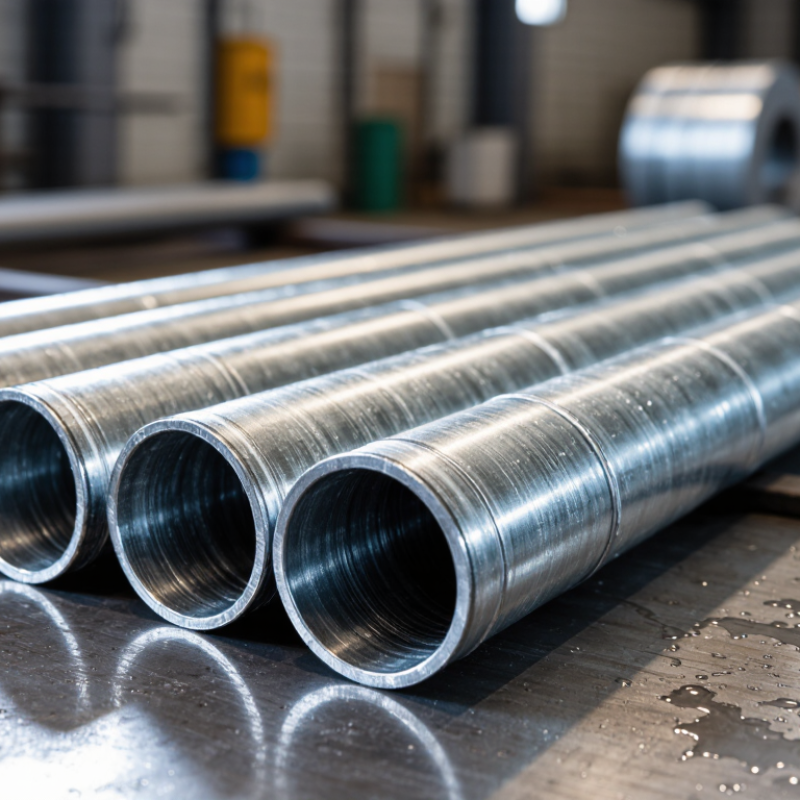
ERW galvanized pipe is made by rolling a flat steel strip into a tube and joining its edges with electric resistance welding. The longitudinal seam is compact, leaving a smooth, visible line along the pipe. The steel is then coated with zinc, commonly by hot-dip galvanizing, to slow rust when moisture reaches the surface. The result combines a welded steel tube with a protective coating; it is not solid zinc.

The zinc layer acts as a barrier and can also protect small exposed areas through sacrificial action. NACE International’s 2016 IMPACT study estimated that corrosion costs about US$2.5 trillion each year, roughly 3.4% of global GDP. That estimate covers many industries, not ERW pipe alone. Still, the word galvanized can conceal real differences: coating thickness, surface preparation, and weld quality all affect service life. A pipe’s appearance cannot confirm its performance.

Tips: Check the specification for coating mass, dimensions, and intended service. Look closely at cut ends and threaded areas, where coating may be damaged. For outdoor use, consider standing water, soil contact, and local exposure; zinc protection is not permanent. When requirements are unclear, ask for inspection records and clarify the test method before installation.

What Is ERW Galvanized Pipe and How Is It Used?

ERW (electric resistance welded) galvanized pipe is steel pipe formed from a flat strip, welded along its seam, and coated with zinc to help protect against corrosion. It is commonly used for water distribution, fencing, scaffolding, and other general-purpose applications.

Outside Diameter of Selected Standard Pipe Sizes

Nominal pipe size is a designation, not the measured outside diameter. The values shown are standard steel-pipe outside diameters for selected NPS sizes; actual suitability depends on the pipe specification, wall thickness, and application.

How ERW Galvanized Pipe Is Manufactured

ERW galvanized pipe starts as a flat steel coil. The line uncoils and levels it, then trims the edges for a consistent weld. Forming rolls gradually bend the strip into a tube. High-frequency electric current heats the edges, and pressure joins them without filler metal. The weld seam is trimmed before sizing rolls bring the pipe to its specified diameter. Small details matter. A slight edge mismatch can affect seam quality, so operators monitor forming and welding conditions closely.

Galvanizing may use pre-coated steel strip, but many lines coat the finished pipe. In that route, workers clean and pickle the surface, apply flux, then dip the pipe in molten zinc. The coating protects both the outer surface and, in suitable processes, the bore. Inspection can include dimensional checks, weld examination, and pressure testing, according to the applicable specification. ASTM A53/A53M covers welded steel pipe requirements, including galvanized pipe. The route is not perfectly uniform; coating sequence and tests vary by grade and intended service. World Steel Association’s World Steel in Figures 2025 reports 1,882.6 million tonnes of crude steel production worldwide in 2024. That figure covers all crude steel, not ERW pipe specifically, but it shows the scale of the material supply behind pipe manufacturing.

How the Galvanized Coating Protects the Pipe

ERW galvanized pipe is made by forming steel strip into a tube and joining its edges with an electric-resistance weld. A zinc coating is then applied to help limit corrosion. It creates a physical barrier between steel and moisture, oxygen, and other corrosive elements. Small scratches do not always expose the steel to immediate rust.

Zinc can also corrode in preference to the underlying steel near minor damage, offering a degree of sacrificial protection. That protection has limits. Deep cuts, damaged weld areas, or prolonged contact with standing water can still lead to rust. On a job site, freshly cut ends deserve attention; they are easy to overlook beside the coated pipe surface. Coating thickness and application quality also affect performance.

Not a perfect shield.

The coating is useful for water lines, fencing, and structural applications, but suitability depends on the fluid and surrounding conditions. Salt-laden air and some chemical environments can shorten its service life. Inspecting for blisters, bare spots, and red rust helps reveal problems early. Handle and store pipe carefully, since dragging sections across concrete can scrape the zinc. The right protection for cut ends depends on the project’s specifications and exposure conditions.

Key Properties and Types of ERW Galvanized Pipe

ERW galvanized pipe is formed from rolled steel strip, joined by electric resistance welding, then coated with zinc. Its key features are a continuous weld seam, standardized dimensions, and a protective surface that slows atmospheric corrosion. ASTM A53/A53M covers electric-resistance-welded pipe in Grades A and B, with nominal sizes from NPS 1/8 to NPS 26. These details help buyers compare specifications, but the standard’s scope does not mean every size or grade suits every service. Check wall thickness, pressure rating, and the project’s applicable requirements.

Types vary by grade, dimensions, coating, and end finish. Common options include hot-dip galvanized pipe with plain ends or threaded ends and couplings. Threaded joints can simplify installation, though damaged zinc near cut or threaded areas needs attention. The World Steel Association’s World Steel in Figures 2024 reports global crude-steel production of 1,892.2 million tonnes in 2023. That scale signals broad steel availability, not uniform pipe quality. Inspect coating continuity and weld condition; a bright surface alone proves little. One caveat: galvanized coating can wear or corrode in aggressive environments, so confirm suitability for the actual exposure.

Common Uses Across Industries

ERW galvanized pipe is made by forming steel strip into a tube, welding the seam, and applying a zinc coating. Its balance of strength, availability, and corrosion resistance makes it useful across many industries. The coating helps protect against moisture, but it does not make the pipe immune to rust, especially where cuts or damaged areas remain exposed.

In construction, crews use it for railings, fence frames, posts, and other supports. The pipe’s straight sections are easy to measure and connect on site. Agricultural operations may use it for greenhouse frames, livestock enclosures, and selected irrigation lines. Fit matters. Pipe size, wall thickness, and water conditions affect service life, so irrigation layouts should account for pressure and corrosion risks.

Factories and utility facilities use galvanized pipe for certain low-pressure water lines, guards, and structural supports. In plumbing or fire-protection systems, suitability depends on the system design, applicable requirements, and the pipe’s specified rating. It should not be selected by appearance alone. A bright zinc surface can hide a poor fit for a wet, chemical, or high-temperature environment. That distinction matters. Inspectors and installers should check threaded ends, joints, and coating damage; small flaws can become early corrosion points.

What Is ERW Galvanized Pipe and How Is It Used? - Common Uses Across Industries

Industry Common Application Why ERW Galvanized Pipe Is Used Practical Considerations
Construction Temporary scaffolding, guardrails, and general-purpose frames The steel tube provides structural support, while the zinc coating helps limit corrosion during outdoor exposure. Use pipe and fittings designed for the intended load and application. Inspect for damage, corrosion, or deformation before use.
Agriculture Greenhouse frames, livestock enclosures, and farm gates Galvanized surfaces can offer practical corrosion protection in many outdoor farm settings. Coating life depends on exposure, soil contact, moisture, and maintenance. Select suitable dimensions and connection methods for the structure.
Fencing and security Fence posts, rails, and barrier frames Steel pipe is durable and can be cut and assembled into rigid fence systems; galvanizing helps protect exposed surfaces. Buried sections and cut ends may be more vulnerable to corrosion. Use appropriate installation and touch-up practices where required.
Manufacturing and workshops Machine guards, equipment frames, racks, and work-area barriers ERW pipe is produced with a longitudinal welded seam and is commonly available in a range of sizes for fabrication. Confirm the required dimensions, wall thickness, material grade, and weld quality for the design and service conditions.
Commercial buildings Handrails, supports, and non-critical utility or service frames The combination of steel strength and a protective zinc coating suits many indoor and sheltered applications. For handrails and other regulated installations, follow applicable building codes and use components that meet the project specification.
Water and irrigation systems Selected agricultural or general-service water lines Galvanized steel pipe may be used in certain water applications where the pipe specification and operating conditions are suitable. Check local plumbing rules, water chemistry, pressure rating, and compatibility. Do not assume galvanized pipe is approved for potable water in every location.
Transportation and storage Material-handling frames, protective barriers, and storage racks Steel tubing can provide a rigid framework, and galvanizing can help protect against ordinary atmospheric corrosion. Assess loads, impact risks, and the environment. Chemical exposure, standing water, or abrasion may require a different material or protective system.

Overview: ERW (electric resistance welded) galvanized pipe is steel pipe formed from strip and joined along a longitudinal seam, then coated with zinc for corrosion protection. Suitability depends on the pipe specification, coating, environment, and applicable codes.

Go to Top