High Pressure Ball Valve Top Tips for Buyers to Consider
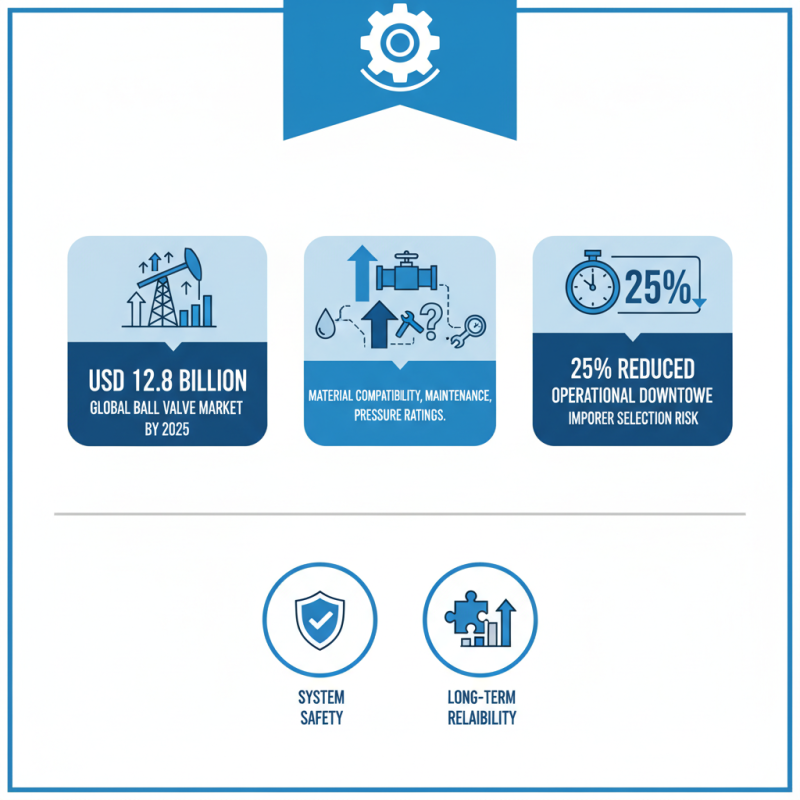
When looking for a High Pressure Ball Valve, buyers must navigate a complex market. According to a report by MarketsandMarkets, the global ball valve market is expected to reach USD 12.8 billion by 2025, driven by increasing demand in oil and gas production. This growing trend raises questions about valve reliability and performance under extreme conditions.
Selection criteria for High Pressure Ball Valves should include material compatibility, maintenance needs, and operational pressure ratings. The right choice can minimize system failures. However, many buyers overlook these factors, leading to costly mistakes. Understanding valve specifications is crucial for maintaining system safety and efficiency.
Additionally, a survey by Research and Markets highlights that improper valve selection can increase operational downtime by up to 25%. This emphasizes the need for informed decision-making. Ensuring high-quality valve performance is non-negotiable in industries relying on pressure control. For optimal results, buyers should consider both effectiveness and long-term reliability in their purchasing choices.
Understanding High Pressure Ball Valves: Key Features to Look For
When purchasing high pressure ball valves, understanding their key features is crucial. High pressure ball valves operate under extreme conditions, often exceeding 1000 psi. They are designed to offer robust sealing and durability. A critical factor is the material construction. Stainless steel is prevalent for its corrosion resistance and strength. In contrast, PVC valves serve specific applications but lack the same durability under high pressure.
Tip: Always assess valve ratings. Select valves rated for higher pressures than your application requires. This ensures longevity and reliability.
Another essential aspect is the valve's connection type. Options include flanged, threaded, or welding. Each connection type comes with advantages, depending on the installation environment. A flanged valve may offer easier maintenance, while threaded installations can save space.
Tip: Review installation space before choosing valve types. Measure angles and clearance to avoid complications.
Sealing methods also play a significant role in performance. PTFE seals are common for their chemical resistance. However, they can wear out under high pressure. Advanced designs with double sealing features enhance safety and prevent leakage.
Tip: Focus on the maintenance schedule. Regular checks can extend the life of the valves significantly. Research indicates that preventive maintenance can increase operating efficiency by up to 30%.
Material Considerations for High Pressure Ball Valves: Which is Best?
When selecting a high-pressure ball valve, material choice is crucial. The valve material directly impacts performance and longevity. Stainless steel is often favored for its corrosion resistance and strength. However, it may not always be the best option in highly abrasive environments. Sometimes, a specialized alloy or coating offers superior protection.
Consider the operating temperature and pressure. Plastics like PVC can handle certain pressures but may fail under extreme heat. In contrast, metals excel in higher temperature scenarios. Yet, weight considerations also come into play. Heavy materials might complicate installation and maintenance processes.
Ultimately, assessing the application and environment is essential. Sometimes, compromise is necessary. A material that works in one situation may not perform well in another. Finding a balance between cost, durability, and suitability requires careful thought. Engaging with industry experts can provide insights into the best choices based on real-world conditions.
Pressure Ratings and Specifications: Ensuring Optimal Performance
When selecting a high pressure ball valve, pressure ratings and specifications are crucial. Understanding the valve's pressure rating helps ensure safety and efficiency. A valve should meet the specific demands of your system. Common pressure ratings include ANSI, PN, and ISO standards. Each rating corresponds to the valve's capability to withstand pressure without leakage or failure.
Evaluate the material of the valve as well. The right material ensures durability and compatibility with your media. Stainless steel is widely used for its resistance to corrosion. However, it may not be ideal in all situations. Some environments demand special alloys to maintain integrity under extreme conditions. Always consider temperature and chemical exposure when making your choice.
Additionally, users often overlook the importance of valve size. Proper sizing is essential for optimal flow and performance. An oversized valve can lead to inefficient operation, while an undersized valve may cause failures. A bit of research is necessary to determine the right specifications, as poor choices can lead to significant issues down the line. Understanding these factors can enhance reliability and longevity in your applications.
High Pressure Ball Valve Pressure Ratings Comparison
Selecting the Right Size and Connection Types for Your Application
When selecting high-pressure ball valves, size and connection types are crucial. The valve must match your piping system's specifications. Incorrect sizing can lead to inefficiencies and potential failures. Measure the pipe diameter accurately. Then, consider the pressure and flow rates. A mismatch here can result in increased wear and tear.
Connection types are equally important. Common options include threaded, flanged, and welded connections. Each connection type has its own advantages and limitations. Ensure compatibility with existing systems to avoid leaks. Keep in mind that installation can be complex. Seek experienced professionals for guidance.
Tips: Always account for future system changes. Choosing a versatile valve can save costs in the long run. Consider the operating environment as well. High temperatures or corrosive materials may influence your decision. Balancing these factors will enhance reliability and performance.
Maintenance Tips for Prolonging the Life of High Pressure Ball Valves
Maintaining high pressure ball valves is crucial for their longevity and performance. Regular maintenance can reduce breakdowns and enhance operational efficiency. According to industry reports, proper upkeep can extend the lifespan of valves by 30% or more. This is significant when considering the cost of replacement.
Ensure valves are cleaned regularly to remove debris. Dirt can hinder performance. A simple wash with water and a mild detergent often suffices. Inspect seals frequently for wear and tear. Replacing them on time avoids costly leaks. Remember, a small issue can escalate into a major failure.
Creating and following a maintenance schedule is essential. This can include periodic checks every six months. Documenting your inspections fosters accountability. It also helps identify patterns in wear or failure. Investing in quality tools for this task will pay off in the long run.
Overlooking these aspects may lead to failures that can disrupt operations. Careful attention ensures that your high pressure ball valves operate efficiently and reliably for years.