Essential PCBA Testing Tips for Global Buyers
In the ever-evolving world of electronics, effective PCBA testing is critical for global buyers. Renowned expert Dr. Emily Chen, a leading figure in the PCBA testing industry, emphasizes, "Quality assurance in PCBA testing is not optional; it's essential." This statement reflects the high stakes involved in ensuring that products meet safety and performance standards.
For many companies, navigating the complexities of PCBA testing can be daunting. The variety of testing methods available, such as functional testing and automated optical inspection, can overwhelm decision-makers. Each method has its advantages and drawbacks. Companies may rush to choose a method without fully understanding its implications.
Moreover, consistency and precision are vital in testing. A single error during PCBA testing can lead to product recalls or safety hazards. Failing to invest in thorough testing processes may seem cost-effective initially, but the long-term repercussions can be severe. Buyers must prioritize choosing the right partners who understand these nuances and the importance of comprehensive testing in the production line.

Understanding PCBA Testing Methods for Quality Assurance
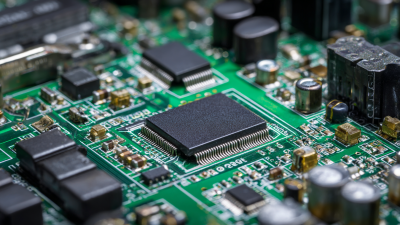
PCBA testing is crucial for ensuring quality in electronic manufacturing. Buyers must familiarize themselves with various testing methods to make informed decisions. The IPC-A-610 standard, widely recognized in the industry, outlines acceptable quality levels for PCBAs. According to a 2021 study by Prismark Partners, approximately 30% of PCBA defects arise from manufacturing processes. This figure highlights the need for rigorous testing protocols.
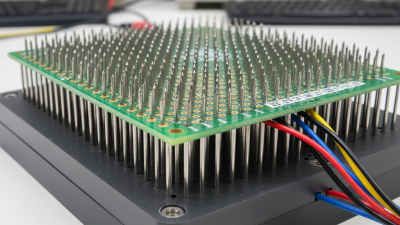
Functional testing is one of the most effective ways to assess the performance of a PCBA. It checks whether the assembly operates as intended. In contrast, X-ray inspection examines solder joints. This method is particularly useful for detecting hidden defects, as many connections are not visible. A report from the Electronic Industry Citizenship Coalition indicates that insufficient testing can lead to a 15% increase in warranty costs.
While these methods provide significant benefits, they are not flawless. For example, functional testing may overlook intermittent faults. On the other hand, X-ray inspection can be costly and time-consuming. Buyers should balance cost and efficacy when selecting testing methods. Regular evaluations and updates to testing processes can address these shortcomings, enhancing overall product reliability.
Key Considerations for Global Buyers in PCBA Testing
When engaging in PCBA testing, global buyers must prioritize specific considerations to ensure quality and reliability. Understanding regional standards is essential. Different countries may have unique compliance regulations. Awareness of these standards helps avoid costly errors. Establish clear communication with testing partners. This ensures that all parties are aligned on expectations and requirements.
Testing methods and technologies can vary widely. Not all processes suit every product. Advanced technologies can improve accuracy, but might increase costs. Balancing quality with budget constraints is crucial. Employing a phased approach to testing might reveal issues early, allowing for timely adjustments.
Documentation is another vital aspect. Comprehensive records protect buyers from potential disputes. Proper documentation enhances trust between manufacturers and buyers. Regular audits and reviews help maintain standards. A culture of continuous improvement is beneficial. It’s not simply about meeting requirements; it’s about striving for excellence. Buyers should always reflect on their practices and remain open to feedback.
Common Challenges in PCBA Testing and How to Overcome Them
In the world of PCBA testing, global buyers face numerous challenges. One common issue is the lack of consistency in testing methods across different manufacturers. According to a 2022 report by IPC, 42% of companies reported varying test results due to these inconsistencies. This can lead to costly delays and production inefficiencies.
Effective communication between buyers and manufacturers can greatly improve testing outcomes. It’s essential to establish detailed testing protocols upfront. Sharing specific criteria ensures that both parties have clear expectations. Regular updates and adjustments during the testing phase can also help address unforeseen issues. This approach fosters collaboration, which is crucial for achieving reliable results.
Another challenge is the integration of advanced testing technologies. Many companies struggle to keep up with the latest techniques, such as automated optical inspection and X-ray inspection. In fact, a survey by TechInsights revealed that 35% of firms are still using outdated testing methods. Embracing new technology can significantly enhance accuracy and efficiency in tests. For those hesitant to upgrade, starting with small pilot projects can be a practical way to assess the benefits of new methodologies.
Best Practices for Conducting Effective PCBA Testing
Conducting effective PCBA testing is crucial for ensuring product reliability. Start by establishing a clear testing plan. Define objectives and choose methodologies that suit your specific needs. Some buyers overlook the importance of aligning tests with end-user expectations. Ensure tests are relevant and reflect real-world conditions. This alignment helps identify potential issues early in the process.
When executing tests, document everything thoroughly. Provide details on test conditions and results. Relying solely on automated systems can lead to oversight. Human checks are essential in spotting errors that machines may miss. Consider the limitations of your testing environment. Sometimes, the equipment may not fully replicate operational conditions. This gap can lead to unexpected product failures later.
Communication is also key. Engage with your testers and share feedback. A collaborative approach can uncover insights that improve processes. Recognize that testing is not a one-size-fits-all endeavor. Frequent reviews of testing protocols can highlight areas for improvement. Be open to refining methods based on past experiences. This reflection fosters innovation and ensures that testing evolves with technology and market demands.
Essential Tools and Technologies for Accurate PCBA Testing
Effective PCBA testing relies on the right tools and technologies to ensure quality and reliability. One of the most crucial technologies is Automated Optical Inspection (AOI). According to a recent industry report, over 70% of manufacturers now employ AOI systems. These systems allow for high-speed visual inspection of solder joints and component placements, highlighting defects that manual inspections may miss. Though highly effective, reliance solely on AOI can lead to overlooked issues, especially in complex assemblies.
Functional testing tools are equally important. These tools evaluate the electronic performance of the assembled boards. Approximately 65% of companies integrate functional testing into their processes to identify operational faults. However, achieving accurate results depends on well-calibrated equipment. If the calibration is off, it can result in false positives or negatives, prompting unnecessary rework. A balance between various testing methods is essential for reliable outcomes.
Incorporating X-ray inspection offers deep insights into hidden defects such as voids in solder joints. This method is becoming a preferred choice for 58% of global manufacturers, reflecting its growing significance. Yet, the complexity and cost of X-ray equipment can be a challenge for smaller companies. This disparity exemplifies the ongoing struggle for optimization in the PCBA testing landscape. Proper tool selection, combined with an awareness of limitations, remains key to successful PCBA testing.