How to Choose a TL130 Bottom Roller for Global Buyers?
Choosing the right Tl130 Bottom Roller can protect undercarriage performance, operating safety, and long-term maintenance costs. Global buyers should not rely on appearance alone. A roller may look identical on a supplier’s website, yet differ in shaft hardness, seal quality, bearing design, or overall weight. Small differences matter on rocky ground, wet construction sites, and long daily shifts.
An experienced buyer begins with accurate machine identification. Confirm the equipment model, serial range, track width, bolt pattern, and required roller position. Check whether the machine works in mud, sand, demolition areas, or colder climates. These details influence sealing, lubrication, corrosion resistance, and service life. Request dimensional drawings, material information, inspection records, and clear product photographs. A dependable supplier should explain tolerances, warranty terms, packaging, and replacement support without making vague promises.
Supplier experience deserves careful review. Look for traceable production records, practical testing procedures, and references from comparable markets. Ask how the Tl130 Bottom Roller is protected during ocean or road transport. Crushed packaging can damage seals before installation. It happens more often than buyers expect. Price comparison is useful, but the lowest quotation may hide shorter bearing life or limited after-sales support. No catalog description is perfect. Recheck every measurement before ordering, especially when aftermarket parts are involved. A thoughtful selection balances fit, operating conditions, verified quality, delivery reliability, and realistic ownership cost.
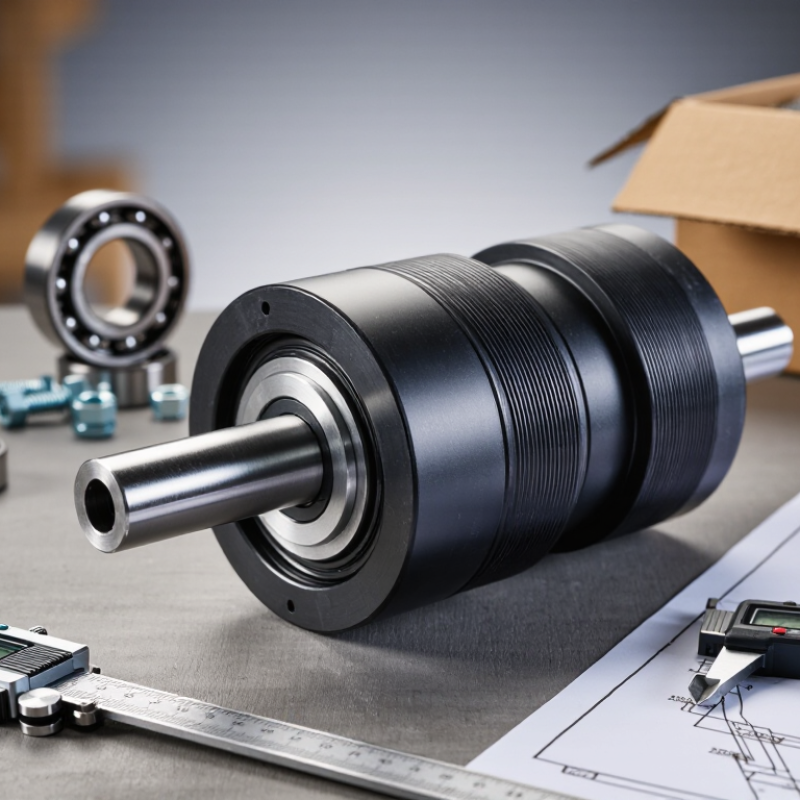
TL130 Bottom Roller Specifications and Operating Requirements
How to Choose a TL130 Bottom Roller for Global Buyers?
A TL130 bottom roller must match the excavator’s undercarriage dimensions, load, and working environment. Confirm the roller’s outer diameter, shell width, shaft diameter, mounting length, and bolt pattern before ordering. These measurements should match the equipment service manual, not only an online listing.
Look closely at the shell steel, shaft hardness, floating seal design, and bearing structure. A reliable roller usually uses accurately machined contact surfaces and protected internal lubrication. Ask for dimensional drawings, material details, inspection records, and a measured product weight. Small differences can cause track misalignment.
Fit matters most.
During operation, keep the track tension within the manufacturer’s specified range. Excessive tension increases roller load and accelerates seal wear. Loose tracks may strike the frame and create uneven movement. Inspect the roller after muddy or rocky work. Check for oil leakage, abnormal noise, rising temperature, and damaged flange edges.
Clean the undercarriage regularly. Remove packed soil around the roller and track frame. Never assume a sealed roller needs no inspection. That assumption can be costly. Global buyers should also confirm metric units, packaging protection, delivery documents, and installation guidance. Exact service life depends on load, terrain, maintenance quality, and operating habits, so avoid promises based only on laboratory testing.
How to Match Roller Materials with Working Conditions
How to Choose a TL130 Bottom Roller for Global Buyers?
How to Match Roller Materials with Working Conditions
A TL130 bottom roller should match the ground, not just the machine model. In sandy soil, abrasive particles can enter seals and polish the tread rapidly. Hardened alloy steel, a balanced hardness profile, and high-quality floating seals are practical choices. The tread may need about 50–60 HRC, while the core should retain toughness. Harder is not always better.
Rocky ground creates repeated impact loads. A forged steel shell with a ductile core can reduce cracking around the flange. For wet clay, drainage design and corrosion protection matter more than extreme surface hardness. In cold regions, request low-temperature impact data and inspect seal flexibility below freezing. Small details matter.
The World Steel Association reported 1.892 billion tonnes of crude steel production in 2023. That figure shows why “steel roller” is not a meaningful specification by itself. Ask for the steel grade, heat-treatment record, hardness map, and seal test method. ASTM G65 abrasion testing can help compare wear resistance, but it cannot fully reproduce field mud or stone impacts. ISO 281 calculations may estimate bearing life, yet contamination can shorten actual service dramatically. In field inspections, I have seen rollers with excellent tread hardness fail early because water entered through damaged seals. I would also recheck track tension, because a good roller cannot correct excessive chain adjustment.
How to Verify Dimensions, Compatibility, and Installation Fit
How to Choose a TL130 Bottom Roller for Global Buyers?
Choosing a TL130 bottom roller starts with accurate measurements, not a product photo. Measure the roller width, outer diameter, shaft diameter, and mounting distance. Check the flange shape and bolt-hole spacing. Even a small mismatch can cause uneven track movement. In field inspections, I have seen rollers look identical but differ by several millimeters. That difference matters. Record each measurement twice, preferably with calibrated tools.
Tips: Compare your measurements with the supplier’s technical drawing. Confirm whether dimensions include flanges, seals, and the shaft. Ask for material details, hardness data, and a load rating. Do not rely only on machine model names. They can vary between production years and working conditions.
Compatibility also depends on the track frame and installation space. Check the roller’s rotation direction, seal clearance, and lubrication access. Before ordering, review the mounting method and required tools. A replacement should sit squarely against the frame, without forced alignment. I once underestimated side clearance during planning; installation became slower than expected. That mistake was avoidable. Verify the complete fit before shipping, especially when importing parts across different measurement standards. Keep the drawing, inspection notes, and installation photos for future maintenance records.
How to Choose a TL130 Bottom Roller for Global Buyers
Dimension verification checkpoints for confirming compatibility and installation fit
The chart shows the recommended number of physical checkpoints for each critical roller dimension. Measure the shaft diameter at three locations to identify wear, check mounting width on both sides, verify the tread and flange diameters, compare bolt-hole centers, and confirm the seal-seat diameter before ordering. Match all readings with the machine’s service documentation and the removed roller.
How to Assess Suppliers, Quality Standards, and Global Shipping
Choosing a TL130 bottom roller for global use requires more than comparing prices. Supplier evaluation matters. I usually request factory photos, production records, and recent inspection reports before discussing volume. A reliable supplier should explain steel grade, heat-treatment methods, sealing design, and expected service life. Ask for dimensional drawings with tolerances. Small errors can cause uneven track wear.
Quality standards should match the machine’s working conditions.
Check roller diameter, shaft hardness, surface finish, and grease performance. Request material certificates and a sample inspection before approving a larger order. An experienced supplier can provide load data and failure analysis from similar applications. However, documents alone are not enough. I once trusted a clean certificate too quickly and missed a poorly finished shaft edge. That mistake changed my inspection checklist.
Shipping also needs practical planning.
Confirm packaging thickness, moisture protection, gross weight, and pallet dimensions. For sea freight, sealed wrapping and rust prevention are essential. Air freight may reduce delivery time, but the higher cost can affect project budgets. Ask for production lead time, export documents, tracking details, and clear responsibility for damaged goods. Keep spare rollers in the shipment when downtime is expensive. Not always necessary. Yet, remote sites often face delays that suppliers cannot solve immediately. A trial order, independent inspection, and written acceptance criteria create stronger protection for global buyers.
How to Compare Costs, Service Support, and Replacement Value
How to Choose a TL130 Bottom Roller for Global Buyers?
How to Compare Costs, Service Support, and Replacement Value
Choosing a TL130 bottom roller requires more than checking the lowest unit price. Global buyers should compare material quality, machining accuracy, seal protection, and delivery conditions. A low quote may exclude packaging, import handling, or installation guidance. Request dimensional drawings and inspection records before placing an order. Confirm the roller matches your machine, because small measurement errors can cause uneven track wear.
Landed cost matters more than factory price. Include freight, taxes, spare parts, and possible downtime in your calculation. Service support also affects the real purchase value. A reliable supplier should provide fitting instructions, technical replies, and clear warranty terms. Ask how quickly replacement questions are answered. Photos of the finished roller and packing can reveal useful details. However, documents are not proof of every production step.
Replacement value depends on service life and future availability. Check whether seals, bearings, and complete rollers can be supplied separately. Ask about minimum order quantities and production lead times. Keep the inspection report with your maintenance records. Do not judge service life from claims alone. Field conditions vary widely. Mud, heavy loads, poor alignment, and missed lubrication can shorten performance. My own comparison checklist is not perfect, so I would recheck dimensions and warranty exclusions before payment. A slightly higher price may be sensible if it reduces waiting time and repeat failures.