
What Are the Top 10 Toilet Paper Roll Raw Materials?

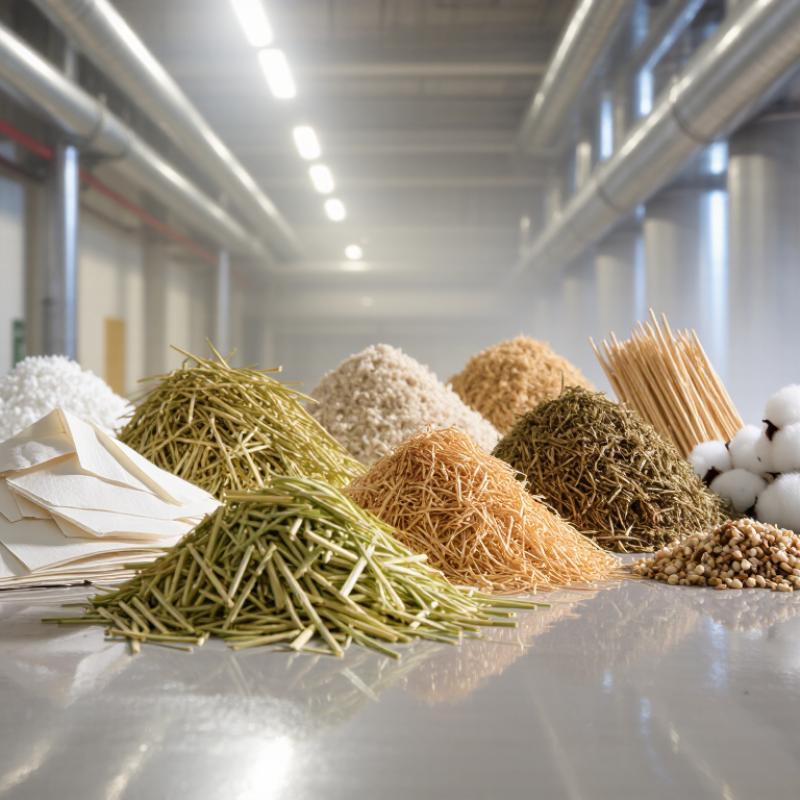
Choosing toilet paper raw materials is more complex than comparing softness or price. A finished roll reflects fiber quality, water use, processing methods, and supplier consistency. In this guide, we examine the top ten materials used to produce dependable toilet tissue. These include virgin wood pulp, recycled paper, bamboo, bagasse, wheat straw, hemp, kenaf, cotton linters, agricultural residues, and blended fibers.

Small choices matter.

From practical manufacturing experience, fiber length strongly affects strength and formation. Short fibers can create a smooth sheet, but excessive amounts may reduce durability. Longer fibers often improve tensile performance, especially when the paper becomes wet. Brightness, absorbency, softness, and dust levels also require careful testing. A reliable producer checks pulp cleanliness, moisture content, drainage behavior, and finished-roll performance before approving a supplier.

The term Roll Raw Material Toilet Paper may sound simple, yet it covers a wide technical field. Different materials suit different production systems, regional resources, and sustainability goals. Recycled fiber may support circular sourcing, while bamboo or agricultural fibers can reduce dependence on traditional wood pulp. However, environmental claims need evidence. Water consumption, bleaching processes, transport distance, and certification records should be reviewed together.

Not every material performs equally.

This article compares each option through practical criteria, including softness, strength, cost, availability, environmental impact, and processing difficulty. It also highlights trade-offs that product buyers sometimes overlook. A material may appear sustainable but require complex treatment. Another may feel premium but carry higher supply risks. The rankings are therefore a useful guide, not an absolute rule. Performance should always be confirmed through laboratory testing and controlled production trials.
What Are the Top 10 Toilet Paper Roll Raw Materials?

What Defines a Toilet Paper Roll Raw Material?

A toilet paper roll raw material is the fiber source used to form tissue paper. It must support softness, absorbency, cleanliness, and enough strength for converting.

The material may come from hardwood pulp, softwood pulp, recycled paper, bamboo, bagasse, wheat straw, rice straw, hemp, kenaf, or cotton linters.

These ten sources are not equal. Fiber length, purity, moisture, and refining behavior can change the final roll.

In practical sourcing, raw material quality begins with traceability. Suppliers should identify the fiber source, bleaching process, recycled content, and storage conditions.

Clean virgin pulp often provides a bright, soft sheet. Recycled fiber can reduce resource use, but it may contain shorter fibers and require careful de-inking.

Agricultural fibers offer useful alternatives, yet their ash, odor, and seasonal consistency need testing. Bamboo sounds naturally superior, but processing quality still determines performance.

A reliable evaluation combines laboratory data with machine trials. Test absorbency, tensile strength, dust, softness, and microbiological safety.

Examine the sheet after winding, perforation, and storage. Small differences become obvious in a finished roll.

Cost alone is a weak measure. The cheapest fiber may create breaks, lint, or unstable production.

A ranking of the top ten materials is therefore never absolute. It depends on product purpose, local supply, equipment, and environmental requirements.

Some assumptions deserve another look. Sustainable sourcing is important, but verified performance matters too.

The Top 10 Raw Materials Used in Toilet Paper Rolls

What Are the Top 10 Toilet Paper Roll Raw Materials?

The top 10 raw materials used in toilet paper rolls vary by region, cost, and softness goals. Virgin softwood pulp provides long fibers and stronger sheets. Hardwood pulp adds smoothness and a softer touch. Recycled de-inked paper supports resource recovery, although its fibers are shorter. Bamboo pulp offers a fast-growing fiber option. Bagasse pulp comes from sugarcane residue and can reduce agricultural waste. Wheat straw pulp uses another crop by-product. Hemp pulp is durable, but its supply remains limited. Kenaf pulp has useful strength and may suit blended tissues. Cotton linters create soft, absorbent fibers, though they are less common. Process water is also essential for fiber mixing, cleaning, and sheet formation.

In production trials, fiber blending usually matters more than one material alone. A mill may combine hardwood and softwood pulp for softness with dependable strength. Recycled content can change color, odor, and surface feel. That is not automatically a defect. It requires careful screening and quality checks. Tissue performance also depends on refining, moisture control, creping, and embossing. My practical view is imperfect: a “greener” fiber is not always better if transport, water use, or processing becomes excessive.

Tips: Check fiber origin, recycled content, brightness, absorbency, and wet strength. Ask for test data, not just sustainability claims. Compare samples under real bathroom conditions. A sheet that feels soft may tear too quickly. A stronger sheet may feel rough. Balance matters.

What Are the Top 10 Toilet Paper Roll Raw Materials? - The Top 10 Raw Materials Used in Toilet Paper Rolls

No. Raw Material Material Category Typical Source Primary Function in Toilet Tissue Key Performance Contribution Sustainability Considerations
1 Virgin Softwood Pulp Wood-derived cellulose fiber Managed softwood trees such as spruce, pine, and fir Provides long cellulose fibers for tissue formation High tensile strength, softness, and sheet durability Responsible forestry certification and efficient pulping help reduce environmental impact
2 Virgin Hardwood Pulp Wood-derived cellulose fiber Hardwood species such as eucalyptus, birch, and acacia Adds short, fine fibers to the tissue furnish Improves softness, smoothness, formation, and absorbency Fast-growing certified hardwoods can support efficient land use, subject to local forestry practices
3 Recycled Paper Fiber Recovered cellulose fiber Recovered office paper, newspapers, cartons, and other recyclable paper grades Supplies recycled fiber for tissue production Supports resource efficiency while providing acceptable softness and strength when properly processed Reduces demand for virgin fiber; deinking, screening, and hygiene controls are required
4 Bamboo Pulp Non-wood cellulose fiber Cultivated bamboo processed into chemical or mechanical pulp Acts as the main fiber or a blend component in tissue sheets Good fiber strength, absorbency, and a smooth hand feel Regrowth can be rapid, but cultivation, processing chemicals, and land management remain important factors
5 Bagasse Pulp Agricultural-residue cellulose fiber Fibrous residue remaining after sugarcane juice extraction Provides an alternative non-wood fiber for tissue manufacture Lightweight structure, absorbency, and adequate sheet formation when refined correctly Uses an existing agricultural by-product and can reduce reliance on wood fiber
6 Wheat Straw Pulp Agricultural-residue cellulose fiber Wheat stalks left after grain harvesting Serves as a non-wood fiber source, usually in blended or specialized products Contributes absorbency and bulk; fiber quality depends on cleaning and pulping Valorizes crop residue, although collection, silica content, and wastewater treatment must be managed
7 Hemp Pulp Non-wood bast and hurd fiber Industrial hemp stalks processed into cellulose pulp Used as a specialty or blended fiber in tissue materials Can provide strength, absorbency, and distinctive fiber bulk Often requires fewer agricultural inputs than some conventional crops, but availability and processing infrastructure vary
8 Process Water Manufacturing process input Fresh water and treated process water used in stock preparation Disperses fibers, transports pulp, and enables sheet formation Controls fiber distribution, drainage, consistency, and final sheet quality Closed-loop systems, water recycling, and effective effluent treatment reduce consumption and discharge
9 Starch-Based Strength Agent Functional papermaking additive Modified starch or other cellulose-compatible starch materials Improves bonding between fibers during sheet formation Enhances dry strength, handling performance, and resistance to tearing Renewable and biodegradable options are available; dosage must be controlled to preserve softness
10 Softening and Debonding Agents Functional tissue additive Specialty surfactants, lotions, or debonders formulated for tissue applications Reduces fiber-to-fiber bonding and improves surface feel Increases softness, flexibility, and consumer comfort Should be selected for skin compatibility, regulatory compliance, biodegradability, and low environmental persistence

Note: The actual material mix varies by product grade, recycled-fiber content, manufacturing technology, and regional regulations. Most toilet tissue is primarily cellulose fiber, while additives are used in relatively small quantities to adjust softness, strength, absorbency, and processing performance.

How Each Raw Material Affects Softness, Strength, and Absorbency

Toilet paper performance begins with fiber selection. Virgin softwood pulp adds long fibers, improving strength and sheet integrity. Virgin hardwood pulp uses shorter fibers, creating a smoother, softer surface. Recycled deinked pulp lowers stiffness, but repeated processing can reduce fiber bonding. It may also introduce slight shade variation. Bamboo offers a balanced profile, with reasonable softness and tensile strength. Bagasse feels gentle, yet often needs refining for better wet strength.

Wheat straw and rice straw can improve bulk and absorbency because their fibers form a more open structure. However, agricultural residues may create roughness if cleaning is incomplete. Kenaf provides useful tensile strength, though supply consistency remains a practical concern. Hemp contains strong fibers and can support durable tissue, but excessive stiffness may reduce comfort. Flax is highly strong, yet its coarse fiber character usually requires careful blending. The “top” material is rarely the strongest one.

Industry data supports this blended approach. CEPI’s 2023 Key Statistics reported a 79.3% paper recycling rate in Europe, confirming recycled fiber’s continuing industrial relevance. Recent tissue-market analyses from Smithers also identify softness, absorbency, and resource efficiency as major purchasing drivers. Laboratory results can mislead. A fiber that absorbs rapidly may feel harsh, while an extremely soft sheet may tear during use. TAPPI tissue testing methods help compare tensile strength, bulk, and water absorption, but household experience still depends on refining, creping, and fiber ratios.

Sustainability and Processing Methods of Toilet Paper Materials

What Are the Top 10 Toilet Paper Roll Raw Materials?

Sustainability and processing methods vary across the ten main raw materials used in toilet paper. They include virgin softwood pulp, hardwood pulp, recycled office paper, old corrugated containers, deinked pulp, bamboo, bagasse, wheat straw, hemp, and kenaf. Virgin fibers provide softness and strength. Recycled fibers reduce dependence on fresh timber, but they often produce shorter fibers and a rougher surface.

The FAO reported global pulp production at roughly 190 million tonnes in 2022. This scale makes fiber sourcing important. Kraft pulping separates cellulose from wood through heat and chemicals. Deinking uses screening, flotation, washing, and controlled bleaching. Agricultural fibers usually need extra cleaning because they contain ash, waxes, and uneven particles. Bamboo and bagasse can be pulped efficiently, but local water and energy systems affect their real environmental value.

Processing does not end with pulping. Refining adjusts fiber bonding, while creping creates softness and stretch. Through-air drying can improve bulk, yet it may consume considerable energy. CEPI reported a European paper recycling rate near 80% in 2022, although tissue recycling remains technically difficult because used tissue is contaminated and fiber-shortened. Recycling is not automatically greener. I still question simple claims that replace one material with another. A mill should measure water use, energy demand, fiber yield, bleaching load, and transport distance together. Small process changes matter: cleaner recovered paper, closed-loop water systems, and lower-temperature drying can reduce waste without sacrificing everyday performance.

How to Choose the Right Raw Material for Toilet Paper Production

What Are the Top 10 Toilet Paper Roll Raw Materials?

Choosing the right raw material requires more than comparing purchase prices. Common options include softwood pulp, hardwood pulp, recycled office paper, deinked pulp, bamboo, bagasse, wheat straw, hemp, kenaf, and cotton linters. Softwood pulp improves strength, while hardwood pulp usually creates a smoother surface. Recycled pulp can reduce virgin fiber demand, but it may bring darker color, odor, dust, or weaker wet performance. CEPI’s Key Statistics 2023 reported a 79.3% paper recycling rate in Europe during 2022. FAO’s Forestry Production and Trade database recorded global paper and paperboard production above 400 million tonnes in 2022. These figures show scale, but not every recycled fiber suits tissue production.

Tips: Test each furnish on the actual machine. Measure tensile strength, softness, absorbency, drainage, bulk, and lint. Check moisture and contamination before pulping. A bright sheet is not automatically a better sheet. I would also question certificates without traceable records.

Mill experience often reveals the difficult trade-offs. Bamboo and agricultural residues may support fiber diversification, but supply consistency can be uneven. Bagasse may need careful washing and storage. Cotton linters can offer softness, yet their price and availability may fluctuate. Recycled fiber works well in some grades, but excessive refining can increase energy use and reduce drainage. ISO 12625 tissue testing methods help compare these properties consistently. The practical choice depends on local water quality, equipment, energy prices, customer expectations, and required roll strength. There is no universal winner.

What Are the Top 10 Toilet Paper Roll Raw Materials?

This chart compares typical fiber-length ranges used when evaluating toilet paper pulp materials. Longer fibers generally improve tensile strength, while shorter fibers can contribute to softness and smoothness. Actual performance depends on refining, blending, and processing conditions.

Typical fiber-length ranges are approximate and may vary by species, pulping method, recycled content, and preparation quality. In practice, tissue manufacturers often blend multiple fiber types to balance softness, strength, absorbency, cost, and sustainability.

Go to Top