Top 10 Factors Influencing 40ft Refrigerated Container Price?
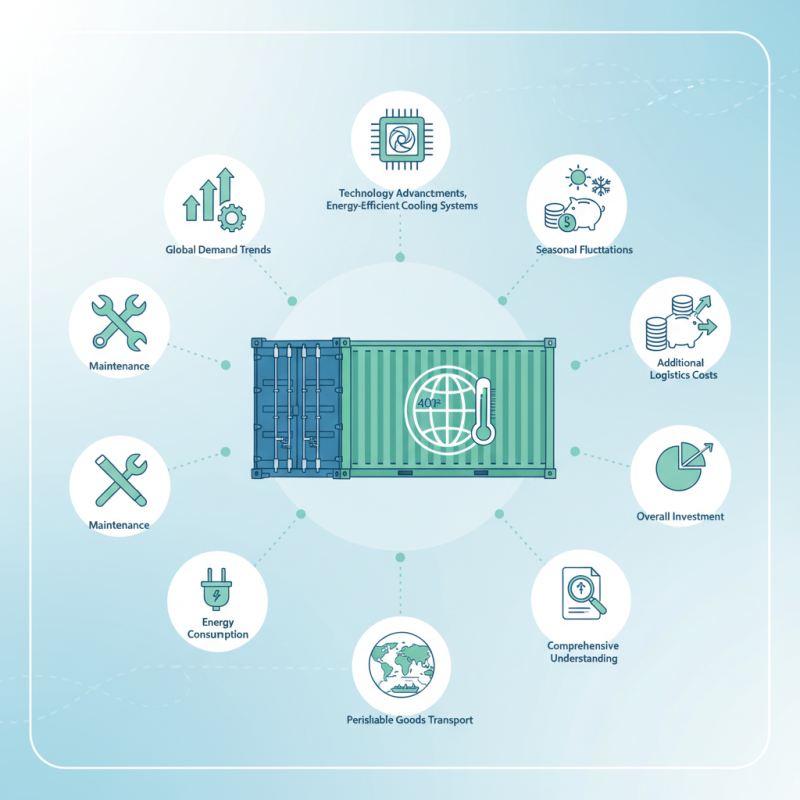
The price of a 40ft refrigerated container hinges on various critical factors. Demand trends in global shipping significantly impact these prices. According to a recent report by the International Maritime Organization, the refrigerated container market has seen a steady increase in demand, driven by the global surge in perishable goods transport.
Numerous variables influence the 40ft Refrigerated Container Price. These include manufacturing costs, technology advancements, and even seasonal fluctuations. Market data indicates that the adoption of energy-efficient cooling systems has raised initial prices, but ultimately delivers long-term savings.
However, buyers must also consider hidden expenses. Additional logistics costs, maintenance, and energy consumption can skew the overall investment. Thus, gaining a comprehensive understanding of what drives the 40ft refrigerated container price is essential for making informed decisions in this evolving market.
Factors Related to Container Size and Specifications
When considering a 40ft refrigerated container, size and specifications play a crucial role in determining its price. The dimensions directly influence the overall storage capacity. A larger volume often accommodates more goods, raising the demand and, consequently, the cost. For instance, the necessity of extra space for perishable items can increase the container price significantly.
Temperature control specifications are essential too. Some containers maintain a temperature range suitable for specific products. Advanced cooling systems tend to increase the base price. Remember, different insulation qualities also impact cost. Better insulation materials can lower energy consumption but raise initial expenses.
Tips: Consider your actual needs regarding size and temperature range before making a decision. A slightly larger container might save costs in the long run. Always check if the insulation meets your product's requirements to avoid potential losses. Reflect on your choices, as the cheapest option may not be the best long-term investment.
Impact of Refrigeration Technology on Pricing
Refrigeration technology plays a pivotal role in determining the price of 40ft refrigerated containers. Advanced cooling systems enhance temperature control. They reduce energy consumption, which can significantly decrease operational costs. According to the World Shipping Council, refrigerated containers are increasingly favored for transporting perishable goods. Demand is climbing for energy-efficient models equipped with cutting-edge technology.
Investing in modern refrigeration can lead to long-term savings. A recent report indicated that systems using eco-friendly refrigerants are not only better for the environment but also provide cost benefits. However, high initial costs can be a barrier for some businesses. This prompts a need for careful consideration when selecting equipment.
Tips: Consider the total cost of ownership, not just the upfront price. Evaluate energy efficiency ratings and maintenance requirements. Seek expert advice to navigate options available in the market. Informing decisions with solid data is crucial for sustainable investment. Keep in mind that balancing initial costs with future savings is essential for profitability.
Market Demand and Supply Dynamics for Refrigerated Containers
The market demand for refrigerated containers plays a crucial role in determining their price. As global trade grows, so does the need for these containers. They transport perishable goods efficiently across long distances. Seasonal variations can impact demand sharply. For instance, warmer months often see a surge in demand. This seasonal demand can drive prices higher.
Supply dynamics also influence pricing. Manufacturers face challenges, like supply chain disruptions. These can include material shortages or production delays. Such issues contribute to fluctuating prices. Additionally, technological advancements may require investments. Companies must balance these costs against market prices. The interplay of demand and supply highlights an ongoing puzzle for buyers and sellers.
Market trends shift rapidly. Experts encourage companies to stay informed. Monitoring both local and global demand is vital. This helps businesses make strategic decisions. Evaluating supply chain resilience can reveal potential weaknesses. A comprehensive approach can mitigate risks and capitalize on opportunities within the refrigerated container market.
Top 10 Factors Influencing 40ft Refrigerated Container Price
| Factor | Description | Impact Level (1-5) |
| Market Demand | Higher demand for refrigerated transport due to global trade. | 5 |
| Supply Chain Disruptions | Delays and shortages in components affect availability. | 4 |
| Fuel Prices | Increased fuel costs raise overall operational expenses. | 4 |
| Technological Advances | Improved efficiency and features in container design. | 3 |
| Regulatory Changes | New regulations can affect production and operational costs. | 4 |
| Seasonal Trends | Demand fluctuations based on seasonality in produce transport. | 3 |
| Container Age | Older containers may cost less but may have higher maintenance costs. | 2 |
| Global Trade Policies | Tariffs and trade agreements impact container costs. | 3 |
| Competition | Market competition influences pricing strategies. | 4 |
| Manufacturing Costs | Raw material prices and production efficiency affect costs. | 5 |
Geographical Location and Shipping Routes Influencing Costs
Geographical location plays a crucial role in determining the price of 40ft refrigerated containers. For instance, containers shipped to remote areas often incur higher costs. This is due to increased transportation expenses and limited access to reliable infrastructure. The distance from major ports can significantly affect pricing. Areas that are farther away from gateways may face additional fees.
Moreover, shipping routes can impact the final cost of refrigerated containers. Certain routes may experience congestion or delays. These logistics challenges can lead to increased transit times, which may require additional costs for temperature controls and monitoring. Natural disasters or geopolitical tensions can further disrupt established shipping lanes, leading to unpredictable price fluctuations.
It is important to consider these factors when assessing container prices. Relying on a single shipping route may not always be the best choice. Diversifying routes or planning for potential disruptions can help manage costs effectively. Evaluating geographical influences and shipping pathways allows for better budgeting and planning in the cold chain logistics sector.
Maintenance and Lifespan Considerations for Refrigerated Containers
When it comes to refrigerated containers, maintenance plays a vital role in how long these assets last. Regular inspections are essential. The machinery inside needs attention, especially the compressor and condenser. Neglected equipment can lead to breakdowns. A breakdown often means delays in delivery. Adjusting the temperature settings improperly can spoil valuable cargo. Schedule consistent maintenance checks to catch issues early.
The lifespan of a refrigerated container can vary significantly. Factors include usage patterns, environmental conditions, and upkeep. A well-maintained container can last over 20 years. However, those exposed to extreme temperatures may degrade faster. Rust could also become an issue. Operators often overlook this, but it has major implications. Staying attentive to minor details, like seals and hinges, can improve overall functionality.
Additionally, investing in proper care saves money in the long term. Repair costs can quickly add up. Ignoring small issues can result in larger problems, creating a cycle of expense. Developing a responsible maintenance plan is crucial. Foster a habit of proactive care. This not only extends the container's lifespan but also ensures consistent performance. In the end, a dedicated approach to maintenance is necessary for operational success.