Top PCB Test Fixture Kit Options to Enhance Your Testing Efficiency?
In the realm of electronics, efficiency is key to successful testing. A high-quality pcb test fixture kit can significantly improve your testing process. These kits are vital for ensuring precision in various electronic applications. They enhance the accuracy of measurements and reduce potential errors during testing.
The right pcb test fixture kit can streamline workflows. It minimizes the time spent on setup and maximizes productivity. Moreover, investing in a good kit reflects a commitment to quality. However, not all kits are equal; some may lack versatility or robustness. Choosing the wrong fixture can lead to costly mistakes.
Understanding the nuances of different kits is essential. A professional approach ensures you select a kit that meets your specific needs. Look for kits that offer various adaptabilities and robust construction. Reflecting on your requirements can enhance your testing efficiency and improve overall outcomes. Balancing quality and cost is a challenge that demands careful consideration.
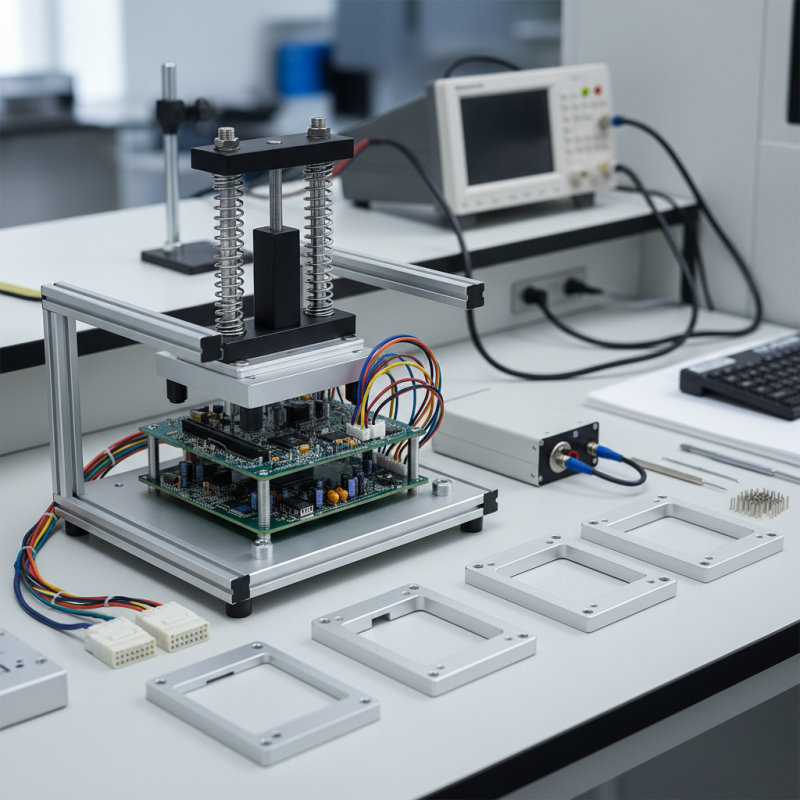
Overview of PCB Test Fixtures and Their Importance in Testing
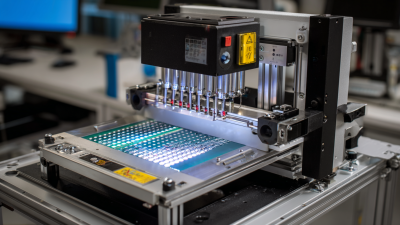
PCB test fixtures play a crucial role in the testing process of printed circuit boards. They provide a stable and repeatable way to secure the PCB during assessments. This stability is essential for achieving accurate measurements and reliable test results. A well-designed fixture minimizes movement and ensures that connections are consistent. Without this, testing can yield unreliable data, leading to potential failures in the final product.
These fixtures also allow for quicker testing cycles. When a PCB is properly secured, technicians can focus on their analysis rather than adjusting the board repeatedly. However, the design and setup of a testing fixture require careful consideration. Not all designs fit every type of PCB. It’s common for engineers to face challenges in achieving the perfect fit, which can lead to inefficiencies. Testing equipment must be versatile, but it should also align with specific testing needs.
Moreover, the quality of test fixtures directly impacts the overall reliability of the PCB manufacturing process. Poorly designed fixtures can cause stress points on the board. This might not only affect testing results but also result in damaged components. Engineers must reflect on their fixture choices, ensuring they meet both current and future testing requirements.
Top PCB Test Fixture Kit Options to Enhance Your Testing Efficiency
Key Features to Consider When Selecting PCB Test Fixture Kits
When selecting PCB test fixture kits, several key features can significantly impact your testing efficiency.
Durability is crucial.
High-quality materials ensure that the fixtures withstand repeated use. This is particularly important when extensive testing is required.
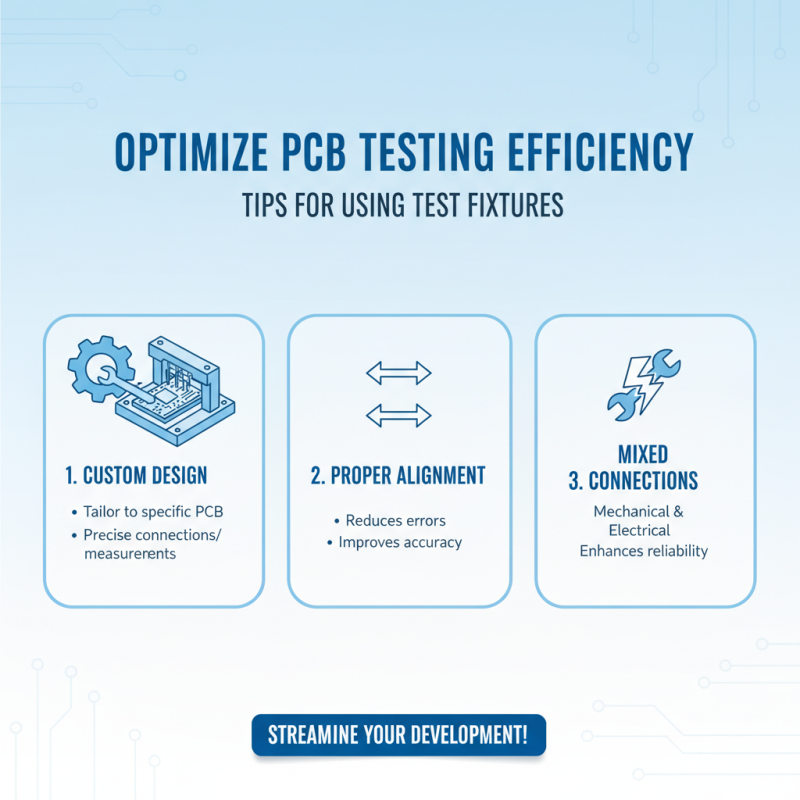
Consider the ease of customization as well. The ability to modify fixtures quickly saves time and enhances flexibility during testing processes.
Another important aspect is the alignment capabilities of the fixture. Proper alignment ensures consistent and accurate results.
Without it, errors can lead to costly rework. Look for fixtures that support various PCB sizes and types too.
This versatility can streamline operations, especially in diverse production environments.
Additionally, check for ergonomic designs that simplify setup and operation. A user-friendly fixture reduces the chance of user errors, yet many still overlook this feature.
Lastly, think about compatibility with testing equipment. Ensuring that your fixture works seamlessly with existing tools can prevent downtime.
Some fixtures may not universally support all testing methods or devices.
It’s essential to evaluate how the fixture integrates into your current workflow.
This reflection can prevent future frustrations and inefficiencies, guiding you toward a more effective testing strategy.
Top Recommended PCB Test Fixture Kits for Various Applications
When it comes to PCB test fixtures, choosing the right kit can greatly enhance testing efficiency. Many industry reports highlight that efficient testing can reduce product time-to-market by up to 30%. A well-designed test fixture kit allows engineers to perform accurate measurements. With a variety of options available, each application can demand different features.
For high-speed digital applications, fixture kits that accommodate high-frequency signals are essential. Specialized jigs can reduce signal interference, making them crucial for performance testing. Meanwhile, in automotive applications, rugged test fixtures that withstand harsh environments are necessary. In a recent survey, 40% of engineering teams reported difficulties with fixture durability in challenging conditions.
Cost-effectiveness is another concern. Many companies struggle with high initial investments in test fixtures. While investing in reliable kits is critical, engineers must weigh the long-term benefits against upfront costs. Some reports indicate that organizations can save 20% in operational costs by utilizing modular fixtures that can adapt to multiple test types. This adaptability is vital for evolving production needs. Thus, engineers often reflect on their choices to ensure they select the most suitable and sustainable options.
Best Practices for Maintaining and Storing PCB Test Fixtures
Maintaining and storing PCB test fixtures properly can significantly enhance
testing efficiency. Regular cleaning is crucial. Dust and debris can affect accuracy.
Make sure to use non-abrasive materials. A gentle cloth can go a long way. Additionally, examining connectors for wear and tear helps prolong the life of your fixtures.
Replace damaged components promptly.
Temperature and humidity play vital roles in storage conditions. Ideal storage typically involves a controlled environment.
Excessive heat can warp delicate parts. Too much moisture can lead to rust. A sealed, dry container can provide protection against these elements.
Labeling different fixtures also aids in quick identification, reducing setup time.
Periodic inspections can catch issues early. Look for misalignments or loose fittings. Document any changes in performance. This practice helps in refining
your testing process over time. Consider user feedback when assessing fixture performance. Embracing both successes and challenges leads to better practices.