What Are Wholesale Bags for Chemicals Used For?
Wholesale Bags For Chemicals are designed to move, store, and protect chemical products across industrial supply chains. They may hold powders, granules, crystals, liquids, or blended materials. Their structure varies with product behavior. A bag for dry pigments needs different protection than one for moisture-sensitive salts.
Packaging expert Walter Soroka wrote, “Packaging is the science, art, and technology of enclosing and protecting products for distribution, storage, sale, and use.” This idea remains practical in chemical packaging. A suitable wholesale bag can reduce moisture exposure, dust release, contamination, and handling damage. It may include polyethylene liners, woven polypropylene layers, barrier films, or reinforced lifting loops. Small details matter. A weak seam can disrupt an entire shipment.
However, no bag is universally safe for every chemical. Buyers must review compatibility data, product specifications, safety data sheets, and required transport standards. They should also confirm filling weight, closure design, storage temperature, and stacking conditions. The wrong material can become brittle, absorb moisture, or react unexpectedly. That risk is easy to underestimate.
This article examines what Wholesale Bags For Chemicals are used for in real operations. It considers manufacturing, agriculture, water treatment, construction, and laboratory supply chains. It also questions a common assumption: stronger packaging is not always better packaging. Cost, handling, recyclability, and worker safety must be balanced. Reliable selection begins with verified specifications, practical testing, and advice from qualified packaging professionals.
What Are Wholesale Chemical Bags?
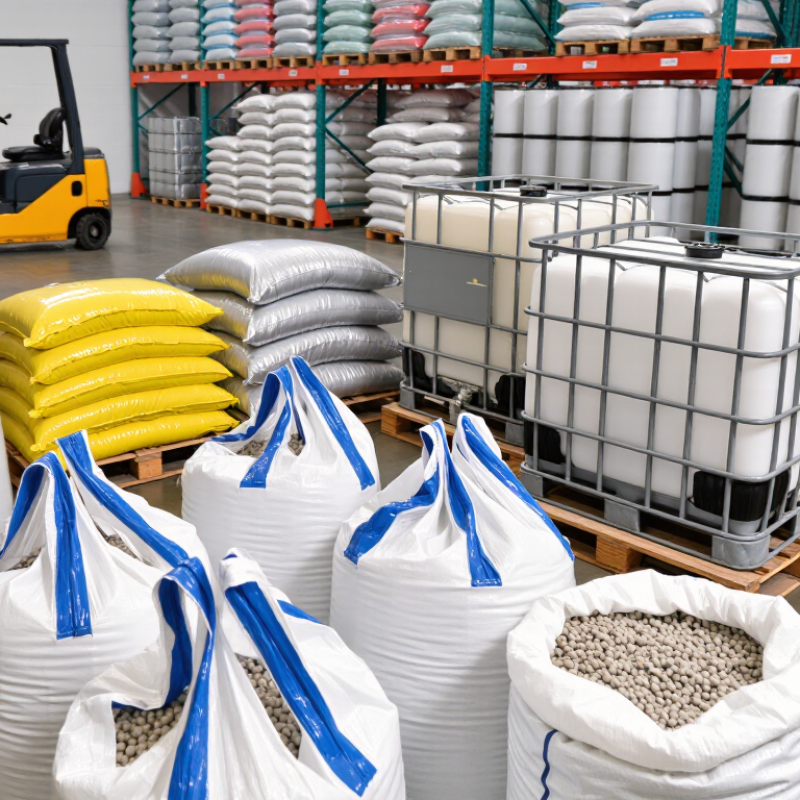
Wholesale chemical bags are industrial containers designed for powders, granules, crystals, and selected liquid materials. Common formats include woven polypropylene sacks, multiwall paper bags, polyethylene-lined bags, and flexible intermediate bulk containers. They support safe storage, forklift handling, and controlled discharge during manufacturing.
The right bag depends on the chemical’s moisture sensitivity, density, temperature, and compatibility. A calcium carbonate powder may need a strong woven sack with an inner liner. Hygroscopic materials often require sealed polyethylene protection. Reactive or classified substances demand documented testing and transport controls under the UN Recommendations on the Transport of Dangerous Goods. No single bag fits every chemical.
Scale matters. The United Nations Environment Programme expects global chemical production to nearly double by 2030. That growth increases demand for dependable wholesale chemical bags and better packaging decisions. The OECD reported that global plastic waste reached 353 million tonnes in 2019, with further growth projected by 2060. This makes reusable designs, recyclable structures, and reduced material use increasingly important. However, recyclability can conflict with barrier performance. That trade-off deserves honest review.
In practice, purchasers should request certificates, seam-strength results, liner specifications, and moisture testing. They should also confirm filling equipment and warehouse conditions. A bag that survives shipment may still fail beside a humid loading dock. Small details matter.
Which Chemicals Are Commonly Stored in These Bags?
Wholesale chemical bags are large, durable containers used to store and move dry powders, granules, and crystals. They are common in factories, warehouses, farms, and construction sites. Their woven fabric can support heavy loads, while inner liners help reduce moisture exposure and contamination. However, a strong-looking bag is not automatically chemical-resistant.
Many industries use these bags for calcium carbonate, sodium carbonate, citric acid, and powdered detergents. These materials appear in construction products, food processing, cleaning products, and manufacturing. Fertilizer ingredients, such as potassium sulfate and ammonium sulfate, are also commonly packed in bulk bags. Plastic pellets, mineral powders, pigments, and ceramic materials may use similar packaging. The correct choice depends on the chemical’s moisture sensitivity, particle size, temperature, and handling method.
Some chemicals require coated fabric or a sealed polyethylene liner. Others need breathable construction to prevent condensation. A qualified packaging specialist should check compatibility data before filling the bag. Operators should inspect seams, lifting loops, and discharge spouts for damage. Small tears can become serious during lifting. Labels should show the product name, batch details, weight, and handling warnings. It is easy to focus on capacity and overlook static control or grounding needs. That mistake can affect worker safety and product quality. Even experienced teams should review storage conditions regularly, because a bag suitable for dry storage may perform poorly in humid facilities.
How Do Chemical Bags Support Safe Handling and Transport?
Wholesale bags for chemicals are designed to make handling and transport more controlled. They may hold powders, granules, crystals, or other industrial materials. Common formats include woven sacks, multi-wall paper bags, and flexible bulk containers with protective liners. The correct choice depends on chemical compatibility, weight, moisture sensitivity, and dust behavior.
Safety begins with the bag material. A suitable liner can reduce contact with humidity and limit product leakage. Strong seams and secure closures help prevent spills during lifting, stacking, and vehicle movement. For hazardous substances, packaging should meet applicable performance standards and carry accurate labels. Workers should also check the safety data sheet before selecting or filling a bag.
Small details matter. Inspect each bag for tears, weak stitching, contamination, or damaged closures. Use pallets and stable stacking patterns to reduce crushing and tipping. Keep filled bags away from heat, water, and incompatible materials. Clean handling areas can also reduce dust exposure.
No bag is automatically safe. A package that works for one chemical may fail with another. This is where practical testing matters. Packaging teams should review supplier specifications, storage conditions, and transport risks before approval. In real workplaces, rushed loading can still cause problems. That deserves honest attention. Regular inspections and worker training help reveal weaknesses before a spill occurs.
What Features Make a Bag Suitable for Chemical Use?
Wholesale bags for chemicals must do more than hold a heavy load. They need to protect the material during filling, storage, transport, and discharge. In practical warehouse checks, the first concern is chemical compatibility. The fabric, coating, liner, thread, and closure should resist the specific chemical identified on its safety data sheet. A general-purpose bag may look strong, but appearance proves little.
Fit matters. A suitable bag has a tested load rating, reinforced seams, secure lifting loops, and a stable base. These features reduce tearing when forklifts or lifting frames move the bag. For powders that react with moisture, a sealed liner and reliable closure can limit humidity exposure. Some applications also require static-control materials and grounded handling procedures. Those choices depend on the chemical, equipment, and workplace risk assessment.
Traceability is another important feature. Clear batch records, inspection reports, and handling instructions help workers verify each shipment. Bags should arrive clean, dry, and free from damage. Small punctures can become serious during stacking. I have found that rushed visual inspections often miss weak stitching near the corners. No bag is perfect. Suppliers should provide compatibility data, capacity limits, and recommended handling methods instead of making vague claims. The specification may need revision after field feedback, especially when temperature, filling speed, or storage time differs from the original test conditions.
What Are Wholesale Bags for Chemicals Used For?
Chemical bags are used to store, transport, and handle powders, granules, crystals, and other dry chemical materials. Material compatibility, leak resistance, moisture protection, and mechanical strength are key selection factors.
The chart shows the approximate pH of selected 0.1 mol/L aqueous chemical solutions at around 25°C. Polypropylene and polyethylene bags are commonly considered for chemical packaging because of their chemical resistance, but the final bag structure must always be verified against the exact chemical, concentration, temperature, storage period, and applicable transport regulations.
Where Are Wholesale Chemical Bags Used?
Where Are Wholesale Chemical Bags Used?
Wholesale chemical bags support several stages of industrial supply chains. Manufacturers use them for powdered additives, pigments, resins, detergents, mineral products, and water-treatment materials. A typical warehouse may stack 25-kilogram bags on pallets, while larger operations use flexible intermediate bulk containers for higher volumes. Inner liners help reduce moisture exposure and contamination. Small details matter, especially when powder settles around a heat-sealed opening.
The chemical industry is enormous. The United Nations Environment Programme reported that global chemical sales reached approximately $5.7 trillion in 2017 and could nearly double by 2030. This growth increases demand for reliable bulk packaging across production plants, transport hubs, and storage facilities. Agriculture is another major application. Fertilizer producers and distributors use wholesale bags because farms need clean, measured, and manageable loads. The Food and Agriculture Organization reported global fertilizer use of about 185 million tonnes in 2021, showing the scale of this packaging requirement.
Construction and mining also depend on chemical bags for dry admixtures, processing agents, and mineral-based materials. Packaging choices vary with density, particle size, moisture sensitivity, and handling equipment. Bags intended for regulated materials must meet applicable transport and labeling requirements. A stronger bag is not automatically a safer bag. Poor stacking, damaged liners, or unclear labels can still create operational problems. In practice, packaging specifications should be tested against real warehouse conditions, not chosen from a catalog alone.