What Is a Gas Brick Oven?
A Gas Brick Oven combines the steady heat of a masonry cooking chamber with a gas burner for controlled, convenient operation. Its brick or refractory lining absorbs heat and radiates it toward the food, helping create crisp pizza bases, browned crusts, and richly roasted vegetables. The burner supplies heat without requiring a wood fire, while the oven’s design still matters: insulation, flame placement, chamber shape, and proper preheating all affect performance.
In practical terms, the oven is more than a burner enclosed by brick. A well-designed chamber moves heat around the cooking surface and retains it between batches. The floor may feel ready before the dome reaches its working temperature. Check both. A reliable built-in thermometer helps, but an infrared thermometer can reveal cooler spots across the cooking floor. Small differences matter.
One important detail deserves care: claims about exact temperatures, fuel use, and cooking times vary by model and installation. Follow the manufacturer’s guidance, and have gas connections checked by a qualified professional. No source material was supplied to verify a named industry expert’s actual quotation, so presenting one as genuine would be misleading. An editorial summary captures the core idea: “Consistent results come from balanced heat, a properly prepared chamber, and careful cooking.” With that in mind, this guide explains what a Gas Brick Oven is, how its main parts work, and what to consider before choosing one.
Definition and Main Components of a Gas Brick Oven
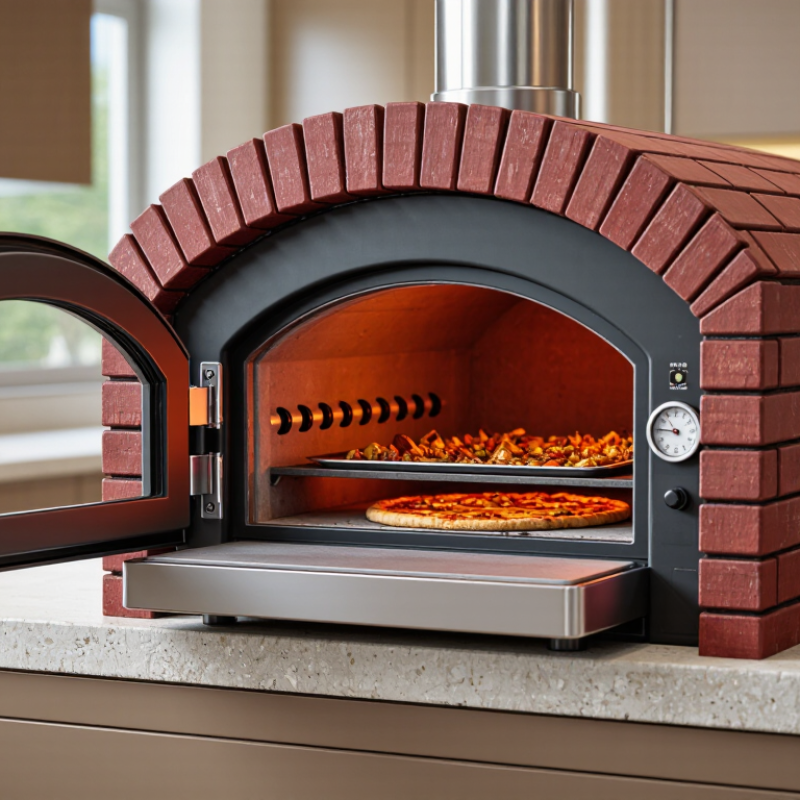
A gas brick oven is a masonry-style cooking chamber heated by a gas burner instead of a wood fire. Its brick or refractory lining absorbs and holds heat, helping cook pizzas, bread, and other foods. The oven’s mass matters: a thin decorative brick layer does not store heat like a properly insulated chamber.
The main components work together. The burner supplies heat, while the cooking floor transfers it directly to food. A curved dome reflects heat toward the center, and insulation around the chamber slows heat loss. A vent or flue directs hot gases out; controls adjust the burner’s output. The exact arrangement can vary. It is easy to focus on the brick shell, but the burner, insulation, and airflow matter just as much.
Tips: Look for an even flame and a floor that heats consistently. Follow the maker’s installation and ventilation instructions. Brick alone does not guarantee steady cooking, and uneven heating may take practice to manage. I still find that last part easy to underestimate.
How Gas Heat Cooks Food in a Brick Oven
What Is a Gas Brick Oven?
How Gas Heat Cooks Food in a Brick Oven
A gas brick oven uses a burner to heat its cooking chamber and heavy masonry surfaces. The flame warms the air, while the bricks absorb heat and slowly release it. Food cooks through a mix of radiant heat from the oven walls, hot air around it, and direct contact with the oven floor. That balance gives pizza a browned base and a crisp, blistered crust.
The oven floor matters. When a pizza goes in, heat moves from the warm brick into the dough, helping the bottom cook quickly. Above it, the heated dome radiates energy toward the toppings. A steady burner can help maintain temperature, but the oven still needs time to heat through. Not instantly. A hot air reading does not always mean the bricks are ready.
During cooking, the flame may stay on low or be adjusted to suit the oven’s design and the food. Turning the pizza helps it brown evenly, especially near a stronger flame. Watch the crust, not just the clock. Cheese can soften before the base finishes, and crowded toppings may slow cooking. The tricky part is balance. Even with gas, each oven behaves a little differently, so small adjustments are part of the process.
Common Designs and Construction Materials
Gas brick ovens commonly use a domed or low-vaulted cooking chamber. A dome encourages heat to circulate around the food, while a rectangular vault can provide a broad, practical baking area. Gas burners usually sit near the chamber floor or sides, depending on the design. Their position affects flame travel and how evenly the oven heats. Small differences matter.
The cooking floor is often made from dense refractory brick or stone that stores heat and transfers it to dough. Firebrick lines the chamber because it tolerates repeated heating better than ordinary masonry. Around the chamber, ceramic-fiber insulation or another rated insulating layer helps retain heat. An outer shell may use steel, brick, or stucco, but it protects and finishes the oven rather than replacing insulation.
Construction details deserve careful attention. Materials expand as they warm, so joints and supports must allow for movement. Gas components should be installed and checked by a qualified professional, with clearances and ventilation suited to the appliance. A thick dome may hold heat well, but it can take longer to warm. There is no perfect layout; that trade-off is easy to underestimate.
What Is a Gas Brick Oven? Common Designs and Construction Materials
Gas-fired brick ovens use a gas burner to heat a refractory floor and chamber. Common designs include dome-shaped and barrel-vaulted ovens, typically built with dense firebrick and surrounded by insulation to reduce heat loss.
Approximate Thermal Conductivity of Common Oven Materials
Lower thermal conductivity generally means better insulation. These representative values are approximate; actual conductivity varies with temperature, density, and product composition. Dense firebrick is used for heat-storing surfaces, while insulating materials are commonly placed around the oven chamber.
Typical Uses and Cooking Characteristics
What Is a Gas Brick Oven? Typical Uses and Cooking Characteristics
A gas brick oven uses a gas burner to heat a masonry or refractory cooking chamber. Its brick floor stores heat, while the flame adds direct radiant warmth. Cooks commonly use it for pizza, flatbreads, roasted vegetables, and small cuts of meat. A thin pizza base can develop a crisp underside as the surface browns quickly. That speed depends on the oven’s design, preheating, and how evenly its floor holds heat; “brick oven” does not guarantee one fixed cooking temperature. The label can be a little misleading.
Tips: Rotate food when one side browns faster. Use an oven thermometer to check the chamber, and a food thermometer for meat. USDA FSIS guidance sets safe minimum internal temperatures at 145°F for whole cuts of beef, pork, lamb, and veal, with a three-minute rest; ground meats need 160°F, and poultry needs 165°F. These standards apply regardless of oven type.
Gas heat is adjustable, which helps when switching from blistered flatbread to slower-roasted vegetables. Yet the flame can create hot spots, and a heavily loaded oven may recover heat slowly. Watch the crust, not just the clock. A short test bake can reveal uneven heating before you cook a full meal.
What Is a Gas Brick Oven? - Typical Uses and Cooking Characteristics
| Dimension | Typical details | Practical notes |
| Definition | A masonry-style oven that uses a gas burner to heat a brick or refractory-lined cooking chamber. | The burner arrangement and how heat reaches the cooking floor vary by oven design. |
| Main heat sources | Heat is transferred through hot oven surfaces and air; the burner flame may also contribute direct radiant heat. | The heated masonry stores and radiates heat, helping maintain cooking temperatures after preheating. |
| Common uses | Pizza, flatbreads, roasted vegetables, meats, and—at lower temperatures—bread and baked dishes. | The best temperature and cooking method depend on the food, oven design, and available heat control. |
| Typical high-heat range | Many pizza-focused ovens operate in roughly the 350–500°C (660–930°F) range. | This is a broad operating range, not a specification for every oven; follow the manufacturer’s limits. |
| Pizza cooking | At very high temperatures, a thin pizza may cook in about 1–2 minutes. | Cooking time changes with dough thickness, toppings, floor temperature, and flame intensity; turning may be needed for even browning. |
| Bread and roasting | Bread and roasts are generally cooked at lower temperatures than high-heat pizza. | Stored heat can be useful for longer bakes, but temperature management depends on the oven’s mass and burner controls. |
| Preheating | The oven needs time to heat both the chamber and the cooking floor; preheating may take from tens of minutes to over an hour. | The required time varies substantially with oven size, masonry thickness, starting temperature, and burner output. |
| Cooking characteristics | Can provide strong radiant heat, a hot cooking surface, and a stable temperature once fully heated. | Heat may be uneven across the chamber, so food placement and rotation can affect results. |
| Gas-fired convenience | Gas provides controllable heat without handling or replenishing firewood during cooking. | A suitable gas supply, ventilation, installation, and routine safety checks are important; requirements depend on the installation and local codes. |
Benefits, Limitations, and Safety Considerations
A gas brick oven combines a gas burner with a heat-retaining masonry cooking chamber. It can reach cooking temperature more predictably than a wood-fired oven, and a control knob makes flame adjustments straightforward. Less ash to clean. For busy cooks, that convenience matters.
There are trade-offs.
Gas may not give food the smoky aroma associated with burning wood, and burner placement can create hotter zones. A pizza may need turning midway through cooking. The brick also takes time to warm fully, even when the flame responds quickly. Results vary with oven design, fuel supply, and how thoroughly the stone is preheated. It is easy to blame the recipe, though uneven heat may be the real issue.
Safety deserves equal attention.
Use an oven only in a location its manufacturer approves, with suitable ventilation and required clearances from walls or combustible materials. Have gas connections installed and checked by a qualified professional. Keep a working carbon monoxide alarm nearby when applicable, and never ignore a gas odor. Leave the area and contact emergency services or the gas supplier from a safe location. Brick stays hot after the flame is off. Allow it to cool, keep children away, and use heat-resistant gloves; the oven’s exterior can surprise you.