How to Choose the Right Bed of Nails Test Fixture in 2026?
Choosing the right bed of nails test fixture in 2026 requires more than matching probe counts. It demands a clear understanding of board design, production speed, signal behavior, and maintenance realities. A fixture that works perfectly on a prototype may create delays on a high-volume line. Small differences matter. Probe force, pin spacing, access direction, and clamping accuracy can affect every test result.
Dr. Eric Bogatin, a respected signal-integrity expert, offers a useful principle: “The measurement is only as good as the setup.” That warning applies directly to every bed of nails test fixture. A poorly supported PCB can flex under pressure. Worn probes can introduce unstable contact resistance. Excessive force may damage delicate pads or connectors. These problems are easy to overlook during a short demonstration.
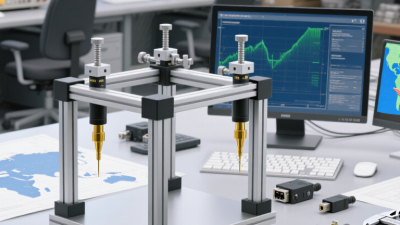
The best selection process begins with the actual product. Review test points, board thickness, component height, grounding needs, and expected throughput. Then compare pneumatic, vacuum, and manual actuation based on repeatability and operator workload. Consider replacement probe availability, fixture changeover time, safety features, and software integration. Reliable vendors should provide test data, drawings, service guidance, and realistic tolerances.
There is no universal winner.
A cheaper fixture may appear efficient, yet frequent probe replacement can erase the savings. A highly automated design may impress visitors, but it could be excessive for low-volume production. I have seen teams focus on initial price and regret ignoring maintenance access. The thoughtful choice balances electrical performance, mechanical stability, operator experience, and future product changes. In 2026, flexibility may matter more than impressive specifications.
Define the Purpose and Testing Requirements
Define the Purpose and Testing Requirements
A bed of nails fixture should begin with the test objective, not its price. Decide whether you need in-circuit testing, power-up verification, boundary checks, or simple continuity screening. Each purpose changes the probe layout, interface, safety controls, and software requirements. According to IPC’s 2024 Electronics Industry Impact Report, global electronics production exceeds 5 trillion dollars annually. That scale makes repeatable testing essential, but it does not justify testing everything.
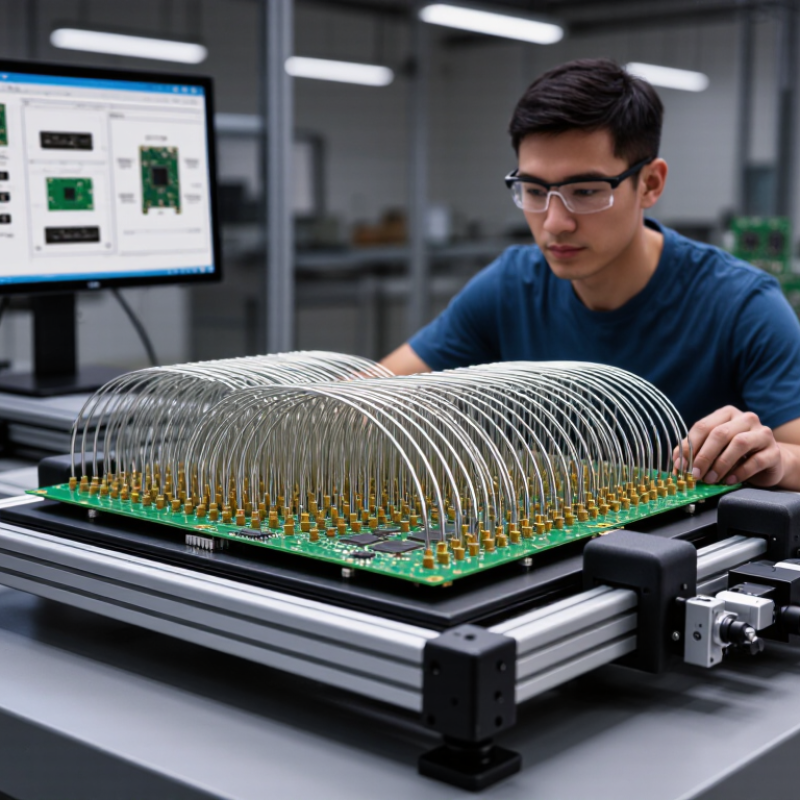
Measure the board carefully. Record test points, component heights, keep-out zones, connector locations, and expected production volume. A high-volume line may need pneumatic actuation and rapid changeover. A prototype bench may need a manual fixture with adjustable probing. Probe force also matters. Excessive force can mark solder masks or flex thin boards. Insufficient force creates intermittent readings.
Think about electrical limits. Define voltage, current, frequency, insulation, and grounding requirements before selecting materials. Industry test-equipment analyses continue to identify automation and traceability as major growth priorities, including a projected compound annual growth rate above 7% for automated test equipment through the decade. That figure is useful, but not universal.
I have seen teams over-specify fixtures for low-volume products. That choice wastes time and tooling budget. A cheaper fixture can also become expensive when revisions arrive. Leave room for engineering change. Test coverage may look excellent on paper, yet inaccessible points can weaken real fault detection. Recheck the requirement with actual boards, not only CAD files.
Compare Bed of Nails Fixture Types and Contact Methods
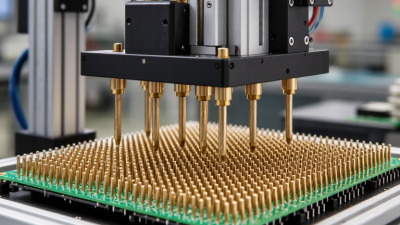
Choosing the right bed of nails fixture starts with the product, not the fixture catalog. A dedicated fixture suits stable, high-volume boards. Its probes match fixed test points accurately and reduce setup movement. A universal fixture uses adjustable pins, making it practical for prototypes and changing designs. However, adjustment takes time, and alignment can become inconsistent. Modular fixtures offer a useful middle ground. They simplify product changes while preserving repeatable positioning.
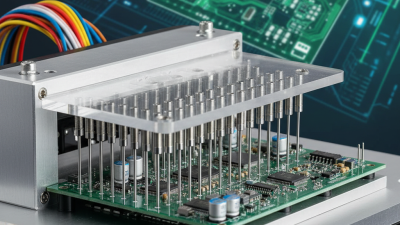
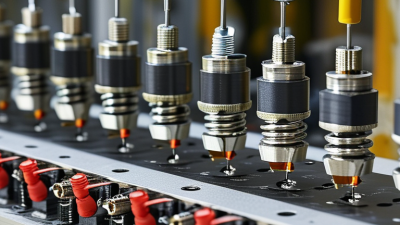
Contact method matters just as much. Spring-loaded probes handle plated test pads and provide reliable electrical contact during repeated cycles. Different probe tips suit flat pads, vias, or irregular surfaces. Sharp tips can remove light contamination, but excessive force may damage exposed copper. For fine-pitch or sensitive boards, controlled compression is safer. Pneumatic actuation can distribute pressure evenly across a larger board. Manual clamping costs less, yet operator technique may vary.
Test the contact force before production release. A fixture that feels firm may still create intermittent readings. High-speed signals also need short paths and careful grounding. I have seen failures caused by probe wear, not bad software. Replaceable probe modules help maintenance teams respond quickly. Vacuum fixtures can improve uniform pressure, though they add seals, pumps, and service points. No option is perfect. Recheck the design after several hundred cycles, because early assumptions often look weaker in real production.
Verify Safety, Automation Support, and Total Cost of Ownership
How to Choose the Right Bed of Nails Test Fixture in 2026?
A bed of nails fixture should protect people before it protects yield. The U.S. Bureau of Labor Statistics recorded about 2.6 million nonfatal private-industry injuries in 2023. That figure is not fixture-specific, but it reinforces a practical rule: guarded access, reliable interlocks, emergency stops, and low-voltage test controls deserve documented verification. Check probe travel, pneumatic force, sharp edges, and maintenance access. A fixture that passes electrical testing can still create a poor ergonomic risk.
Automation support now affects value more than many buyers expect. The International Federation of Robotics reported 541,302 industrial robots installed worldwide in 2023, a 10% annual increase. Your fixture should therefore support PLC signals, barcode or RFID identification, automatic test sequencing, and traceable results. Confirm communication protocols before purchase. Retrofitting them later can be awkward and costly. It is easy to overestimate future automation needs, too.
Tips: Calculate total cost of ownership over five years. Include probe replacement, calibration, spare plates, software licenses, training, changeover time, compressed air, and downtime. Compare seconds saved per unit, not only the initial quotation. Ask for maintenance records and a repeatability study. Cheap is often expensive. I would also leave budget for redesign; product revisions rarely respect the original fixture plan. Use IPC workmanship and test requirements as references, then document your own acceptance criteria with measured evidence.