Choosing the 2026 best semiconductor curve tracer requires more than comparing voltage ranges and display sizes. Semiconductor manufacturers now test faster switching devices, power modules, and sensitive compound materials. The equipment must reveal leakage, breakdown, gain, hysteresis, and thermal drift under controlled conditions.
The Semiconductor Industry Association reported global semiconductor sales of $627.6 billion in 2024, up 19.1% from 2023. WSTS forecast 2025 sales at approximately $697 billion. These figures signal wider testing demand, but market growth does not make every instrument suitable. A compact bench model may serve laboratory training. A high-current system may better support silicon carbide or gallium nitride development. Sometimes, the cheapest option creates expensive uncertainty.
Keithley semiconductor applications expert Bob Pease often emphasized a practical measurement discipline: “The circuit is the boss.” That principle matters when selecting a semiconductor curve tracer. Real devices can behave differently under pulsed and continuous stress. A neat graph may still hide contact resistance, fixture inductance, or temperature error.
This guide compares leading 2026 curve tracer types by electrical range, pulse capability, automation, safety features, software, calibration support, and long-term serviceability. It also considers operator experience, because confusing controls can damage a device or distort a result. Buyers should verify datasheet conditions carefully. Maximum ratings are not always usable test ratings.
The best choice depends on the device, not the brochure. Expect trade-offs.
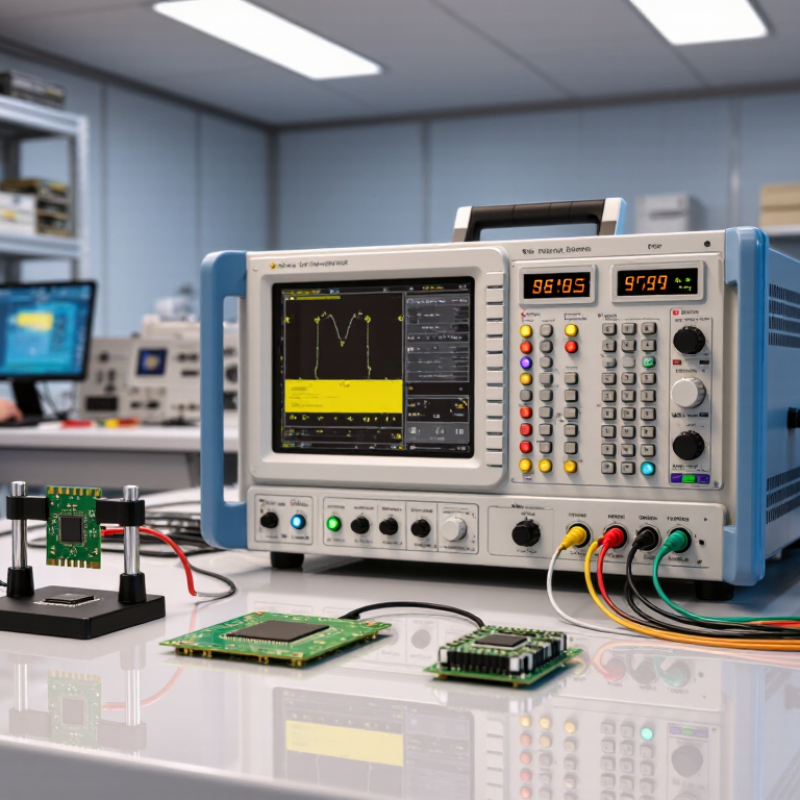
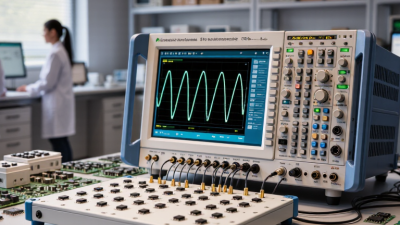
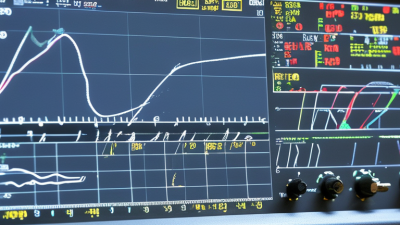
A semiconductor curve tracer is a test instrument that shows how a component responds to changing voltage and current. It generates controlled electrical sweeps, then plots the results as an I-V curve on a screen. Each curve reveals conduction, leakage, breakdown, gain, or abnormal behavior. The display turns invisible electrical behavior into a shape engineers can inspect.
For diodes, the trace shows forward conduction and reverse leakage. For bipolar transistors, several curves can compare collector current at different base currents. A MOSFET tracer displays drain current against drain-source voltage while stepping gate voltage. This makes threshold behavior and saturation easier to evaluate.
The operator connects the device, selects safe limits, and studies the graph. Small errors matter. Loose clips can create misleading curves.
In 2026, buyers should match the tracer type to their components and working habits. A basic manual tracer suits classroom checks and occasional repairs. A programmable tracer offers repeatable sweeps, data storage, and better comparison between samples. High-voltage models support power devices, but they demand careful isolation and disciplined procedures. A pulse-capable tracer can reduce heating during tests, which is useful for modern switching components.
More features are not always better. I have found that complicated menus can slow diagnosis, especially during fault tracing. Clear controls, current limiting, calibration access, and reliable measurement software often matter more than an impressive specification sheet.
A semiconductor curve tracer displays current-voltage behavior under controlled electrical stress. The basic diode curve tracer is suitable for checking forward voltage, leakage, and breakdown response. It works well for rectifiers, signal diodes, and protection components. Measurements become clearer when the test current changes in small, repeatable steps.
For bipolar transistors, a transistor curve tracer shows collector current across several base-current settings. This helps engineers inspect gain, saturation, cutoff, and early breakdown. MOSFET and IGBT curve tracers focus on drain current, gate voltage, threshold behavior, and switching limits. These instruments need careful pulse control because excessive heat can change the graph before testing finishes.
A benchtop automated parameter analyzer offers wider voltage and current ranges, scripted tests, and data export. It suits laboratories comparing production lots or characterizing new materials. Portable curve tracers are easier to carry and useful for field checks, but their measurement range is often narrower.
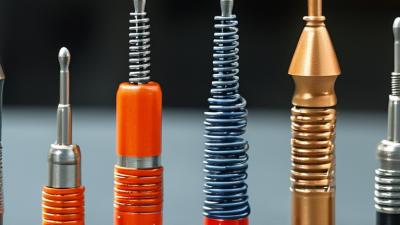
Check the compliance voltage, current resolution, pulse width, fixture quality, and safety interlocks before buying. Cheap fixtures can add contact resistance and distort low-current results.
No instrument is perfect. Real devices also vary with temperature, wiring, and previous electrical stress. A thermal chamber or external temperature sensor may reveal behavior that a quick room-temperature sweep misses. I would also question impressive software features if the calibration record is unclear.
Choosing a curve tracer requires more than comparing maximum voltage and current. WSTS projected global semiconductor sales at 611.2 billion dollars in 2024, with 16% annual growth. This expansion increases demand for repeatable device qualification and failure analysis. A benchtop tracer suits routine transistor checks. An SMU-based analyzer offers finer control for leakage and threshold measurements. High-current pulsed systems better represent power-device switching conditions. Measurement context matters.
Compare voltage range, current resolution, pulse width, sweep speed, and protection response. Reviewers should also examine calibration records and software traceability. A high specification can hide weak low-current accuracy. It happens. For power devices, check whether the instrument controls self-heating during long sweeps. SEMI’s industry forecasts continue to show strong investment in advanced fabs, but laboratory budgets rarely grow at the same pace. Therefore, flexible fixtures and automated test sequences may deliver more value than extreme output ratings.
Tips: Use a reference diode and a known transistor during acceptance testing. Record ten repeated sweeps at room temperature. Then compare curve spread, noise, and recovery time. Ask for uncertainty data, not only display resolution. I would also test awkward packages before purchase; fixture limitations are easy to underestimate. A reliable tracer should export raw data, support safe remote control, and preserve operator settings. Check service access and calibration intervals. Cheap ownership is not always cheap performance.
Choosing the right semiconductor curve tracer in 2026 depends on the device under test. Different components require different voltage, current, and measurement ranges.
For ordinary diodes, a low-current tracer clearly shows forward voltage and reverse leakage. Zener diodes need controlled reverse voltage, with protection against sudden breakdown. Bipolar transistors benefit from stepped base-current tests. These curves reveal gain changes and saturation behavior.
MOSFETs require drain-current curves across several gate voltages. A tracer with accurate gate control helps compare threshold voltage and on-state resistance. IGBTs need higher voltage and current capability, especially during switching-related evaluations.
For LEDs, pulsed testing can reduce heating and expose forward-voltage differences between samples. High-power devices demand guarded fixtures and reliable thermal control. A small heat sink can change the result more than expected.
Tips:
Match the tracer’s maximum ratings to the device, not merely the expected operating point. Use short leads for low-voltage measurements and secure connections for high-current tests. Record ambient temperature beside every curve.
Repeating one test is useful; repeating it after warming the device is better. I have seen acceptable curves become unstable because the fixture was loose. That mistake is easy to miss.
Review leakage, curve spacing, knee shape, and hysteresis together. A visually clean graph is not automatically trustworthy.
When buying, prioritize measurement resolution, protection features, calibration support, and software export options over impressive peak specifications.
Choosing the right semiconductor curve tracer starts with your device and test objective. A manual tracer suits basic diode and transistor checks. An automated system works better for repeated measurements and production screening. For MOSFETs, review gate-voltage control and drain-current limits. For power devices, prioritize higher voltage, current capacity, and safe pulsed testing.
Match the instrument to your real operating range, not an optimistic estimate. I check maximum voltage, current, power, resolution, and sweep speed before comparing prices. A wide sweep range can reveal breakdown behavior, leakage, and threshold changes. However, excessive power may damage a small device quickly. Use proper fixtures, shielding, and current limits. Safety matters.
Software should display clear I-V curves and export raw data without complicated steps. Useful systems support repeatable sweeps, temperature monitoring, and calibration records. A four-wire connection can improve low-resistance measurements, especially with high-current devices. I have found that fixture quality sometimes affects results more than instrument specifications. A perfect setup is rare. Leave room for future devices, but avoid paying for unused capability. Verify service support, calibration access, and measurement uncertainty before buying. When results guide design decisions, documented procedures and traceable reference devices make the curve tracer more reliable.