China Top PCB Test Fixture Manufacturers and Suppliers?
China’s PCB test fixture manufacturers serve a market where reliable electrical testing matters at every production stage. Prismark’s 2024 PCB industry analysis estimated global PCB production value at approximately US$73.4 billion, reflecting the scale of the supply chain these suppliers support. The figure is an industry estimate, not a measure of fixture sales. Still, it highlights why buyers compare more than price: contact accuracy, repeatability, lead time, and engineering support can affect production yield.
Small details matter. A worn probe, uneven clamping, or poorly positioned contact can turn a fast test into a false failure. W. Edwards Deming, a quality-management expert, warned, “Inspection with the aim of finding the bad ones and throwing them out is too late, ineffective, and costly.” His point is relevant to fixture selection: testing equipment should support process control, not merely catch defects at the end. This guide examines China’s leading PCB test fixture manufacturers and suppliers, including their capabilities, product ranges, and quality practices. IPC’s electrical-testing standards offer useful reference points when comparing specifications and documentation. Supplier claims still need checking. A polished catalog cannot confirm probe life or fixture stability under real production conditions. Buyers should request sample results, maintenance guidance, and clear acceptance criteria before placing an order.
What PCB Test Fixtures Are and How They Support PCB Inspection
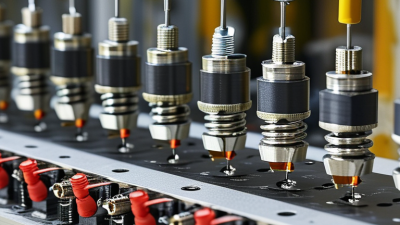
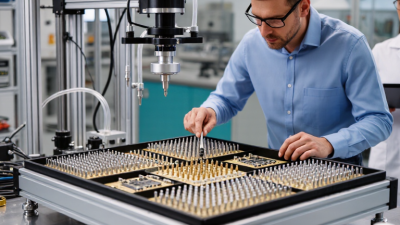
A PCB test fixture holds a circuit board steady while electrical checks are performed. It connects selected test points to a tester through spring-loaded pins, often called pogo pins. The fixture helps inspect continuity, shorts, and basic component connections without probing each point by hand. Small details matter. Pin placement must match the board’s test pads, and the board must sit flat against its supports.
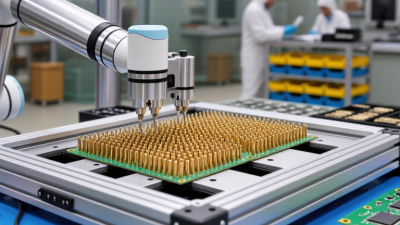
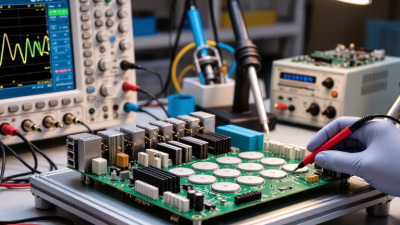
During inspection, an operator loads the PCB, closes the fixture, and starts the test. A well-aligned fixture applies even pressure, reducing missed contacts and inconsistent readings across repeated boards. This is useful on production lines, where manual probing can be slow and difficult to reproduce. Yet a fixture does not judge every defect. It may not reveal cosmetic damage, subtle solder issues, or faults outside the test program.
Good fixture design begins with clear test requirements and accurate board data. Engineers consider pad size, board thickness, pin travel, and how quickly operators can load the unit. Dust on a pin or a worn contact can cause a false failure. That happens. Regular cleaning and contact checks help keep results dependable, though maintenance is sometimes overlooked. A fixture supports inspection; it does not replace sound test coverage or careful review of unusual readings.
Main Types of PCB Test Fixtures Used in Electronics Manufacturing
Main Types of PCB Test Fixtures Used in Electronics Manufacturing
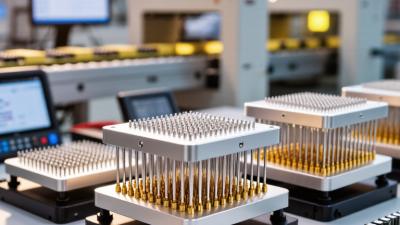
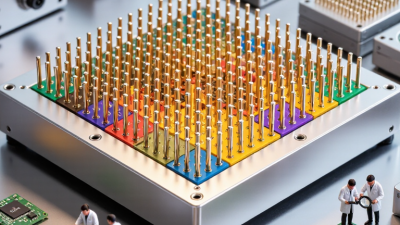
PCB test fixtures connect a board’s test points to measurement equipment, making repeatable checks possible during production. The common bed-of-nails fixture uses spring-loaded pins pressed against exposed pads. It suits high-volume in-circuit testing, where quick checks can identify opens, shorts, and misplaced components. Pin alignment matters. A small shift can create false failures, especially on dense boards.
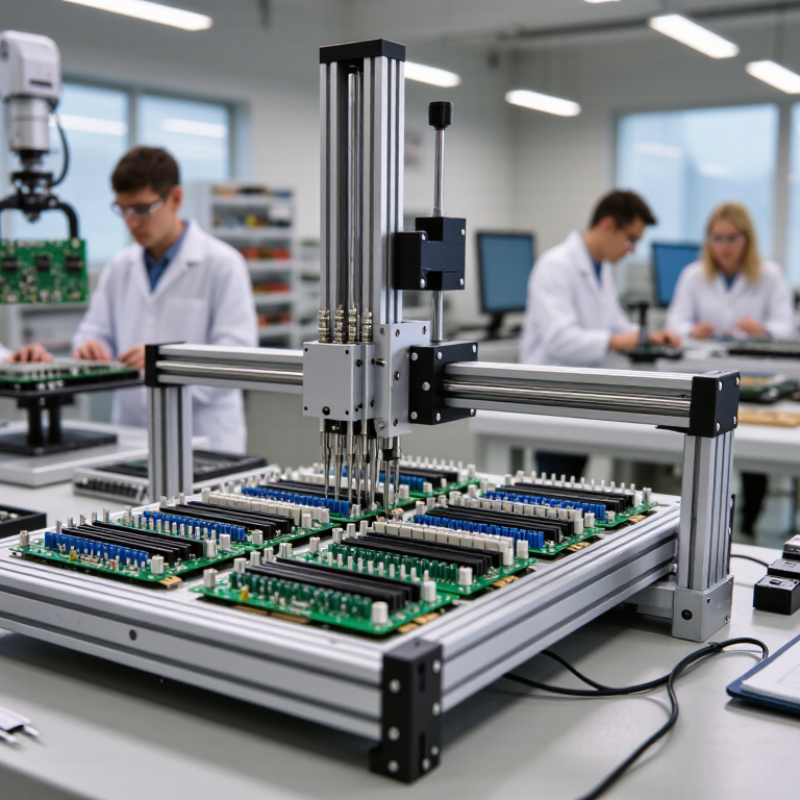
Flying-probe testing uses movable probes rather than a custom pin bed. It needs less dedicated tooling and works well for prototypes or changing product mixes, though test time can be longer. Functional test fixtures power a completed board and check its real operating behavior through cables, connectors, and controlled inputs. Boundary-scan testing can complement physical probing on boards with compatible digital devices. It is useful when access to every test point is limited.
The scale makes fixture quality significant: Grand View Research estimated the global PCB market at USD 76.2 billion in 2023. That figure describes boards, not test fixtures, but it signals the breadth of manufacturing where testing choices matter. In practice, engineers balance coverage, setup cost, contact wear, and expected production volume. A fixture can pass a board today and still become unreliable as probes wear. That part is easy to underestimate.
Main Types of PCB Test Fixtures Used in Electronics Manufacturing
Typical test scope varies by fixture design, board layout, and test strategy. The relative ratings below are illustrative, not standardized performance measurements.
Bed-of-nails fixtures use multiple spring-loaded probes for in-circuit access. Flying-probe systems move probes between test points and generally avoid a dedicated board-specific fixture. Dedicated functional fixtures connect a board to external equipment to verify operation; boundary-scan fixtures use compatible devices and test access ports to check interconnects.
How PCB Test Fixtures Are Designed and Manufactured
How PCB Test Fixtures Are Designed and Manufactured
A reliable PCB test fixture begins with the board’s test plan. Engineers review its dimensions, component locations, test points, and expected electrical checks. They then choose a fixture style, such as a bed-of-nails setup with spring-loaded probes. Probe placement must avoid delicate components and maintain steady contact. Small alignment errors matter. A few tenths of a millimeter can cause inconsistent readings.
The fixture body is typically machined from insulating material, while a custom plate holds the board in position. Designers may add guide pins, clamps, and a pneumatic or manual closing mechanism. Before production, they check probe travel, clearance, and wiring paths in the design. A prototype is useful. It can reveal awkward loading or a probe that misses its target. Not every issue appears on a screen.
Tips: Share accurate PCB files and test requirements early. Ask for a sample fixture and verify repeatability across several board insertions. Record any contact failures; they may point to alignment or probe wear.
After assembly, technicians inspect connections and run known-good boards through the fixture. They compare results with expected values and adjust probe height or positioning when needed. Documentation should include wiring details, maintenance intervals, and replaceable parts. In practice, board revisions can make a once-accurate fixture less dependable, so updates deserve careful review.
How to Select and Work With a PCB Test Fixture Manufacturer in China
Selecting a PCB test fixture manufacturer in China starts with the test requirement, not the quotation. Share board drawings, test points, expected volume, connector details, and pass/fail limits. Ask how the supplier will control probe alignment and contact resistance. A useful quotation should identify fixture materials, wiring, software scope, lead time, and revision control. Vague answers are a warning. The global PCB market was valued at USD 76.6 billion in 2023, according to Grand View Research, which forecasts 5.6% annual growth from 2024 to 2030. That scale makes supplier capability checks important, but market growth does not prove a particular factory’s quality.
Before placing a full order, request a design review and a pilot fixture for a representative board. Check whether the supplier can provide a wiring list, inspection records, and repeatable test results across multiple cycles. Test the fixture with your own boards, including a known-good sample and a controlled fault where practical. Keep one approved sample and document changes; small connector or board revisions can cause costly mismatches. Not glamorous, but useful. Agree on acceptance criteria, corrective-action timing, spare probes, and remote support before production. Video calls help, yet they do not replace clear drawings and written sign-off. I would still allow extra time for one revision; schedules often look better on paper.